3 months ago
28
3 months ago
28
Debts owed by Melbourne chef Scott Pickett’s restaurant empire to a collapsed superannuation fund have blown out to more than $18 million, as he readies to bring in a new backer for four venues.
A fuller picture of the borrowings from the First Guardian superannuation fund by Pickett’s Rogue Traders business has emerged ahead of a key meeting this week, when more details of the mystery partner could be revealed.
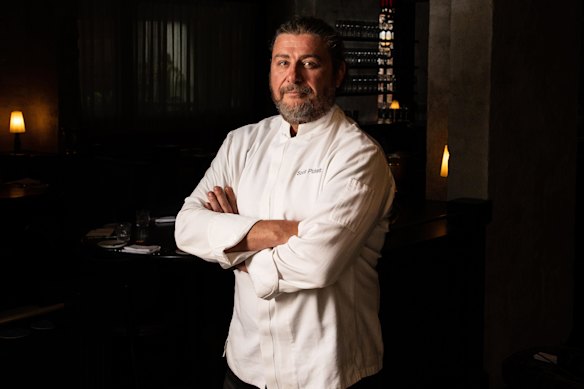
Hotshot chef Scott Pickett is working to bring in a new financial backer to four of his restaurants following the collapse of a superannuation fund. Credit: courtesy of Scott Pickett Group
Pickett appointed administrators to Rogue Traders in late September to assist with restructuring the business, which is majority owned by the now collapsed First Guardian superannuation fund.
Rogue Traders owns four of Pickett’s noted restaurants – Matilda 159, Smith St Bistrot, Longrain and Chancery Lane. All the venues are open for trade and remain hugely popular.
Pickett’s flagship restaurant, Estelle, in Northcote is not owned by Rogue Traders.
Loading
The First Guardian fund managed $500 million in superannuation investments on behalf of just under 6000 Australians.
The fund collapsed in April amid the corporate watchdog’s investigation into its management by the fund’s manager and Pickett’s business partner, David Anderson.
The Australian Securities and Investments Commission alleges First Guardian improperly invested people’s superannuation into various pet projects of Anderson’s, including a boutique brewery, fine-dining restaurants in Richmond, and Pickett’s businesses, and made large payments to people promoting the fund to new clients.
It was previously thought that Pickett’s business had only borrowed $12 million from the fund. Most of the money has never been repaid after First Guardian’s manager and Anderson waived the payments.
Anderson, who has denied any wrongdoing and has long claimed ASIC does not understand his business model, resigned as a director of Rogue Traders in February this year.
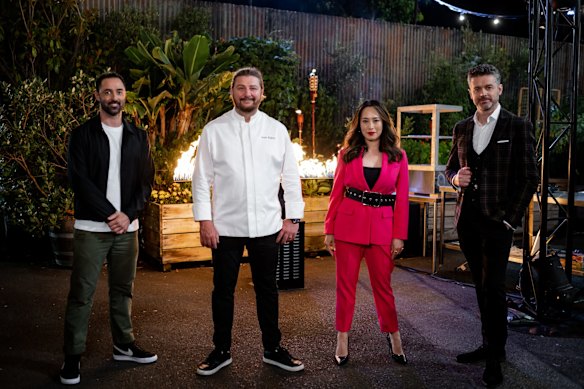
Celebrity chef Scott Pickett (second from left) has regularly appeared on TV cooking shows including MasterChef. Credit: Channel 10
A new report from liquidators to the First Guardian Master Fund released this month reveals Rogue Traders appears to have received $17.63 million from the fund to acquire real estate and to build Pickett’s restaurant group. The tracing shows the money was received between June 2020 and August 2024.
Another Pickett business, a catering enterprise, borrowed $530,000 from the fund, according to the report.
Pickett went on a buying spree during 2020 and 2021, while most of Melbourne’s restaurateurs struggled with COVID-19 restrictions and rolling lockdowns.
Loading
In mid-2020, Pickett picked up the shuttered Longrain and its upstairs bar Longsong, as well as the site off Little Collins Street that he opened later that year as Chancery Lane, a plush bistro fitted out with green marble, chandeliers and stone archways.
In 2021, he opened several venues at The Continental Sorrento, including fine-diner Audrey’s. In February 2022, he unveiled Smith St Bistrot, featuring red leather booths, marble-topped tables and a mezzanine reached via wrought-iron spiral stairs.
According to the liquidators to the First Guardian fund, some of the money advanced to Rogue Traders was also used to help purchase two properties – an apartment in Fitzroy and the Little Collins Street venue for Chancery Lane.
Both of those properties are in the process of being sold by receivers appointed by Commonwealth Bank, which had loaned Rogue Traders $10 million before its collapse.
Pickett has been left scrambling for a new business partner after First Guardian collapsed, but has continued to trade his popular eateries.
A spokesperson for the noted chef confirmed the business would soon announce a new partner.
“We continue to work with a potential strategic partner with the goal of ensuring the long-term future of our business,” the spokesperson said.
“Whilst this process continues, our restaurants remain full, all bookings have been fulfilled, all gift vouchers have been honoured and we continue to plan events with our customers on their needs for 2026 and beyond.
“Our key priorities are to our loyal customers, our staff and our suppliers. All restaurants continue to trade, all staff entitlements are up to date, and we remain an integral part of Melbourne’s vibrant and exciting dining scene.”
“Whilst this process continues, our restaurants remain full, all bookings have been fulfilled, all gift vouchers have been honoured and we continue to plan events with our customers on their needs for 2026 and beyond.”
Spokesperson for Scott Pickett’s Rogue Traders GroupRogue Traders’ new partner will act more like a backer than a co-owner or manager of the business, according to a source familiar with the discussions not permitted to speak publicly.
The new partner will also have capacity to assist Rogue Traders in its financial management and also participate in new ventures by Pickett in the future.
Administrators to Rogue Traders said in a new report in December that the funding arrangement for Pickett’s business that was being brokered would not clear out CBA’s debt, which is around $12 million, and there would be little left for other creditors including First Guardian.
Administrators have previously revealed that the Pickett venues owned by Rogue Traders owed large sums of cash to their parent entity and the books had not been properly done since 2022.
At the time of the administration, Matilda on Domain Road in South Yarra owed Rogue Traders $5.6 million, and Chancery Lane in the CBD owed $5.8 million.
Collingwood fine-diner Smith St Bistrot was also due to pay $3.7 million, while hotspot Longrain owes $2.1 million, and his food preparation business owes a further $1.8 million.
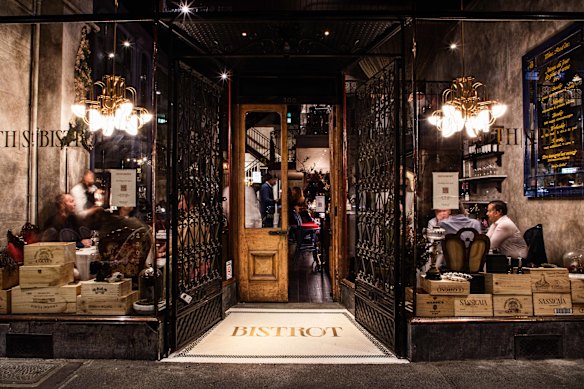
Smith St Bistrot in Collingwood is one of Pickett’s popular eateries owned by his Rogue Traders Group.Credit: Alex Squadrito
Despite First Guardian being owed massive amounts, liquidators to the collapsed superannuation fund have warned that any recoveries will be minimal.
Liquidators to First Guardian revealed in their report that another Pickett business that received money from the fund – Pickett Commercial – appointed liquidators in November after receiving a statutory demand from the First Guardian fund in September.
The report noted that liquidators had “received no substantive engagement nor payment of accrued but unpaid interest” in response to their inquiries.
The Business Briefing newsletter delivers major stories, exclusive coverage and expert opinion. Sign up to get it every weekday morning.
Most Viewed in National
Loading