3 months ago
48
3 months ago
48

MUSIC
WOMADelaide
Botanic Park, Adelaide
March 6 to 9
As a festival designed to celebrate music, arts and culture from around the world, each edition of WOMADelaide is invariably affected – and to some extent shaped – by events unfolding within that world.
This year’s meticulously crafted program was thrown into chaos less than a week before the event, with 120 artists affected by flight disruptions due to the conflict in the Middle East. Despite the heroic rescheduling efforts of WOMAD’s travel team, several international acts were unable to make it. Palestinian DJ Sama’Abdulhadi was also forced to cancel her appearance, having not received approval for her Australian visa in time for her scheduled performance.
But once the gates opened on Friday evening and patrons streamed into Adelaide’s lush Botanic Park, there was a collective willingness to slough off the burdens of the world outside and – just for a few days – revel in this sanctuary of shared discovery and belonging.
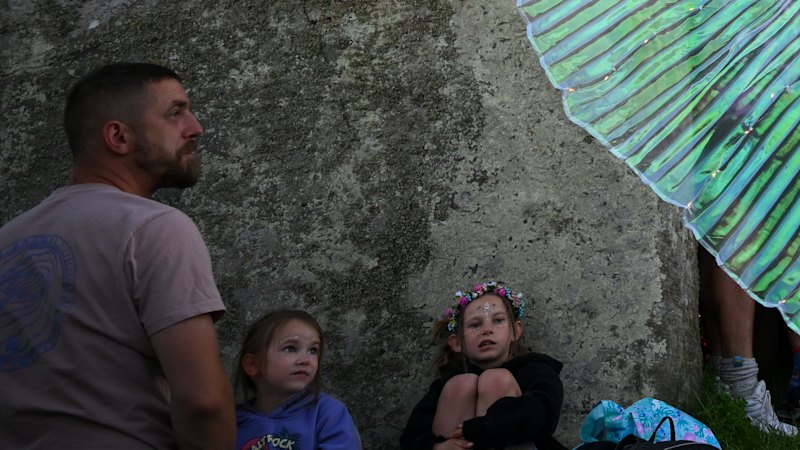
Iron and Wine (aka US troubadour Sam Beam) was one of the first to welcome us from the stage, his hushed vocals and acoustic guitar floating out into the warm evening air as the last rays of sun disappeared behind the trees. Around me, couples swayed, friends embraced, a mother cradled a sleeping toddler in her arms. I could feel my shoulders relaxing and my breath slowing as my feet sank into the grass. Ah, it felt good to be back in WOMAD’s embrace.
Meanwhile, pianist Roberto Fonseca was transforming another corner of the park into a vibrant Cuban dance hall, his six-piece band sounding as luxurious as an orchestra as they conjured elegant cha-chas and irresistible mambos, shot through with flashes of contemporary jazz animated by Fonseca’s dazzling piano work, crisp horns and lively percussion.
Italian icon Jovanotti was also in an ebullient mood, his gold lamé shirt glittering as he bounced back and forth across the stage performing songs from his decades-long career, encompassing pop, rock, rap and disco. The Italians in the audience sang along with gusto, and Jovanotti switched to English for an exuberant calypso version of Down Under.
The rest of the festival unfolded in a similarly immersive fashion, with music to match whatever mood you were in. For quiet enchantment, few could rival the spell cast by Ganavya. Equipped with a voice that sounds like a caress, the South Indian-raised singer turned every melismatic phrase into a prayer of gratitude or yearning, accompanied by a double bass to earth the melodies and a harp to sweep them skywards.
Swedish a cappella folk group Åkervinda were equally bewitching, looking like Scandinavian forest fairies as their ethereal voices intertwined with effortless grace. Daughters of Donbas also radiated tenderness and lyricism – though the beauty of their songs was leavened by the heartrending stories told by singer/activist Marichka, exposing the ongoing suffering of children abducted from occupied Ukraine.
Social commentary in a more groove-laden, dance-friendly context came in many forms: the magisterial power of Mali’s Oumou Sangari; the irresistible urban swagger of Arrested Development; and the visceral emotive power of Yothu Yindi, whose iconic anthem Treaty felt as potent (and pointed) as it did 35 years ago – especially here, with our feet touching Kaurna land, absorbing the energy of Yolngu culture and rhythms.
There was a similar feeling of connection and community when Marlon Williams performed alongside kapa haka group Ngā Mātai Pūrua. Singing mostly in Maori, Williams’ wondrously clear voice – sweetly melancholic and occasionally flecked with grit – was filled with emotion in one of his final shows before taking an extended hiatus from touring.
And then there was Grace Jones, whose unforgettable show was an enthralling blend of spectacle, musical sophistication and risque provocation. On stage, she was regal, haughty and imposing in a procession of fantastical outfits to mirror her richly resonant vocals. Off stage between songs, her chaotic commentary was hilariously unfiltered (“It’s dark back here; I can’t see shit”, or, “I need to pee; someone bring me a champagne bucket”.)
Then she was back on stage: lying upside down, her legs straddling a giant throne as her pelvis thrusted suggestively; climbing onto a security guard’s shoulders to be paraded and adored in front of the stage; and finally, singing Slave to the Rhythm with a shimmering hula-hoop whirling around her leotard-clad hips. We were slaves to the rhythm too, intoxicated by this unruly and magnificent queen of the night.
Reviewed by Jessica Nicholas
The Booklist is a weekly newsletter for book lovers from Jason Steger. Get it delivered every Friday.