3 months ago
26
3 months ago
26
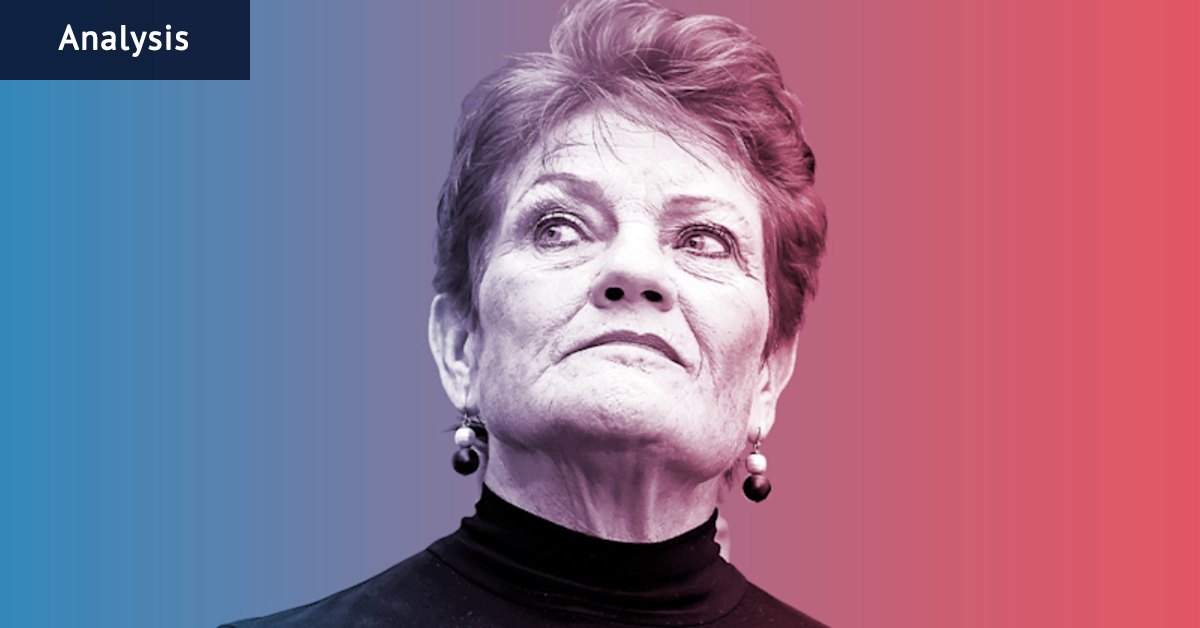
One leader has handled the Bondi attack aftermath well. It’s not Anthony Albanese or Sussan Ley
The partisanship that has dominated federal politics since the terror attack at Bondi Beach has not created any winners.
Not Prime Minister Anthony Albanese, not Opposition Leader Sussan Ley. Certainly not among the Australian people, who are the ones losing out.
This week’s Resolve Political Monitor delivers a clear finding: Australians are concerned about racism and torn over social cohesion. A clear majority, 72 per cent, see more racism and intolerance in Australia than they did two years ago. More than half point to antisemitism as the cause.

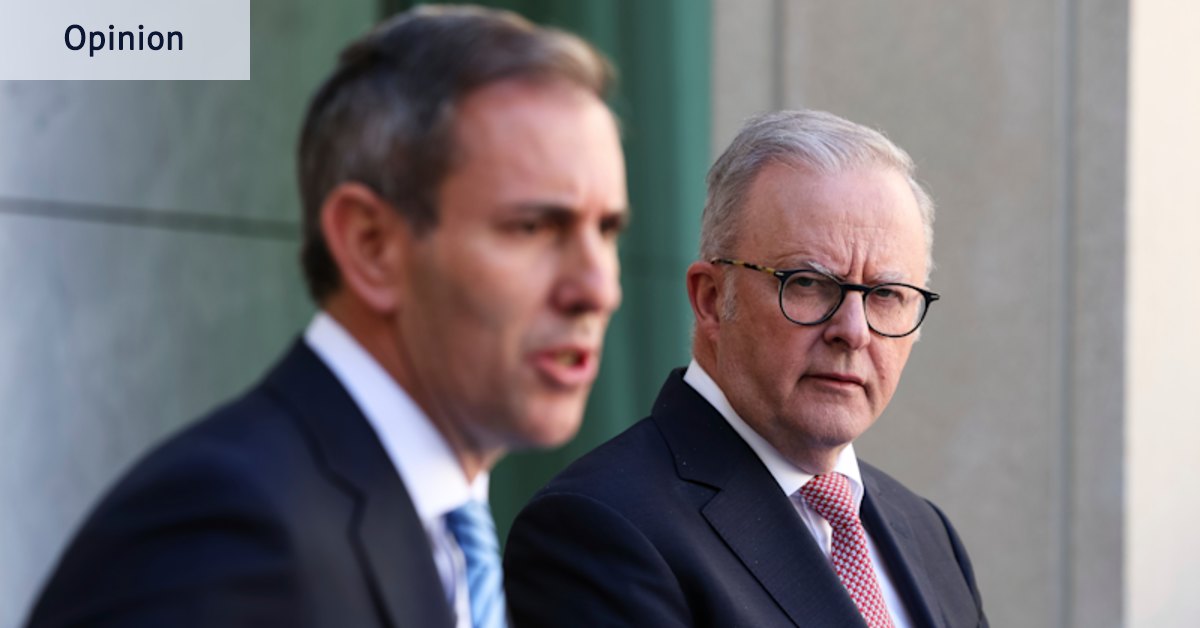
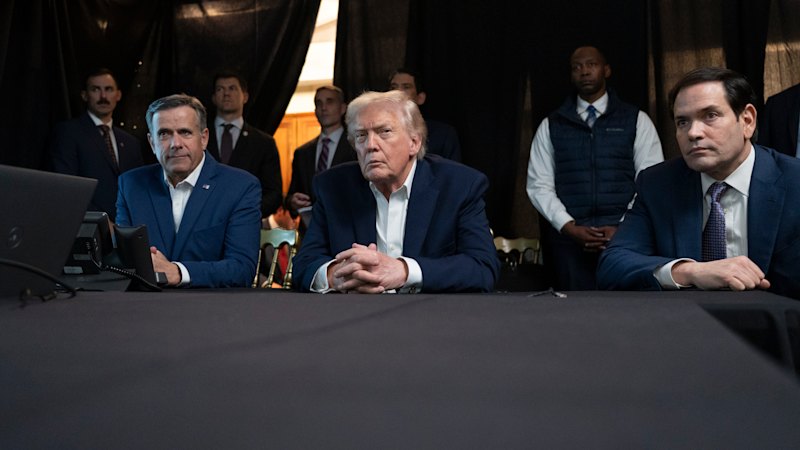
Personal approval ratings for Opposition Leader Sussan Ley and Prime Minister Anthony Albanese (right) fell, but support rose for NSW Premier Chris Minns. Credit: Aresna Villanueva
They expect strong action, and they have not seen that from the federal government. They also expect strong leadership, and they have not seen that anywhere in the federal political sphere.
Albanese has been the subject of vociferous criticism – from the Jewish community, former Liberal leaders, the federal opposition and parts of the media – for his handling of antisemitism in the two years before the December 14 targeted attack on Jewish Australians, and in the days since. His response has been interrogated at length, including in this masthead.
Some of this commentary has been extraordinarily personal. The polling does not indicate that voters share the opinions of John Howard or Josh Frydenberg, who have leapt in front of cameras to single out Albanese for blame. But many Australians agree with the broad sentiment: 46 per cent think the Albanese government has delivered a weak response to the Bondi terror attack, compared with 29 per cent who think it’s been strong.
This has rubbed off on Albanese’s personal approval ratings, which have taken a 15-point tumble. (The survey period also takes in two weeks of furore around politicians’ expenses, where the prime minister was also found lacking.)
The findings vindicate the substance of the Coalition’s criticism, but they do not vindicate its leadership. There’s a message in this for Ley, too.
Australians may agree when Ley says the government’s response has felt inadequate in the face of such horror, but this has not translated into personal support. Quite the opposite. Ley’s approval ratings have also fallen, by 7 points.
The opposition leader has been usurped in the news headlines by the likes of Howard and Frydenberg, who came out swinging against the government harder than she did. But Ley is also widening the divides that have emerged since the Bondi attack, breaking from the bipartisanship that has followed moments of tragedy in years past.
Loading
She has accused Albanese of personal failure. She has pointedly questioned his whereabouts at Bondi and at the funerals of shooting victims, when she knows well that his presence, particularly at funerals, would jar with the wishes of families mourning their loved ones.
Ley has made repeated visits to the Bondi Pavilion. These have been met with some rapture; she is feeling deeply for Australia’s Jewish community and reflecting real anger. Still, remarks she delivered at the memorial on Wednesday, declaring what she would do “if I am prime minister”, had echoes of a stump speech.
The Coalition’s early positioning on gun control is also questionable. On Friday, Ley said she supported a “sensible and proportionate examination” of gun laws, but reserved support for the government’s buy-back scheme and said she needed more detail. This is despite gun control being one of Australia’s boldest bipartisan reforms, one which has shaped the country and still carries strong public support.
Loading
If Ley is thinking of making this another point of political division, rather than a chance to unite around action on well-founded public fear, she should think again.
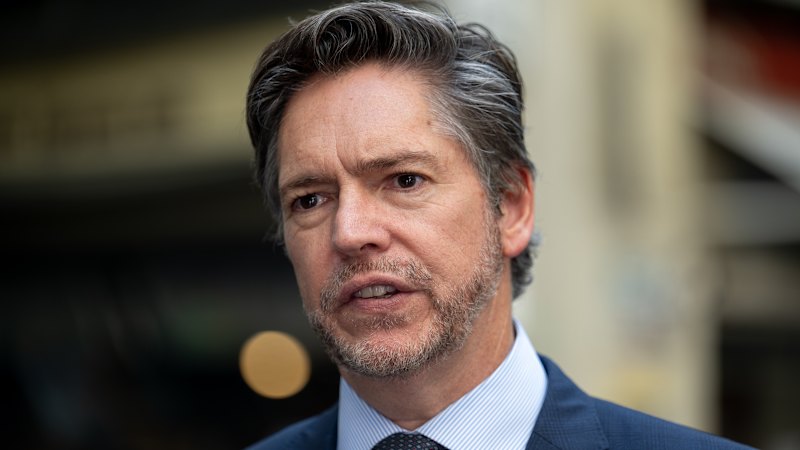
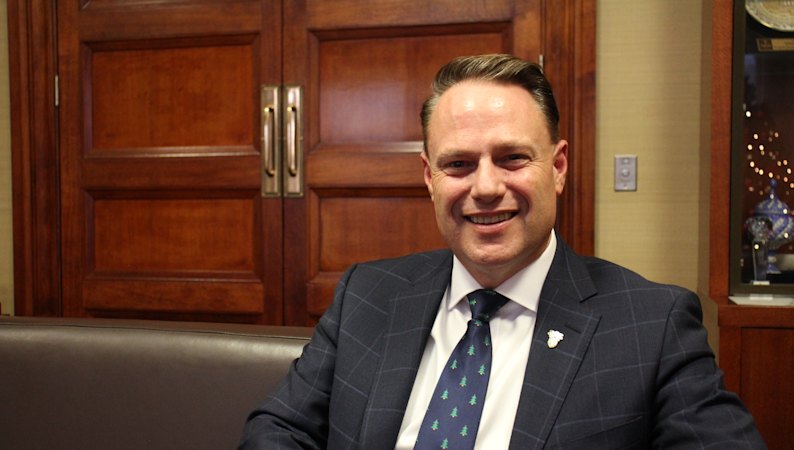
Contrast all of this with NSW Premier Chris Minns, whose popularity has jumped 8 points since the last time voters were asked, to +22.
The premier has been recognised for his decisiveness on gun control and steadfast condemnation of antisemitism over the past two years. At Central Synagogue on Thursday night, he accepted his “deep responsibility” for any failures that preceded what happened in Bondi. It’s a cue for Albanese, whose more cautious approach to complex social issues has been found wanting in a time of crisis.
Neither Albanese nor Ley find themselves in the disastrous predicament of having plummeted to record lows in public opinion. Their ratings sit roughly on par with lows at other points since the election.
But it is clear feedback that not much will be won from dithering on decisions, nor in wrecking bipartisanship to score political points in the aftermath of a tragedy.
Australians are in shock, and they aren’t feeling good about the country’s social fabric. The country wants strong leadership that rises above the political fray – that should be both leaders’ priority.
Cut through the noise of federal politics with news, views and expert analysis. Subscribers can sign up to our weekly Inside Politics newsletter.
Most Viewed in Politics
Loading