2 months ago
21
2 months ago
21
“Australia’s productivity growth has stalled since 2016. We need to get productivity moving to ensure future generations can live better and more prosperous lives than those that came before them,” she said.
“No single policy reform can bring productivity growth back to its long-term average – governments will have to make a lot of pro-productivity decisions that support and reinforce each other.”
One of the criticisms of the commission’s original cashflow tax proposal was that it would lift tax rates on large firms.
It now estimates a “small number” of firms would end up paying more tax, almost all that invest little and enjoy high profits. It estimates the top tax rate for any large firm would be between 26.7 per cent and 31.6 per cent.
The Alliance of Industry Associations, which includes organisations such as the Business Council, said the commission’s proposal would result in higher prices for households and reduce investment. It called on the government to ignore the idea.
“A cashflow tax would act as a tax on every business, increasing costs and worsening the cost-of-living burden on every Australian by increasing the price of groceries, fuel, essential services and other everyday goods,” it said.
In another change from its initial reports, the commission has recommended the federal government set a clear agenda to overhaul the nation’s labyrinthine network of regulation and red tape.
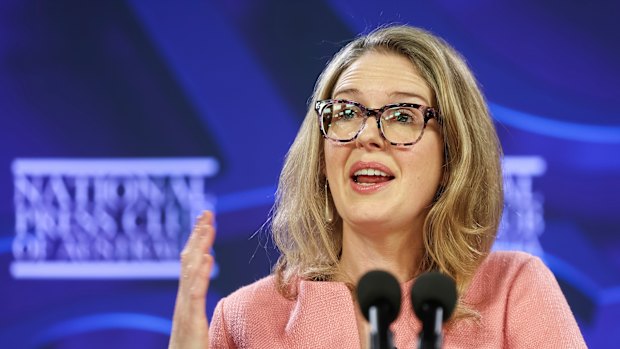
Productivity Commission chair Danielle Wood says tax changes and cuts in red tape are necessary to help the economy grow faster.Credit: Alex Ellinghausen
It said the government should set a target of cutting compliance and delay costs caused by regulation by $10 billion by the end of the decade. Part of that would include an annual review of regulation.
The public service is also targeted, with the commission arguing the government needs to make clear to bureaucrats they should “deliver growth, competition and innovation” rather than simply focus on new rules.
State regulations also come in for criticism. The commission says occupational regulations are too onerous in many industries, arguing the NSW, Western Australia and ACT governments should overhaul rules around motor mechanics and that NSW and South Australia should ease rules for hairdressers.
Loading
“Both taxation and regulation are essential, but over-taxation and over-regulation make us poorer,” the commission found.
“By ignoring the negative impacts that tax and regulatory policy can have on growth, governments
have made it harder and more costly than it should be to start and operate a business, to build housing and renewable energy infrastructure.”
The commission’s reports cover a range of issues, including teaching standards, health funding agreements between the states and federal governments, and the care economy.
It also recommended politically contentious changes to environmental regulation.
The safeguard mechanism imposes limits on the top 200 emitting facilities in the country, such as factories, smelters, LNG plants and some mines. The current threshold is 100,000 tonnes of greenhouse gases a year.
But the commission says the threshold to include emitting facilities should be lowered in a move that would expose more businesses. It argues a 25,000-tonne threshold “would be reasonable”.
It also recommended the government phase out fuel tax credits for heavy vehicles that travel on public roads. Fuel tax credits, which cover both public and private roads, cost the budget about $10 billion a year.
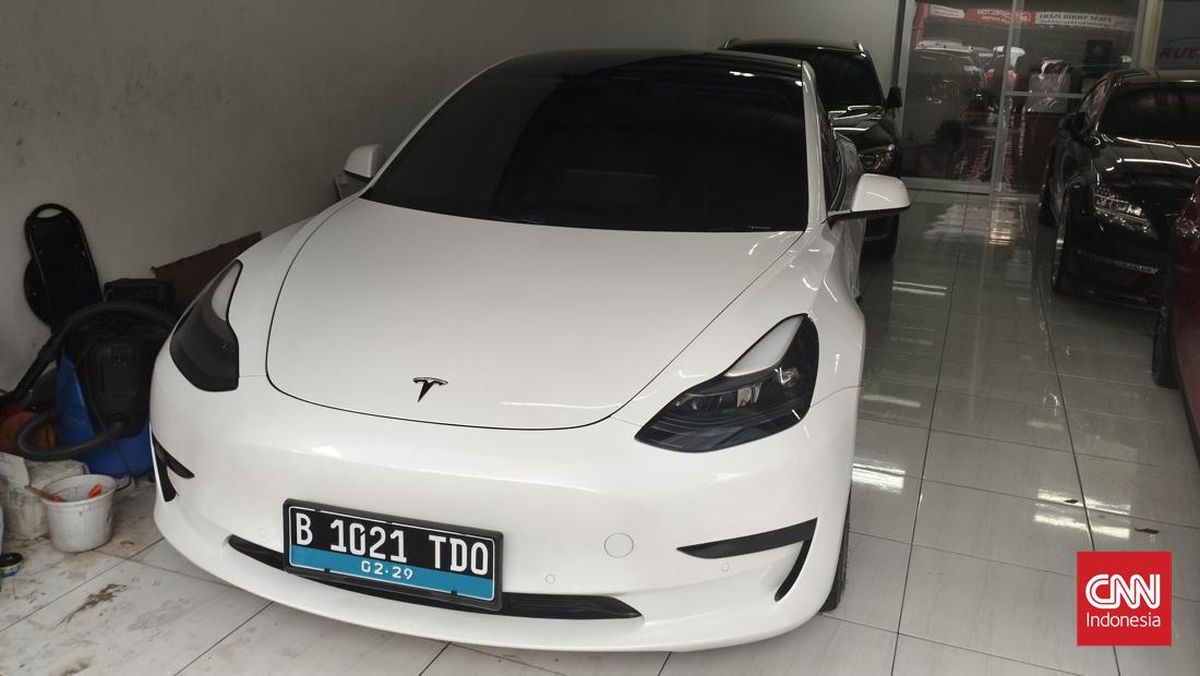
It urged the government to axe its fringe benefit exemption for electric vehicles and called on the states and territories to end their stamp duty and registration discounts on EVs.
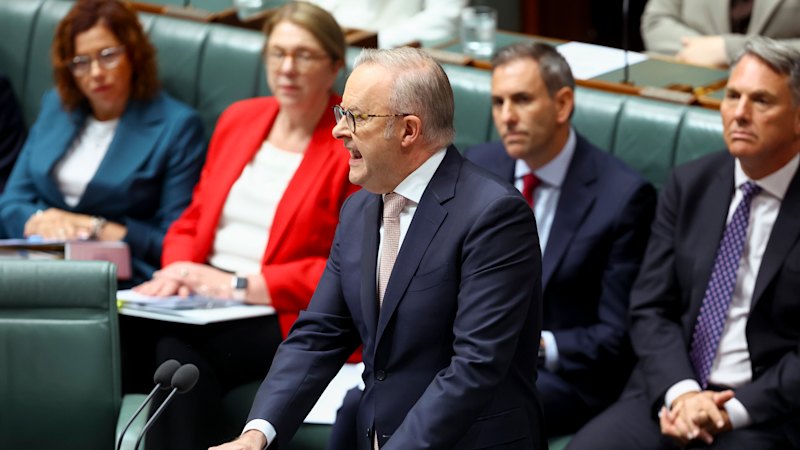
Treasurer Jim Chalmers, who has signalled the May budget will contain key reform measures, said the government would consider the commission’s proposals.
“We might not be able to run with everything, but we will consider all of it and see what we can progress,” he said.
Cut through the noise of federal politics with news, views and expert analysis. Subscribers can sign up to our weekly Inside Politics newsletter.