3 months ago
28
3 months ago
28
Big rise in private health insurance premiums flagged as costs soar
We’re sorry, this feature is currently unavailable. We’re working to restore it. Please try again later.
Australia’s 15 million private health insurance customers are facing a premium hike of more than 4 per cent next year as rising costs, and a struggling private hospital sector, are expected to force the federal government to approve the largest hike in premiums since 2017.
Health Minister Mark Butler approved an average 3.7 per cent rise for April 1 this year. It was the first premium increase to exceed 3 per cent since 2020.
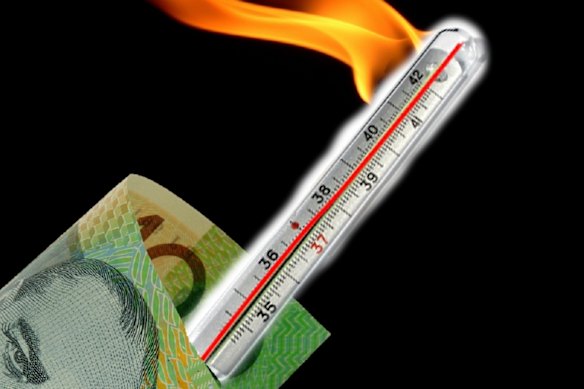
Average private health insurance premiums are expected to rise by more than 4 per cent for the first time since 2017. Credit: Fairfax Media
But in September – as negotiations for the 2026 premium increase began – Butler flagged that more financial support is needed for the private hospital sector, which experienced the collapse of its second-largest operator, Healthscope.
“More strenuous efforts by insurers are needed to support the long-term viability of this essential part of our health system, including more equitable funding outcomes for the wide range of private healthcare providers,” Butler said in his statement of ministerial expectations.
Despite the public’s embrace of private health insurance since the pandemic – more than 55 per cent of the population is now covered – and declining use of hospital cover keeping a lid on claims, a significant increase in premiums would be needed to sustain industry margins, industry analysts say.
“Despite reducing claims coverage, claims inflation per person is stabilising at 3.6 per cent per person, suggesting weighted average industry [April 1, 2026] price rises need to edge higher to 4.7 per cent [UBS forecast is for 4.4 per cent] to sustain industry margins,” UBS analyst Kieren Chidgey, said.
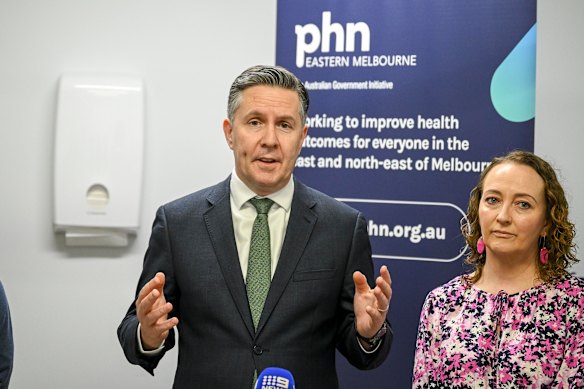
Health Minister Mark Butler has emphasised the need for private health insurers to financially support the private hospital sector. Credit: Eddie Jim
Chidgey said that while ASX-listed insurers, Medibank and NIB account for half of the industry’s underwriting profit, the prudential regulator is mindful of the entire sector remaining profitable – including not-for-profit operators on margins of just 1.7 per cent.
Citi analyst Nigel Pittaway said: “We would be surprised if approved rate increases do not exceed CPI.”
Another significant issue for the sector is consumers downgrading from gold-tier cover or choosing exclusions, which leaves the most expensive and complex procedures concentrated among a smaller group of members.
A significant premium hike is expected to reignite affordability concerns and exacerbate this issue. In 2021 the Australian Competition and Consumer Commission (ACCC) reported that average premium increases over the five years to June 2021 were more than double inflation.
Loading
But one of the most significant issues Butler is hoping to address is private health insurers continuing to deliver a smaller proportion of their premium revenue to private hospitals, which provide the vast majority of Australia’s elective surgery.
“The proportion of hospital treatment premium revenue paid out as benefits by insurers (hospital benefits ratio) dropped from pre-pandemic levels of around 90 per cent to a low of 83 per cent in 2022-23,” he said in the ministerial statement. Private health insurers’ contributions this year were also short of the expected 87 per cent.
It is one of the reasons why private hospital costs have risen faster than revenue in recent years and investment in the sector has suffered, Butler noted.
Private hospitals have also faced higher wage costs. Nurses in NSW are seeking a 35 per cent pay rise over three years.
But both NIB and Medibank point to structural issues that have impacted private hospital operators.
Private health insurers say they have kept customers happier – and costs lower – by allowing a lot more at-home treatment for services that previously required a lengthy hospital visit. That means lucrative multi-day admissions to private hospitals have dropped over the past five years, while costs have soared for private hospital operators following the pandemic. Private health insurers argue they should not have to cover for this over-investment.
Medibank chief executive David Koczkar told investors of the group’s efforts to invest in customer health to prevent the need for these costly procedures in private hospitals.
“As one of Australia’s largest health companies, we recognise prevention is key to improving outcomes and reducing costs over time,” he said. “It’s why our investment in prevention accounts for nearly half the industry’s total spend.”
Butler is expected to announce the finalised health insurance premiums in late January.
The Business Briefing newsletter delivers major stories, exclusive coverage and expert opinion. Sign up to get it every weekday morning.
Most Viewed in Business
Loading