2 months ago
17
2 months ago
17
Editorial
December 19, 2025 — 5.14pm
December 19, 2025 — 5.14pm
In the fraught days after the Bondi Beach shootings came promises of gun law reform and a gun buyback, legislation to crack down on antisemitism and impose limits on public assembly and protest marches and the application of the blowtorch to the Prime Minister Anthony Albanese, but somehow the role of Australia’s security authority slipped below the radar.
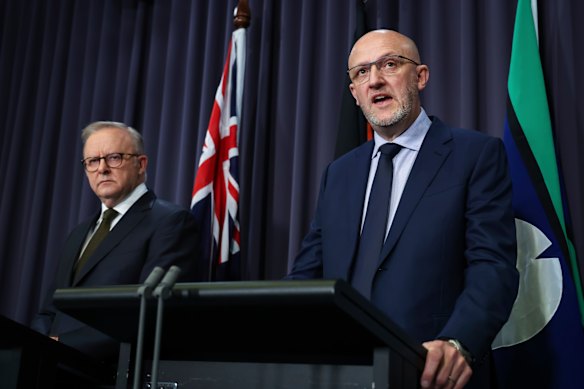
Prime Minister Anthony Albanese and ASIO director general Mike Burgess.Credit: Alex Ellinghausen
On Monday were learned that the man subsequently charged with 15 counts of murder, Naveed Akram, had been investigated by the Australian Security Intelligence Organisation six years ago, but no action was taken. His dead accomplice, his father Sajid Akram, had applied to own guns years before and was issued a category AB firearm licence in 2023 that allowed him to possess six guns.
Ensuing information revealed Akram as a teenage street proselytiser who followed a notorious Sydney jihadist preacher Wisam Haddada with connections to self-declared Islamic State group commander Isaac El Matari and convicted IS youth recruiter Youssef Uweinat. Not only that, Akram flew to the Philippines and back without popping up on ASIO’s radar.
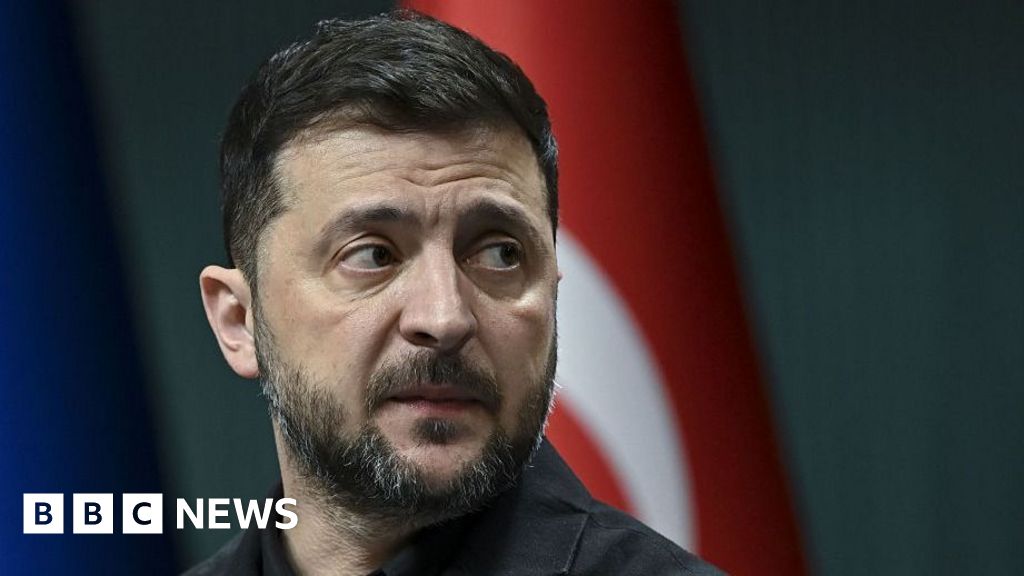
On Sunday, as authorities scurried to piece together the massacre, ASIO director-general Mike Burgess said one of the attackers was known to his organisation before the shooting “but not in an immediate threat perspective”.
“We’re looking to see if there’s anyone in the community that has similar intent. It’s important to stress at this point, we have no indications to that fact, but that is something we have active investigations on,” he said.
Of course, ASIO’s books would be crowded with Sydney persons of interests from the time of the Lindt Cafe siege in 2014 and radicalised young men who went to fight with or join the ISIS caliphate more than a decade ago. The younger Akram was interviewed by ASIO as the last holdout in Syria was overrun in 2019. But authorities seem to be racing to piece together the activities of the two Akrams between that date and last Sunday.
Surely, the Hamas raids on Israel in October 2023 and the tensions that flowed from those atrocities here should have triggered ASIO into taking another look at people of interest on their books.
Yet on the evidence so far, ASIO seems to have been playing catchup since failing to join the dots on the Akrams.
Burgess offered no explanation but said in a roundabout way there was a 50 per cent chance of an act of terror in the next year.
Burgess is the highest profile spy chief in Australian history whose regular dramatic warnings attract attention and hard cash. For decades, crisis has underwritten ASIO’s need for more powers and more money to confront terrorism, espionage and cyberattacks. In 2024-25, ASIO’s budget topped a record $1.1 billion. Yet, the agency was unable to link a registered cache of six guns to known terrorism.
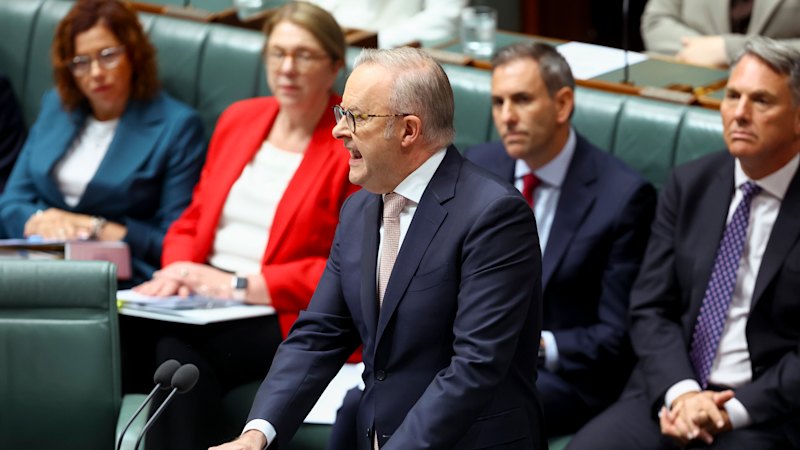
Albanese has conceded that ASIO and other agencies missed something between 2019 and the Sunday’s Bondi Beach massacre and foreshadowed reforms to ensure federal and state agencies – intelligence, security agencies and police – interact better with each other.
Politicians repeatedly admitted this week that the first responsibility of government was to protect citizens. This should be the first responsibility of our spy agency.
Get a weekly wrap of views that will challenge, champion and inform your own. Sign up for our Opinion newsletter.
Most Viewed in Politics
Loading