3 months ago
24
3 months ago
24
Albanese’s approval rating plummets as social cohesion frays, Australians fear a rise in antisemitism: poll
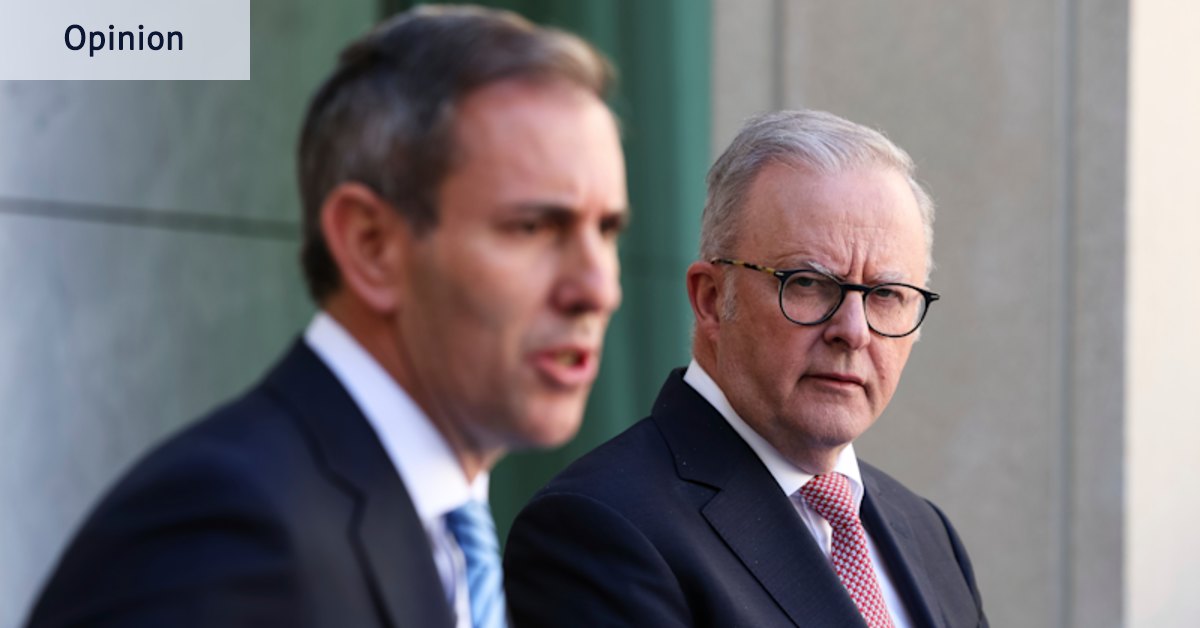
Prime Minister Anthony Albanese’s approval rating has fallen in the aftermath of a government expenses scandal and the Bondi terror attack, as social cohesion frays and a clear majority of Australians feel there has been a rise in racism, particularly antisemitism, in the past two years.
Almost half of voters say they have been unsatisfied by the federal government’s response to the Bondi shooting, but their opinions of Opposition Leader Sussan Ley have also declined as she mounted a political attack against Albanese over his handling of the crisis.
The findings from the Resolve Political Monitor, conducted for this masthead, underscore the challenge for political leaders in uniting the country while delivering a strong enough response that speaks to community anxiety about the horrors of December 14.
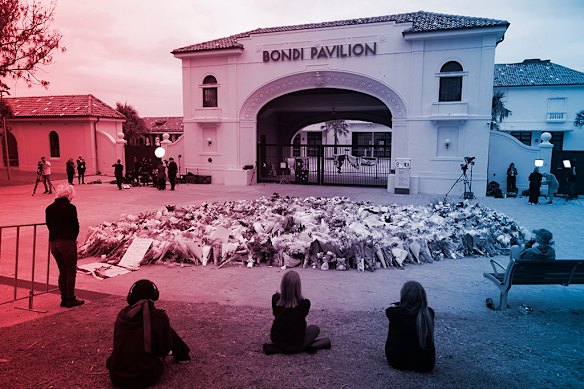
Bouquets and a vigil for the victims of the Bondi attack.Credit: Aresna Villanueva
Australians are divided over how connected and cohesive the country is as they reckon with the targeted killing of Jewish Australians celebrating Hanukkah: about 38 per cent of people regard the overall level of social cohesion as good, 30 per cent rate it poorly, and 32 per cent are unsure.
Resolve polled 1010 Australians between Wednesday and Saturday, producing results with a margin of error of 3.1 per cent, as the federal government stepped up its response to last Sunday’s terror attack.
The Albanese government on Thursday said it would implement all recommendations from its antisemitism envoy, commenced a hate speech crackdown and on Friday revealed the details of a gun buyback as part of broader national gun reforms. Earlier in the week, Albanese was the target of visceral criticism from the Jewish community, former Liberal prime minister John Howard and former Liberal treasurer Josh Frydenberg, who blasted his leadership on antisemitism.
About half of people surveyed were unimpressed by the federal government’s response to the attack, with 20 per cent describing it as weak, and 26 per cent as very weak. Just 10 per cent said the response has been very strong, 19 per cent regarded it as strong and 25 per cent were undecided.
“There’s certainly an appetite for stronger action to prevent a recurrence, to restrict access to guns and to tackle the underlying extremism and antisemitism at play,” said Resolve director Jim Reed.
Those views have contributed to a dip in Albanese’s popularity and performance ratings in the three weeks since the last poll, which were dominated by furore around Communications Minister Anika Wells’ use of government expenses – before the shooting at Bondi.
The prime minister’s net performance rating – which compares those who think he is doing a good or bad job – fell 15 points, from +6 at the beginning of the month to -9, which is the lowest it has been since the May election. His net likeability fell 14 points, from +9 to -5, which is on par with the result from September.
Ley’s ratings also fell, although by a smaller amount. Her net performance rating dropped from +3 to -4, while her likeability went from +8 to +1. This narrowed the gap on Australians’ preferred prime minister, but Albanese retains the lead, with 38 per cent choosing him and 30 per cent choosing Ley.
“The PM has taken a personal hit from all this. His likeability, performance, leadership and Labor’s primary vote are all at their lowest ebb since the May election,” Reed said.
“The passing of several bills just a few weeks ago and his wedding looked like Albanese would end the year on a high, but his political honeymoon has ended shortly after his real one.”
Labor’s primary vote dropped 3 points, while the Coalition and One Nation’s primary vote each increased by 2 points. One Nation is now the preferred party for 16 per cent of voters – its highest result in the Resolve Political Monitor to date – and its voters had the dimmest view of social cohesion.
But the government retains a strong lead on a two-party preferred basis, leading the Coalition 54-46.
There is broad consensus that racism and religious intolerance have been on the rise since the conflict in Gaza began in October 2023; 72 per cent of people agreed with that statement, while just 9 per cent disagreed. This is up from 69 per cent in January and 57 per cent last March.
Of those who think racism has worsened, there is a firming view that it is being driven by an increase in antisemitism. Fifty-five per cent of people surveyed said there was more antisemitism, on par with 54 per cent who agreed in January and above the 33 per cent who thought so last March.
Thirteen per cent of people say there has been an increase in Islamophobia – an increase of 4 points since January – and 32 per cent were unsure about what is driving racism, down from more than half who were unsure about the cause last year.
A large number of respondents – 76 per cent – thought there should be tougher immigration screening to identify antisemitic or extremist views; only 7 per cent of people opposed this measure.
“The attack was squarely targeted at the Jewish community, but the rest of Australia is feeling it and worried. Only a minority think our social cohesion is good right now, and most see a rise in racism over the last two years,” Reed said.
Cut through the noise of federal politics with news, views and expert analysis. Subscribers can sign up to our weekly Inside Politics newsletter.
Most Viewed in Politics
Loading