3 months ago
26
3 months ago
26

Despite wars, changing entry requirements and a weak dollar, Australians’ love of travel showed no sign of slowing down in the past year.
And while the so-called “Trump slump” (a decline in visitors to the US due to the president’s policies) was real, it was perhaps not as pronounced as some might have expected.
Elsewhere, some perennial favourites enjoyed huge increases in Australian visitors, hitting record numbers.
According to Australian Bureau of Statistics figures, in the 12 months to November this year Australian residents took a whopping 12.5 million overseas trips, up nearly 9 per cent on the previous year.
So where did we go? The top four destinations remained unchanged from the previous year: Indonesia, New Zealand, Japan and the United States.
Yes, although there has been much talk of a decline in visitor numbers to the US in the wake of President Donald Trump’s policies, it remained the fourth most-visited destination for Australians. We clocked up more than 726,000 visits over the past year.
However, that figure is still a slight decline on the previous year, down about 1 per cent, although America’s own International Trade Administration puts the decline in Australian tourists at about 6 per cent.
The drop still seems relatively small, but it’s worth bearing in mind that the US was one of only a handful of destinations – and the only one in the top 10 destinations – to see any decline at all. All other countries in the top 10 saw increases in Australian visitors ranging from mild to massive. The US, arguably, would have also seen an increase if not for the Trump factor.
US overall tourism did suffer, down by 4.5 million visitors in 2025 according to The New York Times, with the biggest drops coming from Germany (down 12 per cent), France (down 7 per cent) and South Korea (down 6 per cent). The biggest drop, however, came from Canada, which fell nearly 26 per cent in the wake of Trump’s comments about annexing the country. Canada is the second-biggest source of visitors to the US after Mexico.
Which destinations saw the biggest growth in Australian visitors? Perhaps surprisingly, the top two were Israel (up 32 per cent) and Iran (up 22 per cent). However, these numbers came off extremely low bases (less than 10,000 trips in 2024 for Israel, less than 15,000 for Iran) after visitor numbers plummeted in 2023 due to conflicts.
After a tough decade, Sri Lanka is enjoying a resurgence, with visitor numbers up nearly 19 per cent in 2025 to 132,000. Expect this figure to rise again in 2026, as Jetstar launches cheap flights on the Melbourne-Colombo route from August.
Despite already being one of the most popular destinations for Australians, Vietnam also enjoyed a huge increase in visitors this year, up more than 17 per cent to more than half a million.
Along with Vietnam, Japan and the UK also experienced large increases in Australian visitors, with Japan surging a further 14 per cent on 2024’s numbers to almost 940,000. The UK, meanwhile, rose 12 per cent to just almost 640,000 – this despite a strengthening pound over the past year, which has made the country less affordable for Australians (the Japanese yen, conversely, remains weak against our dollar).
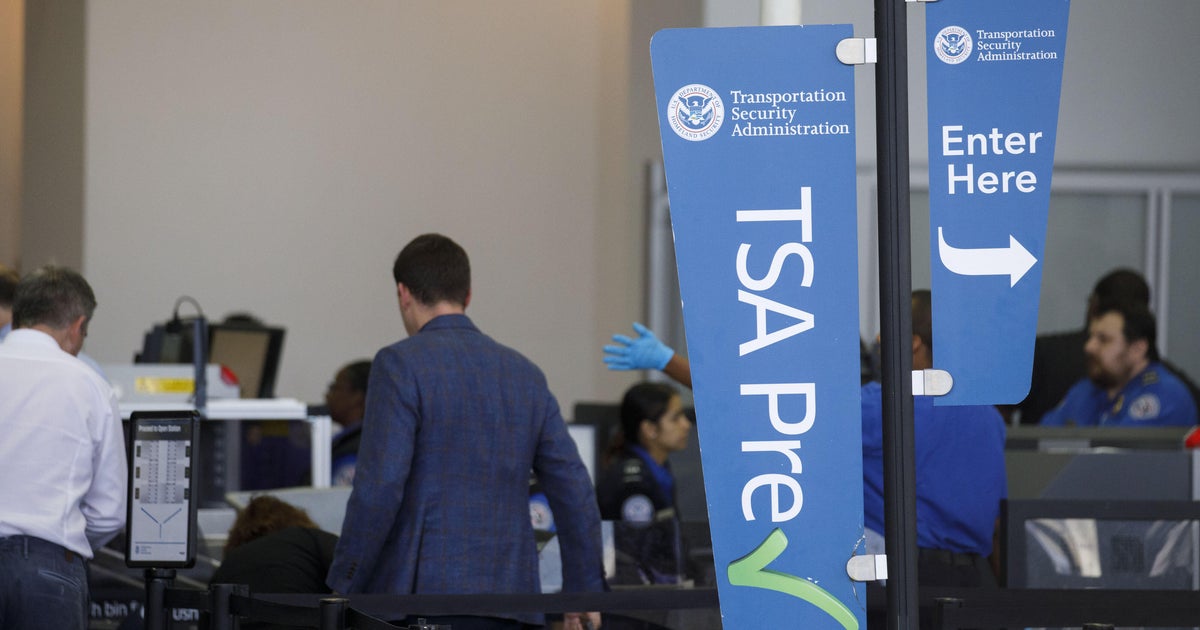
Where will we go in 2026? Aside from the aforementioned Sri Lanka, experts are tipping a return to Egypt and a big increase in visitors to the ’Stan countries of Central Asia. The US, however, looks likely to decline further if the Trump administration’s proposal to demand years of social media and other data from prospective visitors comes to pass, despite the country’s role as co-host of the upcoming FIFA World Cup.
Sign up for the Traveller newsletter
The latest travel news, tips and inspiration delivered to your inbox. Sign up now.