3 months ago
29
3 months ago
29
Bumbling Bazballers, two-day Tests and dead rubbers: These Ashes have over-promised and under-delivered
Steve Smith has not played in a competitive Ashes series in Australia. At the age of 36, chances are he never will. He wouldn’t remember one either.
In fact, hardly anyone under 50 would be able to. Australians have been waiting a long time for a close Ashes series on home soil, let alone a truly great one.

Australia won the Ashes in 11 days.Credit: AP
We don’t even need a 2005-style battle for the ages; even one like 2009 – when both teams took turns to flog each other and the fifth Test was actually a decider – would suffice.
OK, asking for a live fifth Test might be ambitious at a time when most fans would happily settle for a third day, but the bar isn’t high.
English summers don’t have sun, sand or surf, but they are home to epic Tests and captivating Ashes series. Both 2019 and 2023 are comfortably better than anything seen in Australia since the World Series days.
Ever since the Ashes rivalry was revitalised by 2005, series in Australia have been highly anticipated and failed to live up to the hype.
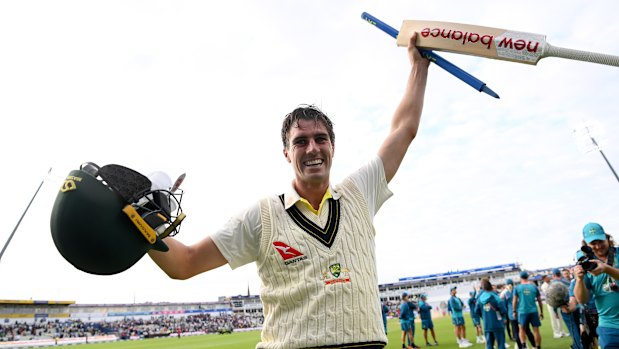
Classic Ashes Tests, like the first Test in 2023, generally take place in England, not Australia.Credit: Getty Images
Only once since 1986-87 has the fight for the urn been still alive heading into a fourth Test at home. You need to go back to the twilight in the careers of Dennis Lillee, Greg Chappell and Rod Marsh in 1982/83 to find an Ashes summer that has gone the distance. This one lasted 11 days.
In the 35 Tests since Dean Headley rocked Australia in Melbourne in 1998, nine have been decided by an innings, 12 by 100 or more runs and eight by five or more wickets. Amazing Adelaide (2006) is an outlier. There have been more two-day Tests than classic Tests.

Dean Headley destroyed Australia in the 1998 Boxing Day Test.Credit: Ray Kennedy
It’s a measure of how uncompetitive the games have been that the narrowest margins, by runs and wickets, have come in this series – in Adelaide (82 runs) and Melbourne (four wickets). The result of both games was apparent a long way out.
Loading
Australia have fielded great teams, but England have contributed through their ineptitude. Last week’s win was England’s first here in 15 years and just their seventh from their past 49 games. Only two have come with the urn up for grabs.
This series was supposed to be different, what with their “Bazball” batting and an express pace attack supposedly tailored for local conditions against an ageing Australian team. Instead, it has over-promised and under-delivered.
The stars have not played enough. Australia won the Ashes with Pat Cummins playing one game, Smith missing one and Nathan Lyon finishing one. Josh Hazlewood played none. England’s “Bazballers” have blown a rare opportunity to win in Australia.
Loading
Take bizarreness out of the criteria, and you’ll struggle to convince me any match this summer sits in the top 20 Tests played in this country since 2000.
The early finishes have made for a stilted Test season. In the 26 days from the start of the series to the third Test, there were just six days of play, and breaks of 11 days and nine between games. There will be a week between the Melbourne and Sydney Tests.
Fortunately for administrators, the Ashes brand (Bradman would be turning in his grave hearing that term) is strong. Crowd records, for either a day or the game, have been broken at each venue.

Fans queue up outside the ’G on Boxing Day.Credit: Getty Images
They’ll turn up in droves at the SCG, even if coach Andrew McDonald does not see it as an Ashes Test but an opportunity for World Test Championship points.
Loading
Plenty rides on the game, not just for CA and the wider Australian cricket ecosystem, which is praying for a five-day Test to stem the financial bleeding.
This series needs something of significance to be remembered by, like Steve Waugh’s century in 2002-03 or a fairytale ton for Usman Khawaja if he bows out. The 2006-07 whitewash was the final masterpiece by one of the greatest teams of all time. England’s win in 2010-11, their first here in almost a quarter of a century, left Australian cricket in crisis. Mitchell Johnson owned 2013-14, ditto Smith four years later. Scott Boland saved the COVID bubble series.
When the next home series rolls around in 2029, at least five of Australia’s incumbent XI will have retired. It will be a new-look team with players yet to debut. Australia won’t be as strong.
It might be a bridge too far for Joe Root and Ben Stokes to return as 38-year-olds, but the rest of England’s squad will be close enough to their prime years.
It should make for a more even series – in theory. We’ve all heard that one before.
Most Viewed in Sport
Loading