3 months ago
35
3 months ago
35

Updated February 28, 2026 — 9:26pm,first published 7:43pm
Israel and the US have attacked Iran in a joint military strike, with explosions heard and filmed in Tehran. Iranian media is also reporting more widespread attacks across the nation.
Here’s what we know so far.
Why have Israel and the US attacked Iran?
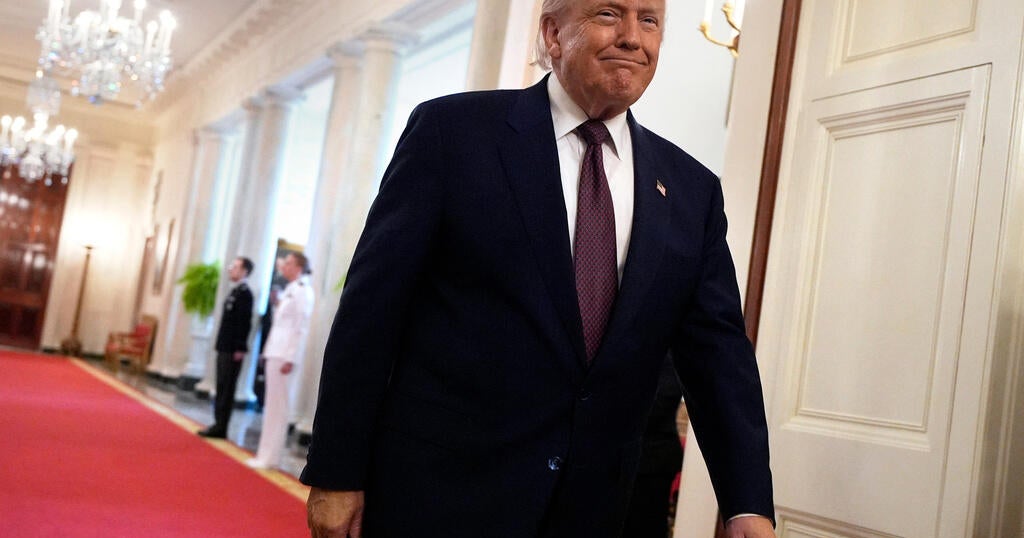
The military action has been launched amid tensions over Tehran’s nuclear program, with US President Donald Trump repeatedly suggesting in recent weeks that an attack was an option unless Iran agreed to his demands to rein it in.
A day before the strikes, he said he was “not happy” with the progress of talks with Iran’s leaders, as he insisted the regime “cannot have nuclear weapons”.
Trump, posting on his Truth Social platform after explosions were reported in Iran, said the objective of the strikes was to “defend the American people by eliminating imminent threats from the Iranian regime, a vicious group of very hard, terrible people”.
“Its menacing activities directly endanger the United States, our troops, our bases overseas and our allies throughout the world,” he said.
Trump urged Iranians to “take over your government”, telling them: “The hour of your freedom is at hand.”
What did the strikes target?
Iranian media reported that strikes were happening nationwide, from the capital Tehran to cities including Isfahan, Qom, Karaj and Kermanshah.
One apparent strike happened near the offices of Iran’s Supreme Leader Ayatollah Ali Khamenei. Reuters reported that he was not in Tehran at the time, and had been transferred to a secure location.
The military campaign is expected to focus on Iranian military sites. Trump said US forces would target Iran’s nuclear sites, its missile industry, its navy and its terrorist proxies.
Has Iran retaliated?
Iran’s Supreme National Security Council has confirmed its armed forces have commenced what it says is a “decisive response to these hostile acts”.
In a statement, it told Iranians to seek refuge in areas not being targeted, saying the government had made prior arrangements to ensure the supply of basic necessities.
CNN says Iran’s state-affiliated media is also reporting that four US bases in the Middle East were targeted as a response to the US and Israeli strikes on Iran,
Al Udeid Air Base in Qatar, Al Salem Air Base in Kuwait, Al Dhafra Air Base in the United Arab Emirates, and the US Fifth Fleet base in Bahrain were targeted by Iranian missile attacks, Fars news agency said, citing the Islamic Revolutionary Guard Corps.
Loud booms were also heard in parts of Abu Dhabi, according to five witnesses, including two Reuters correspondents.
Is the US going to war with Iran?
Trump described the strikes as a “major combat operation”.
In the US, the power to formally declare war rests solely with Congress, which had not authorised the action.
“No president was willing to do what I am willing to tonight,” Trump said.
A US official told The New York Times the campaign could last several days, representing a far more forceful effort than America’s bombing of Iranian nuclear facilities in June last year.
Trump acknowledged that the US “may have casualties” as a result of the operation. He said General Dan Caine, the chairman of the Joint Chiefs of Staff, had warned him that American troops could be killed or injured in a war with Iran.
Israel’s military detected ballistic missiles launched from Iran in response to the attack. American bases and embassies in the region were also on high alert, amid expectations that Tehran and its network of proxy paramilitary forces would strike at US interests.
What is Iran’s nuclear weapons capability?
Iran does not yet have a nuclear weapon, but as analysts from the Council on Foreign Relations wrote earlier this month, the regime has “a long history of engaging in secret nuclear weapons research in violation of its international commitments”.
In May last year, the International Atomic Energy Agency reported that Iran’s cache of near-weapons grade enriched uranium had increased by 50 per cent in three months. The US and Israel launched strikes targeting Iran’s key nuclear facilities shortly after that.
Why have there been protests in Iran recently?
In late December, protests erupted across Iran which were initially sparked by economic grievances, with the country’s plunging currency causing skyrocketing inflation.
The protests spread rapidly and morphed into a widespread anti-government push, but the movement ended in January after the regime cut off internet access and authorised violence against those taking to the streets. Human rights activists feared the death toll would top 10,000.
What has been the global reaction?
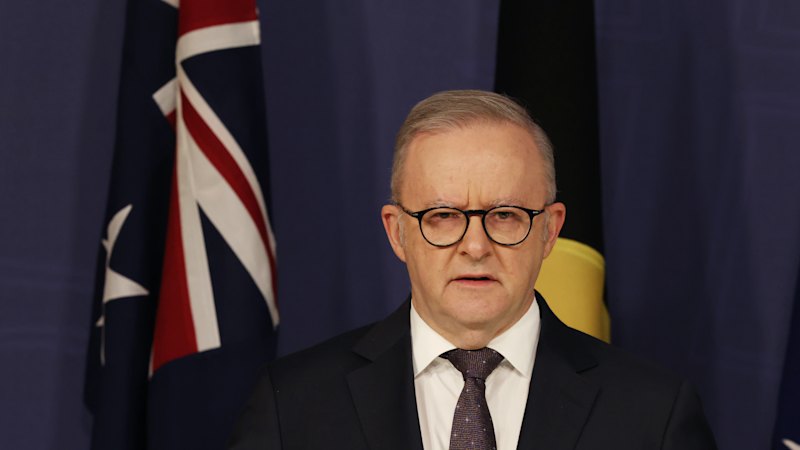
Prime Minister Anthony Albanese was among the first foreign leaders to weigh in on America’s attack on Iran.
He said Australia “stands with the brave people of Iran in their struggle against oppression”.
“We support the United States acting to prevent Iran from obtaining a nuclear weapon and to prevent Iran continuing to threaten international peace and security,” Albanese added.