3 months ago
28
3 months ago
28

Recognisable for their slick orange exteriors, NSW’s new long-distance passenger trains are turning heads as they undergo testing across the state’s rail network.
Part of a project that is more than three years late and more than $800 million over budget, the sight of the first of a fleet of 29 new regional passenger trains racing past stations instils a sense that their entry into service is finally in sight.
The target date for the first passenger service remains a matter transport officials are unwilling to hint at, citing the need to gain accreditation from the national rail safety regulator once thousands of hours of testing are completed.
For passengers long accustomed to the state’s decades-old XPT, Xplorer and Endeavour models, the new Spanish-built trains will feature charging points and other mod cons, improved accessibility, slightly wider aisles and a buffet car.
A mix of six- and three-carriage trains will carry between 118 and about 240 passengers as far as Melbourne, Brisbane, Broken Hill, Griffith and Moree, while 10 three-carriage trains will operate on intercity routes.
So far, nine of the trains have arrived in NSW from Spain, and another is due to be shipped to Port Kembla this month.
Once offloaded from ships, they are transported to a new maintenance facility in Dubbo, where they undergo a final fitout including installation of seating and tables before entering several phases of strenuous testing.
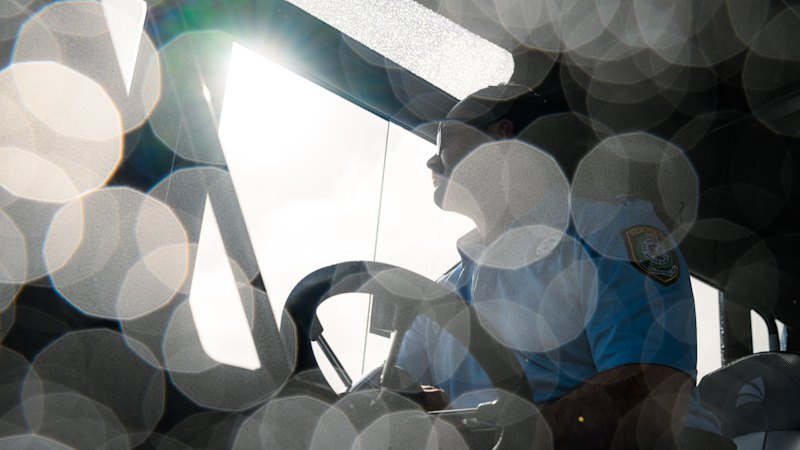
Transport for NSW deputy secretary Raquel Rubalcaba acknowledged the public’s frustration at the length of time testing was taking, but said the introduction of a new train type, which was powered by both diesel and electricity, required significant trials.
“The first one is always going to be the longest testing because safety-wise, we’ve got to verify everything,” she said, adding that the testing was complicated by the fact that the trains would operate in three states and the ACT.
They are the first bimodal passenger trains to operate in Australia, which presents a challenge because they require testing on Sydney’s electrified rail network and under diesel power on other parts of the state’s system.
The first train is about 60 per cent of the way through an expected 18 months of dynamic testing. After that, it will undergo operational testing, which includes passenger simulations.
Unlike the XPTs, the new trains that will travel as far as Melbourne and Brisbane do not include overnight sleeper cabins.
Transport for NSW rail fleet programs head Mark Stevenson said the agency was working on a business case to look at the viability of refurbishing selected XPT trains to provide future sleeper services, which would be subject to government funding decisions.
The state government is already spending about $40 million refurbishing XPT trains, some of which have re-entered service and will resume on the Sydney-Grafton route on April 28.
NSW Regional Transport Minister Jenny Aitchison blamed the long delay to the new trains entering service on the former Coalition government’s “offshore private model” stalling delivery and leaving taxpayers with a massive bill.
“The auditor-general exposed the cost of their approach: a combined $2.5 billion blowout in the cost of purchasing intercity and regional trains and years of delays,” she said.
“We have done the hard work to fix the project – dismantling the failed [public-private partnership], consulting with workforce and experts and restoring accountability.”
The NSW auditor-general was withering in an assessment last October of Transport for NSW’s purchase of both the long-distance regional train and intercity fleets, which have been years late and cost taxpayers billions of dollars more than originally forecast.
The delay to the new regional trains entering service is now greater than the worst-case scenario of last December, which was detailed several years ago in a confidential Infrastructure NSW assessment of the project.
Start the day with a summary of the day’s most important and interesting stories, analysis and insights. Sign up for our Morning Edition newsletter.