3 months ago
16
3 months ago
16
Opinion
November 14, 2025 — 12.05am
November 14, 2025 — 12.05am
I’ve been relatively lucky. I book the red-eye return flight every time I visit my family in Perth, and I always fly there from Sydney instead of where I’m based in Canberra even if means an extra 3-hour bus ride. I always choose overseas flights with the most inconvenient stopovers (all purely to save money), and I’ve done my fair share of flying over the years.
This week, though, I was chatting with a friend here in Canberra who told me she had taken only two flights in her life.
“Do you not have much of a desire to travel?” I asked her out of curiosity. “I would love to go to Melbourne,” she said. “But I think I’ve just learned to suppress those desires because I never had much money and flights are so expensive.”
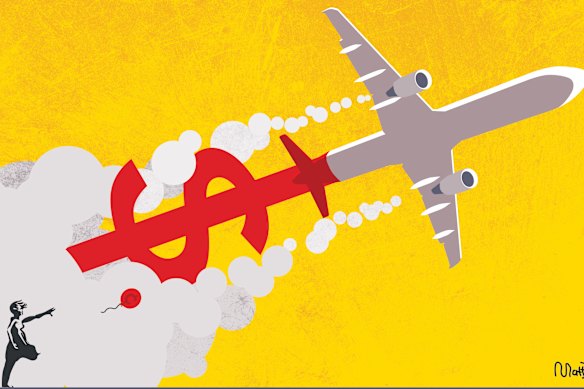
Having an additional airline in Australia might be easier said than done, but there are ways to do it.Credit: Matt Davidson
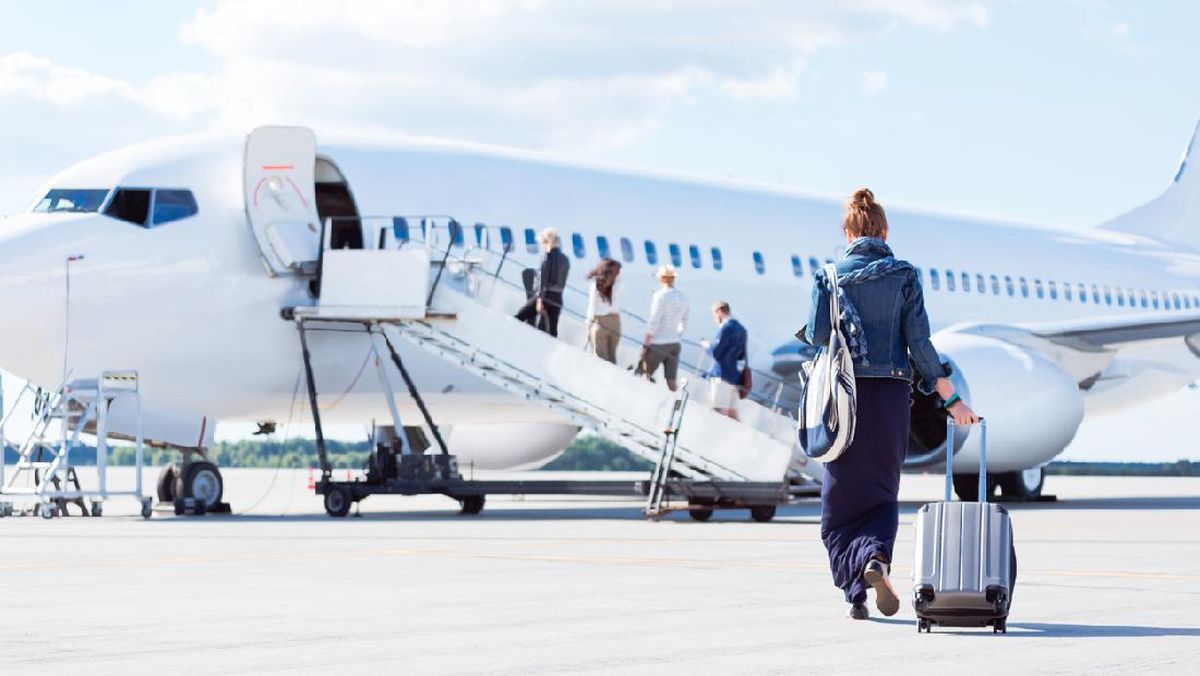
While most Australians are no stranger to flying for work, family or pleasure, it’s not something all of us can do – and it’s a mode of transport most of us would probably use more if we could afford it.
Of course, flying is a contributor to our greenhouse gasses (Australia’s aviation sector accounts for about 5 per cent of the country’s carbon dioxide emissions). So until we have more commercially available zero-emissions flights, it may not be all bad that flights are as expensive as they are, limiting the amount of non-essential travel we do by air.
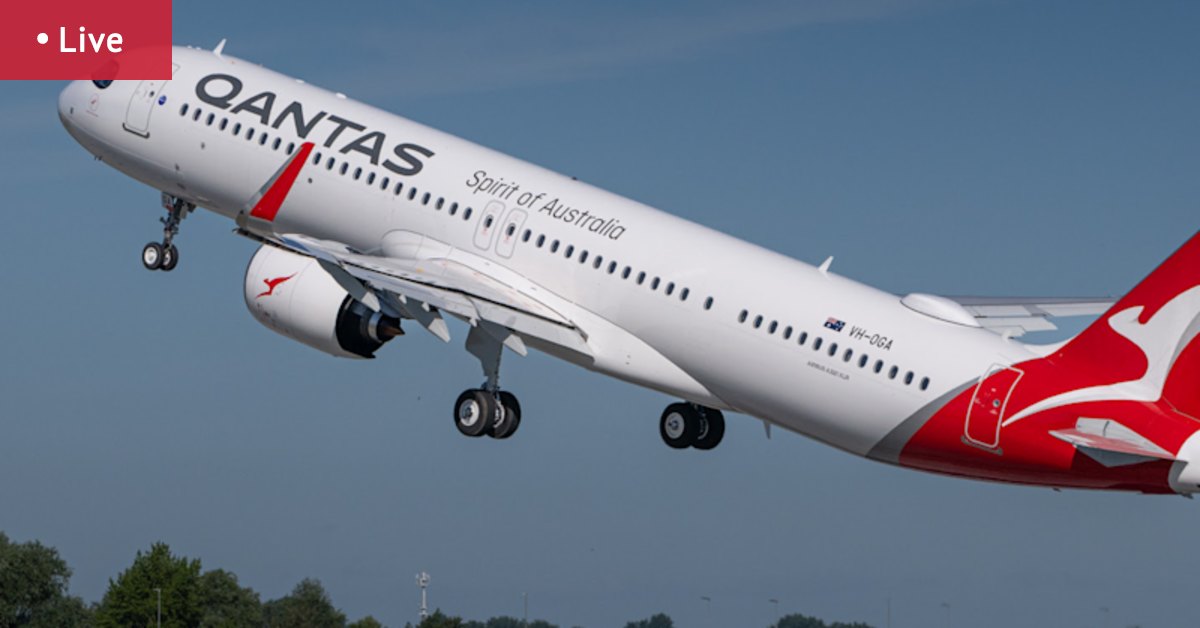
But it’s also true that Australia’s airlines – and especially the two major ones: Qantas and Virgin – pocket a tidy profit, flying off with more of our money than similar airlines serving our friends overseas. In 2023, the local airline industry estimated the profit margins of Australia’s carriers to be between 8 and 10 per cent – far higher than the global average.
We’ve known for a while that the key to cheaper (and possibly better) flights is stronger competition. Two big businesses competing with each other is better than just one dominating the market. But having a strong third competitor would put more pressure on the existing two to do better and offer lower prices.
A research paper released by Treasury this week concluded that having an additional airline flying domestic routes in Australia could lead to an increase in passenger demand of between 12.5 per cent and 25 per cent over the long run – or about 6.9 million to 13.8 million more discount economy passengers.
That’s largely because having an extra airline competing for customers forces airlines to compete harder to win customers. Another paper by Treasury last year found that in Australia, an additional airline on a domestic route could push air fares down by about 5 to 10 per cent, with prices falling further the more airlines are added.
Giving people more access to flights is good for several reasons. Not only does it mean people like my friend can see more of the country and enjoy travelling, but it’s also a good thing for the economy.
We know Australia has a productivity problem: we’re not getting much better at using the scarce resources we have to provide the goods and services we want and need. Part of that is because of the very problem we see in the aviation sector: a lack of competition (think Coles and Woolworths dominating the supermarket space or the big four banks doing most of our lending), meaning many of our big businesses aren’t being pushed to innovate.
Loading
But we could also improve our productivity if Australians could get around more easily. Businesses wouldn’t have to spend as much flying their workers around (leaving them with more money to spend on technology or research), workers could more easily travel to places with jobs that suit their skills better, and people could get to places faster or more frequently to make deals, connect with each other and share ideas.
The country’s tourism industry would also get a boost (the Treasury report authors reckon the growth in passenger demand would be especially strong on tourist routes at up to 58 per cent) as Australian travellers spend more on accommodation, food, shopping and transport. Overseas tourists could also decide to add an additional leg to another Australian city onto their trips if prices were lower.
The effect of lower air fares on passenger numbers isn’t as strong immediately as it is over the longer term according to the researchers. This reflects what’s called “elasticity”: in this case, how sensitive customers’ demand for flights is to a given change in price.
An additional airline in Australia (and therefore a 5 to 10 per cent fall in air fares) leads to an increase in demand from passengers of only between 0.5 per cent to 1 per cent in the month that follows, meaning demand is relatively “inelastic” – or unresponsive – to changes in price. But in the year that follows, the same change in price can lead to an increase in demand from passengers of up to 25 per cent, meaning demand is much more “elastic” – or responsive – to changes in price.
ANU public policy professor Bob Breunig, lead author of the Treasury report, says the difference is largely because, especially for non-essential travel, it can take a while for habits to change.
“In the month that follows a decrease in air fares, a business person who was going to do a video meeting [with someone interstate] might decide to do an in-person meeting instead because it’s suddenly cheaper,” he says, while someone flying for leisure might not immediately plan an extra trip. But a year down the runway, people are more likely to consider those additional domestic trips.
The research also found that the jump in demand is bigger over the long run for traditionally “tourist” routes such as those flying to Cairns or Coffs Harbour compared to those dominated by business travel such as Sydney to Canberra (bad news for me).
Of course, having an additional airline in Australia is easier said than done. Dozens of airlines, including most recently Rex and Bonza, have tried to break into the industry, or take on Qantas and Virgin on the capital city routes they dominate, but faced too many headwinds.
Loading
Australia’s relatively sparse population certainly doesn’t help, but the regulatory maze airlines have to navigate and the battle for airport slots (dominated, of course, by the major airlines), has made things especially difficult for new airlines. Qantas and Virgin have been accused of “slot hoarding”, by which they book slots at airports and cancel them to block competitors from accessing peak travel times which tend to be the most profitable.
While other options such as high-speed trains between our major cities could introduce more competition, that will probably take decades and huge amounts of government spending to lay out the track and build the infrastructure needed.
One thing the government should do is remove the ban on foreign airlines operating purely domestic routes – a policy the Coalition at least promised to trial if elected at the last election. Many international airlines have the huge amount of money and existing processes and machinery needed to compete with Australia’s aviation giants.
Lower air fares might not immediately lead to Australia’s passenger numbers taking off. But the evidence is overwhelming for the need for more competition. It’s also our chance to boost the country’s productivity and make sure more Australians – including those who aren’t as well off – get to see more of the country we’re lucky to call home.
Ross Gittins unpacks the economy in an exclusive subscriber-only newsletter. Sign up to receive it every Tuesday evening.
Most Viewed in Business
Loading