3 months ago
15
3 months ago
15
Victoria will miss 2032 offshore wind targets, ‘likely to face electricity shortfalls’: report
Victoria will not meet its offshore wind targets for 2032, the state’s auditor-general has warned in a report that also says delays to key projects in the state are risking electricity shortages.
In a report tabled to parliament on Wednesday, the Victorian Auditor-General’s Office assessed the state’s renewable energy transition and found it was on track for its 2025 generation targets and likely to meet its ambitions for 2030.
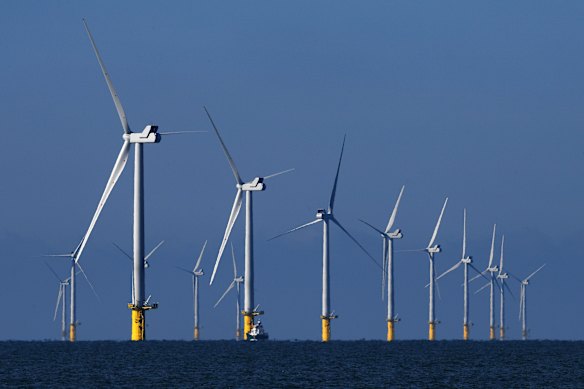
Victoria’s Auditor-General has warned the state will not meet its offshore wind targets.Credit: Getty
But it said the Allan government’s goal of having two gigawatts of offshore wind by 2032, a fundamental part of the state’s efforts to offset the closure of coal-fired power, would not be met.
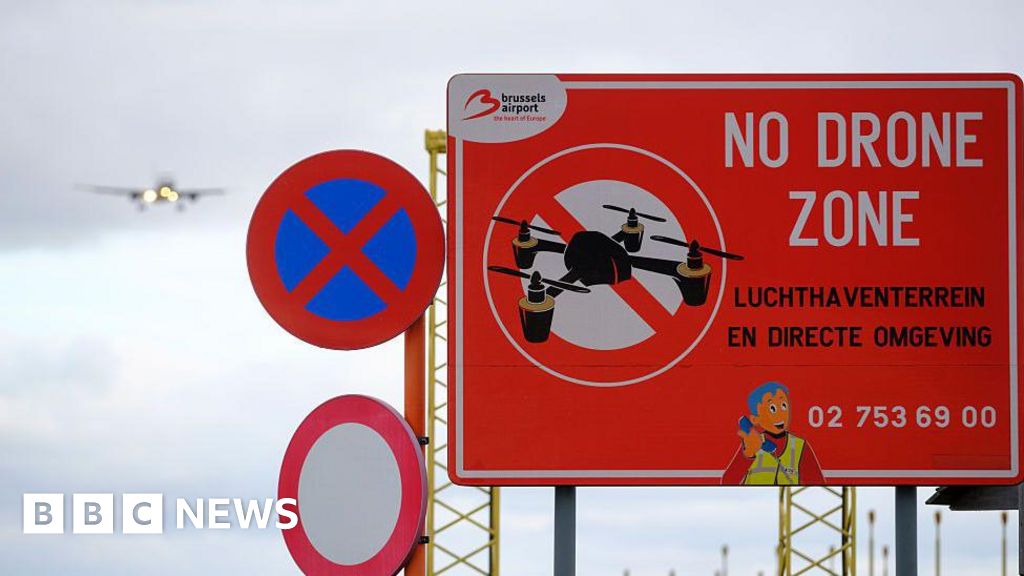
The report noted that there was still no port approved to support the assembly of wind turbines and that the government had also delayed its offshore wind auctions, which were meant to start this year.
“Under an optimistic scenario Victoria could build two gigawatts of offshore wind capacity by the end of 2033. But there is a risk of further delays,” it said.
Loading
The Auditor-General also said the Australian Energy Market Operator anticipated Victoria had enough supply to meet its needs until 2030.
But VAGO’s report said this depended on key projects being delivered on time and did not allow for higher-than-forecast demand and other risks such as gas shortages, planned maintenance and difficult weather conditions.
“If these risks are not successfully managed, Victoria would be more likely to face electricity shortfalls after Yallourn coal-fired power station closes in mid-2028,” the report said.
An additional challenge to ensuring supply, the report said, was the fact that key transmission line projects, VNI West and Western Renewables Link, that could provide the state with access to continuously available “firm energy”, have been delayed.
“It is now expected that these projects will not be in service until at least 2030, two years after Yallourn closes,” VAGO said.
“This means that Victoria will not have expanded access to electricity from the planned hydropower station, Snowy 2.0, when Yallourn closes.
“Without access to long-duration storage, Victoria may not always have enough electricity available during periods of peak demand if weather conditions are unfavourable for wind and solar.”
Under the government’s own risk management policies, there was a severe to “almost certain” risk of a disorderly energy transition that could result in job losses, supply disruptions and volatile prices for households and businesses, VAGO said.
However, the report said Victoria was on track to meet its 2030 for battery storage, which would mean 2.6 gigawatts of power are available to the grid.
Loading
In a written response to the report, the Department of Energy, Environment and Climate said it accepted the report but disputed some of its argument.
The department rejected claims they had not planned for Victoria’s energy transition, pointing to an increase of 14 per cent renewables to 42 per cent while maintaining reliability.
“These outcomes would not have come about had DEECA and its predecessor agencies not managed and advised the government on how to tackle the many emergent risks which have been confronted along the way,” the department said.
Opposition energy spokesman David Davis said the government had botched the energy transition.
“Victoria faces real challenges after 11 years of Labor in Victoria of meeting secure and reliable electricity standards,” he said.
“The offshore wind fiasco means Victoria will not meet its targets and meeting further renewable targets from 2030 will become increasingly difficult under Labor.”
The Morning Edition newsletter is our guide to the day’s most important and interesting stories, analysis and insights. Sign up here.
Most Viewed in Politics
Loading