3 months ago
66
3 months ago
66
What you need to know
By
Thanks for joining our continuing live coverage of the conflict in the Middle East.
Here’s a recap of the latest developments:
- Dramatic footage has emerged of the moment a journalist and cameraman, working for Russian state broadcaster RT, were wounded in an Israeli strike in southern Lebanon. In direct response to the vision, Israel’s military said an “explicit warning had been issued regarding this area”.
- The leaders of the United Kingdom, France, Germany, Italy, the Netherlands and Japan have issued a joint statement offering to help unblock the Strait of Hormuz.
- The NRMA has recommended motorists buy E10 fuel and resist filling up jerry cans, while Energy Minister Chris Bowen says fuel is “beginning to flow” from strategic reserves.
- Australia’s largest oil refinery - one of only two remaining - will delay maintenance to pump out 300 million extra litres of petrol, diesel and jet fuel, as subsidies to extend the life of the two refineries are announced.
- US Defence Secretary Pete Hegseth has confirmed the Pentagon is seeking at least $US200 billion ($281 billion) from the White House to fund the war in Iran, stating: “It takes money to kill bad guys.”
- The Trump administration is considering removing sanctions on millions of barrels of Iranian oil already on the water and could also release more from its strategic reserves to keep the price down, US Treasury Secretary Scott Bessent said.
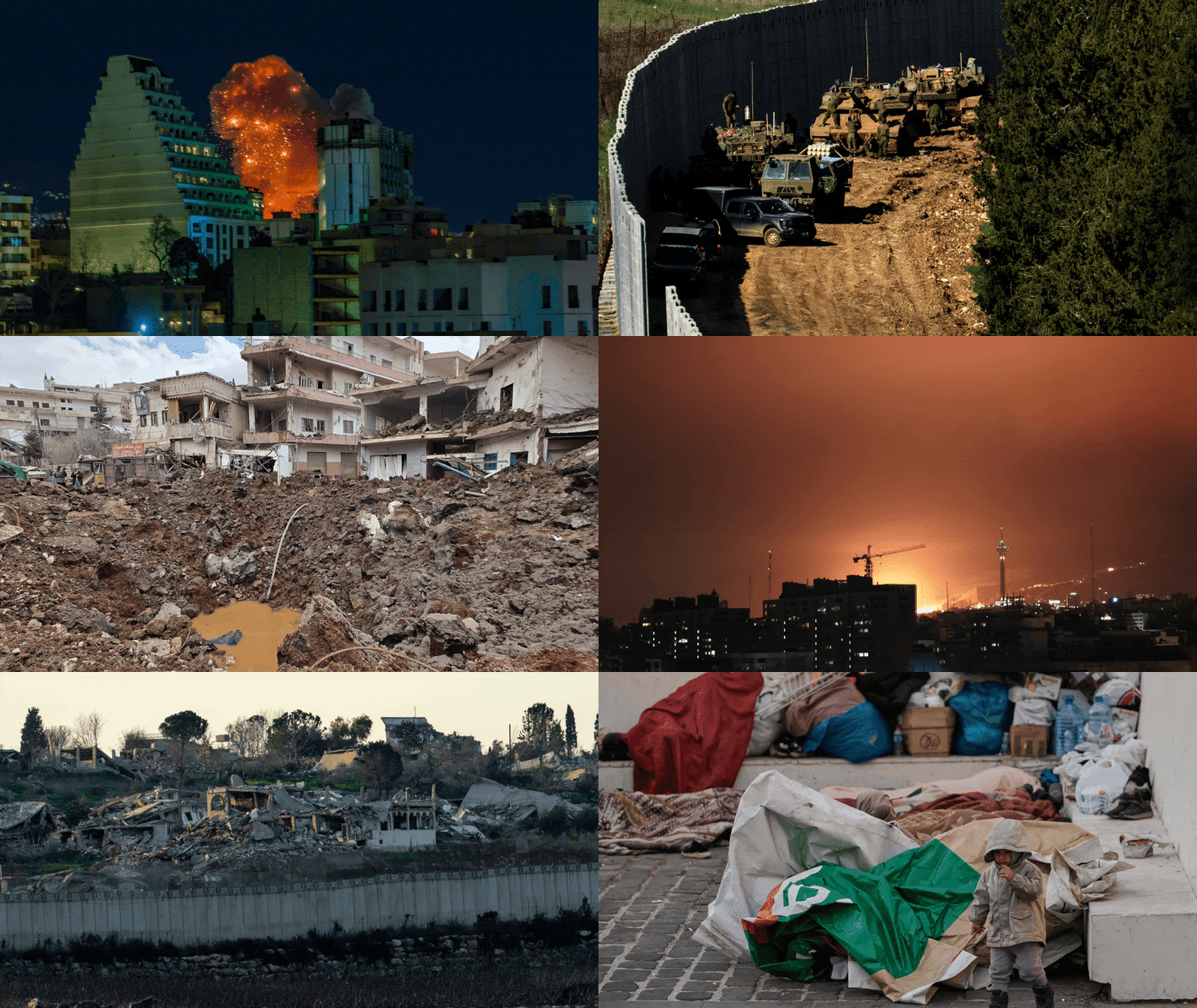
- More than 1000 people have been killed in Lebanon since the US-Israel war with Iran began, according to the Health Ministry, and more than one million people have been displaced.
- The Israeli military struck Iranian targets in the Caspian Sea, taking out naval capabilities, but will pause attacks on Iran’s gas fields at US President Donald Trump’s request.
- Iran’s Foreign Minister Abbas Araghchi vowed “zero restraint” if its infrastructure was struck again, after an Israeli attack on a massive gas field yesterday triggered Iranian retaliation across the Gulf and on Israeli oil refineries.
Latest Posts
Iranian soccer player expelled from team for disloyalty: report
By
Sardar Azmoun, one of Iran’s top men’s soccer players, has been expelled from the national team for a perceived act of disloyalty to the government, Iranian media has reported, making it unlikely he will play any part in the upcoming World Cup.
Azmoun, one of the best-known footballers in Iran, upset the Iranian authorities this week by posting a since-deleted picture on his Instagram feed of a meeting with Dubai’s ruler Mohammed bin Rashid Al Maktoum.
Iran has launched rocket and drone attacks on the UAE following air strikes by the United States and Israel, which killed the country’s Supreme Leader Ayatollah Ali Khamenei.
A report on the Fars News Agency, which has links to the hardline Islamic Revolutionary Guard Corps, cited “an informed source within the national team” as saying Azmoun had been expelled from the squad.
Reuters
Virgin raises ticket prices as jet fuel costs spiral
By Chris Zappone
Spiralling jet fuel costs driven by the conflict in the Middle East have prompted Virgin Australia to raise ticket prices by about 5 per cent.
“Costs across the aviation sector continue to rise, a trend now significantly worsened by the situation in the Middle East,” a spokesperson for the airline said. “We are making necessary fare adjustments to reflect these pressures.”
The price rise will affect domestic business and economy base fares from Monday.
The war between Iran and Israel and the US, starting on February 28, has triggered a global energy crisis that is crippling the aviation sector.
Qantas announced it would increase prices by 5 per cent on March 10 “in response to rising costs, including the significant increases in jet fuel prices”.
Additionally, Virgin, whose network is primarily domestic, is reviewing whether to cut specific routes in response to the energy shock – a strategy already adopted by Air New Zealand and Scandinavian airline SAS. Both Qantas and Virgin said in their respective half-year results announcements at the end of February that they had hedged the majority of their fuel.
Panic-buying ‘ripping the fuel out of the market’
By Jack Gramenz
The NRMA is investigating whether motorists are changing their driving behaviour or modifying holiday plans in response to surging oil prices.
NRMA spokesman Peter Khoury said research is being conducted to try and quantify what is “anecdotally” a shift in behaviour.
But purchasing behaviour also appears to have changed.
“People’s buying habits increased significantly, in some areas [they have] had a four-fold amount, and that’s just ripping the fuel out of the market that we need, and it’s got to stop,” Khoury said.
He said the NRMA has tips for motorists to reduce their fuel consumption, “Iran conflict or no conflict”.
The NRMA advises not carrying excess weight in the boot, making sure tyres are properly inflated and not being “a lead foot”.
Strikes continue across Middle East
By Angus Delaney
Attacks are continuing across the Middle East, with strikes reported in Kuwait, the United Arab Emirates, Saudi Arabia and Iran.
“Kuwaiti air defences are currently confronting hostile missile and drone attacks,” the nation’s military said on X, according to a translation from Arabic.
“The General Staff of the Army notes that if explosion sounds are heard, they are the result of air defence systems intercepting the hostile attacks.”
Authorities in Dubai and Saudi Arabia confirmed it had intercepted attacks and no injuries had been reported.
Israel has continued to bombard Tehran, as Iranians observe the Persian New Year, Nowruz.
EU president to address parliament, trade deal appears imminent
By Nick Newling
Prime Minister Anthony Albanese has said next Tuesday will be “a good day in the interests of Australia”, as European Union President Ursula von der Leyen visits Canberra, where the two leaders are expected to sign a long-awaited free trade agreement.
Trade Minister Don Farrell this week said the deal would boost Australia’s trade by approximately $10 billion in the first year, and more in subsequent years, and that there were a few more details to negotiate before the deal could be inked.
Albanese also announced that von der Leyen would address a joint sitting of parliament, the second address this month following a speech from the Canadian prime minister on March 5. She will be the first female leader to address a joint sitting of parliament in Australia.
“We are analysing trade negotiations at the moment, and with the uncertainty that’s there in the global community, it says a lot that just a couple of weeks ago, we had the Canadian Prime Minister Mark Carney. Now we’ll have the leader of Europe, Ursula von der Leyen, addressing a joint sitting of parliament,” Albanese said.
“I very much look forward to meeting with Ursula von der Leyen. We have a great relationship, and next Tuesday will be a good day in the interests of Australia, but also in the interests of our friends in Europe.”
Australia working with allies, but didn’t sign Hormuz statement: PM
By Nick Newling
Prime Minister Anthony Albanese has denied his government is out of step with European allies and Japan who signed a statement saying they stood ready to support the unblocking of the Strait of Hormuz.
“We want to see the Strait of Hormuz opened. We’re offering support, and have support on the ground in the region, including an E-7A aircraft, including the [advanced medium-range air-to-air missiles] that we’ve supplied to the United Arab Emirates,” Albanese told a press conference in Whyalla, South Australia.
“We’re working with our allies, including, once again, calling for the Iranian regime to allow freedom of navigation. This is essential for international trade … and we again reiterate that call.”
A joint statement by the leaders of the United Kingdom, France, Germany, Italy, the Netherlands and Japan this morning condemned Iran for its attacks on commercial shipping vessels and civilian energy facilities, as well as its de facto closure of the crucial maritime passage. Australia was not a signatory to the statement.
Sydney service stations run dry
By Emily Kaine
The screens normally displaying prices for fuel went dark at the Ampol service station in Neutral Bay yesterday. This morning, the station totally ran out of petrol and diesel.
Brad, a local business owner, said the signs went black late last night, but when he popped in, motorists seemed to be filling up their cars without an issue.
But by this morning, when he walked past the service station again, “out of order” signs covered every single bowser.
Motorists swinging by hoping to fill up on their morning commute swiftly sped away upon realising all the bowsers were out of order. A couple stopped and exited their cars to ask staff members what was going on.
In NSW, 107 service stations are without diesel
By Jessica McSweeney
Across NSW 107 service stations are without diesel, up from 80 yesterday, and 42 have no fuel at all – but the state government insists the shortages aren’t bad enough to force workers to stay home.
There are about 2500 petrol stations in NSW according to the state government.
Treasurer Daniel Mookhey said the government was planning for a multitude of scenarios, but was not calling for any work from home mandates to conserve fuel supply.
“Here in Sydney people have excellent public transport options ... we recognise that there are going to be parts of the city and there’s going to be parts of the state for which public transport isn’t an alternative,” Mookhey said.
Australia’s largest oil refinery delays maintenance shutdown to boost fuel supplies
By Nick Toscano
Australia’s biggest remaining oil refinery has agreed delay a temporary shutdown by two months so it can pump out an extra 300 million litres of petrol, diesel and jet fuel amid deepening worries about a looming drop-off in fuel shipments from Asia and the fragile state of the nation’s energy security.
Fuel giant Ampol, which runs the Lytton oil refinery in Brisbane, had planned to temporarily close the plant for a major maintenance overhaul, known as a “turnaround”, in June, but on Friday said it would defer those works until the start of August.
The decision comes as attacks on major oil and gas facilities in the Middle East and Iran’s effective closure of the Strait of Hormuz, a vital shipping corridor for oil tankers, is roiling global energy and pushing fuel prices in Australia to unprecedented highs.
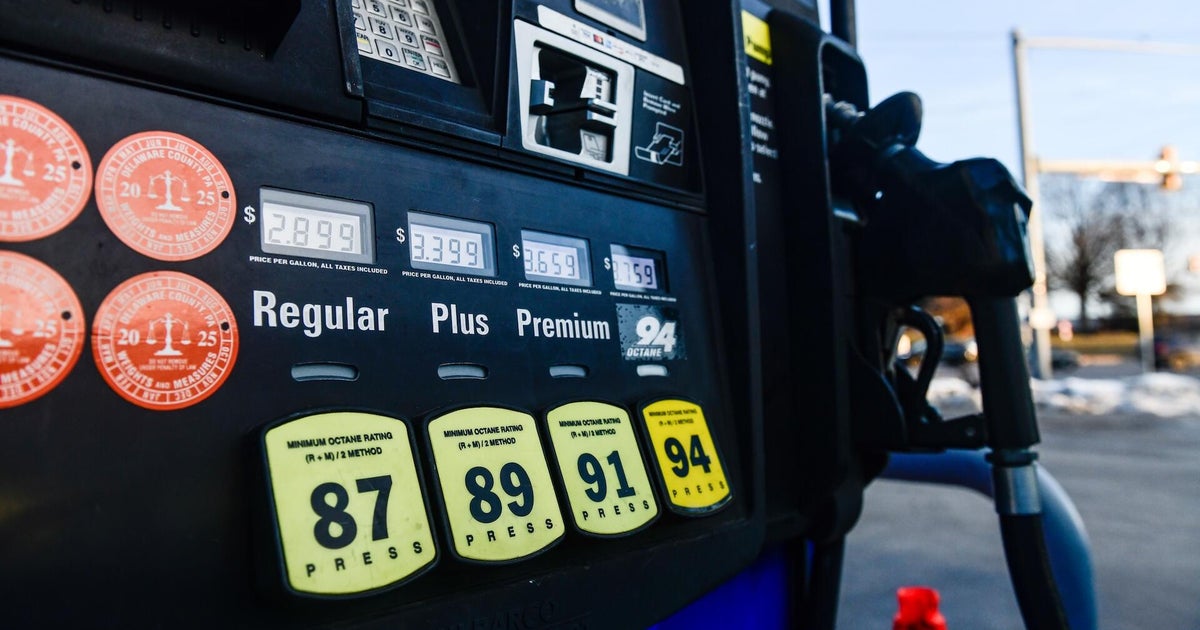
Petrol stations across the country are selling unleaded for an average price of $2.19 a litre, an increase of 20 per cent since the conflict began, according to the Australian Institute of Petroleum.
Almost two-thirds of Americans think Trump will send troops to Iran
By
Some 65 per cent of Americans believe US President Donald Trump will order troops into a large-scale ground war in Iran and just seven per cent support that idea, a Reuters/Ipsos poll found.
The three-day poll, which closed overnight, showed Trump’s broader standing with the public holding largely unchanged at 40 per cent, up one percentage point from a poll carried out in the hours after the US and Israel attacked Iran on February 28.
The poll, which gathered responses from 1545 US adults nationwide, had a margin of error of about three percentage points.
The Trump administration has mulled deploying thousands of US troops to reinforce its operation in the Middle East, Reuters reported on Wednesday.
1 of 4