3 months ago
42
3 months ago
42

Updated February 28, 2026 — 9:51pm,first published 9:25pm
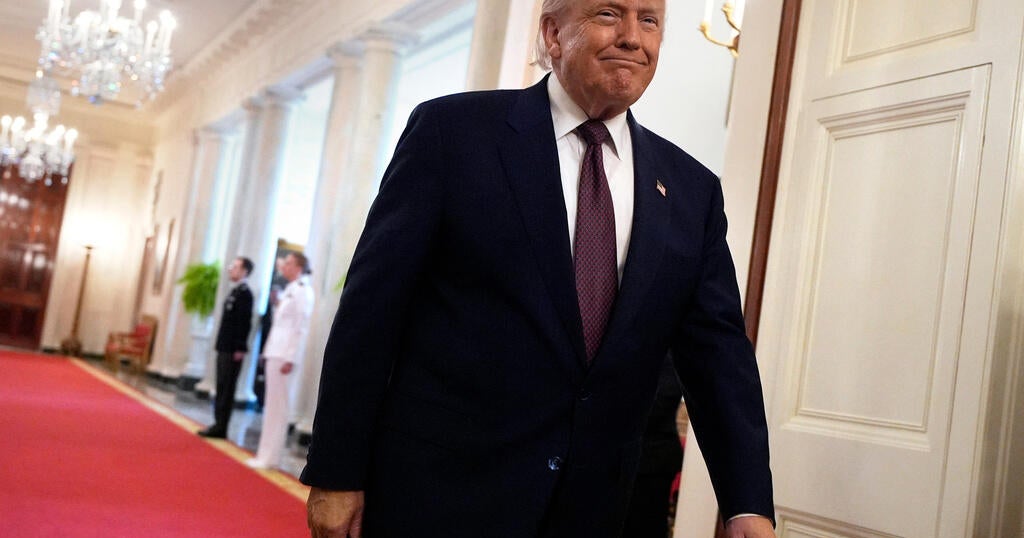
London: Donald Trump and Benjamin Netanyahu have decided on war regardless of the stance taken by world leaders from nations that have backed America and Israel in the past. The US President and the Israeli Prime Minister do not need any support from other nations to destroy Iranian military targets, but their decision highlights the rift between western leaders over this use of overwhelming military force.
The American alliance with the United Kingdom appears weaker from this decision. Trump is frustrated with the UK and its leader, Prime Minister Keir Starmer, over the refusal in the UK to join this strike against Iran in some way. Starmer has refused to allow the US to use the shared Indian Ocean military base of Diego Garcia – sovereign British territory, but run by US forces - to send aircraft to bomb Iran. Starmer has also ruled out using airfields in the UK for the same purpose.
Trump complained about this one week ago when he called on Starmer to stop plans to give Mauritius sovereignty of the island, a secure and strategic location that allows aircraft to reach the Middle East. He painted UK leaders as weak. “We will always be ready, willing, and able to fight for the UK, but they have to remain strong in the face of Wokeism, and other problems put before them,” he posted on social media.
There is no sign, so far, of any help from major US allies for the attack on Iran. There appears to be no NATO involvement in any strikes and no statements of support from the European Union in the first hours after the bombing began. The first response from the European Commission’s foreign affairs chief, Kaja Kallas, criticised Iran but did not support or reject the US military attacks.
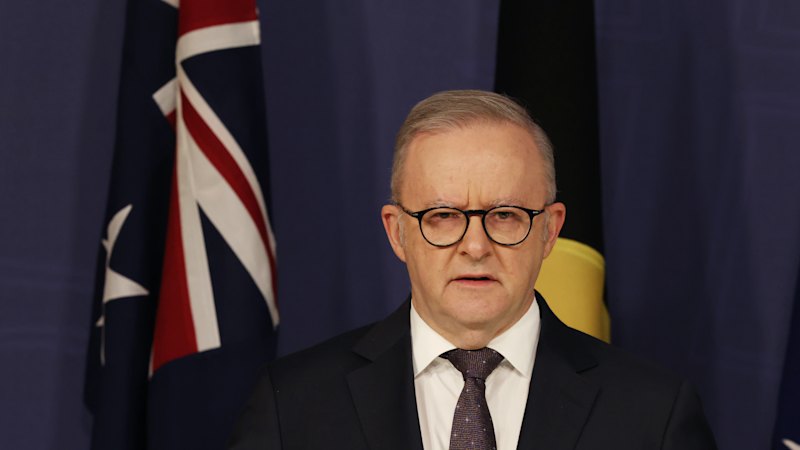
The Australian response may signal the view taken by some other American allies, given that Prime Minister Anthony Albanese talks regularly with Starmer and other leaders. Albanese was clear about the Australian stance: “We support the United States acting to prevent Iran from obtaining a nuclear weapon and to prevent Iran continuing to threaten international peace and security.” As of 9pm AEDT on Saturday in Australia, no other US ally has been so direct.
There are clear tensions in the European relationship with Trump after he laid claim to Greenland and threatened tariffs on allies in January. And there are strains between Europe and Israel after French President Emmanuel Macron gained support from Starmer and others in moving to recognise the state of Palestine despite fierce objections from Netanyahu.
Starmer chose to stay silent in public in the first hours after the attack so he could convene a security meeting with cabinet ministers and defence chiefs, known in the UK as a Cobra meeting. He authorised a statement from a spokesperson warning against “further escalation” in the Middle East, but this avoided any explicit support for, or rejection of, the strikes.
“Iran must never be allowed to develop a nuclear weapon and that is why we have continually supported efforts to reach a negotiated solution,” the UK government said. “We do not want to see further escalation into a wider regional conflict.”
In trying to walk a middle path on this conflict, world leaders will be criticised from both sides. Those who oppose Trump’s decision will see the guarded reactions from Europe and elsewhere as a form of tactic support for military strikes. Iranians who have fled their country, and bitterly oppose the regime, already think European leaders are too weak on Iran. Trump will expect total endorsement from American allies and will notice when he does not get it.
Even leaders who are aligned with Trump appear reluctant to be too definitive about where they stand. Reform UK leader Nigel Farage, a friend of Trump and a visitor to Mar-a-Lago in the past, did not offer explicit support in his first statement. “As the American attacks against this evil regime in Iran begin, I pray for the right outcome for the wonderful Persian people,” he said in a social media post.
World leaders are discussing their responses while they monitor the impact of these strikes. But they can already see that their words will not change this massive show of force. Trump and Netanyahu have decided on war, and they will put their alliance above others.
Read more on the US-Israel-Iran conflict:
- Live updates: Israel attacks Iran
- What we know so far: Why have Israel and the US attacked Iran?
- US President reveals his endgame: Attacking Iran is Trump’s most consequential moment, writes Michael Koziol
- Explainer: How the era of the Ayatollahs began
Get a note directly from our foreign correspondents on what’s making headlines around the world. Sign up for our weekly What in the World newsletter.