3 months ago
15
3 months ago
15
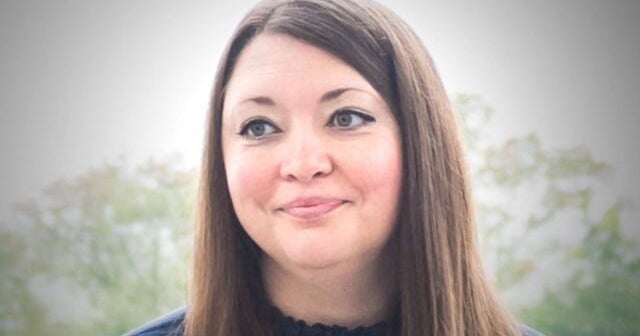
The first time Erin remembers pulling out her hair, she was 14. The impulse escalated until her mid-twenties, when she says, “it was the worst it’s ever been”.
“I’d say 40 per cent of my head was bald,” says the Melburnian, who has chosen not to disclose her surname.
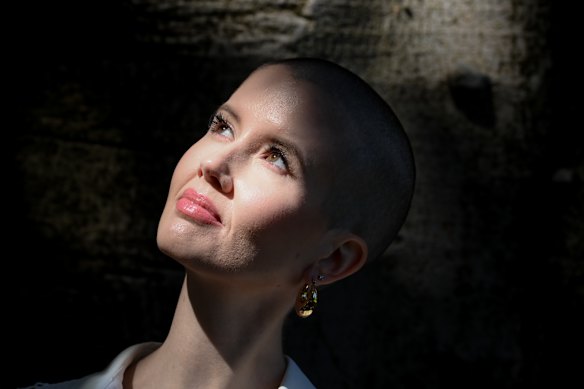
Erin has suffered from trichotillomania since her teens, and recently made the decision to shave her head in an effort to curb the disorder.Credit: Justin McManus
Pulling often happened while driving, before bed or while watching TV after a stressful day, and always in private.
“It’s almost trance-like. It’s like a mental checkout,” she says.
The pulling, in turn, controlled her life and affected her self-esteem.
“You’re worried and stressed because your hair’s not looking the way that you want it to, you’re feeling embarrassed about it and you’re worried about going out in public, and then that stress fuels the need to pull your hair out. It’s a never-ending vicious cycle.”
It was around this time – almost 10 years since the pulling started – that she happened upon a YouTube video, and learned her secret habit had a name.
Trichotillomania is a condition that involves pulling out hair, either from the head, eyelashes, eyebrows or other parts of the body. It falls under the umbrella of body-focused repetitive behaviours, that includes skin-picking and nail-biting, and is related to Obsessive Compulsive Disorder (OCD).
It’s estimated that around 1 to 3 per cent of the population lives with trichotillomania, which usually starts in puberty and lasts for around 20 years.
Now 35, Erin recently decided to shave her head – something she first did in 2018 under the guise of The World’s Greatest Shave. But after years of battling the condition, she’s decided it’s the best long-term solution for managing it, alongside therapy.
Loading
“The mental relief was instant, because I no longer had to worry about what people thought or what they could see,” she says.
“It’s hard to be a woman with a shaved head, it’s not common. But for me, it is far outweighed by the fact that I just feel so mentally at peace.”
Dr Amy Talbot, a senior clinical psychologist at The Talbot Centre, says research on trichotillomania remains limited, but “it’s suspected that there’s a combination of factors: a genetic component, and then the right kind of environment to activate that underlying biology, which includes stressful life events.”
Some celebrities have spoken out about living with trichotillomania, including Olivia Munn, Pete Davidson and Amy Schumer, and awareness is growing. Still, limited research and education – even among health professionals – means many who live with it keep their condition a secret, or don’t seek help.
“Patients I have worked with often report they have to educate their health professionals about what trichotillomania is, or about their experience,” says Talbot.
This information vacuum means many feel misunderstood.
“It can affect that real sense of community and belonging that we need as human beings to feel a sense of safety and positive self-esteem,” she says.
Kelli Benjamin from the Anxiety Centre Victoria has been leading a regular support group for those living with trichotillomania since 2010. The response has been huge.
Loading
“Once word got out, people were like, ‘Oh wow. That’s me. I’m not a weirdo’,” she says.
“It’s a beautiful space for people who otherwise wouldn’t have anywhere to talk about it.”
She thinks our beauty-focused society increases the shame and stigma of trichotillomania.
And while the majority of those seeking treatment are women – something reflected in some research – she suspects this may be because “men usually are less likely to seek help, especially for mental health”.
Like Erin, Manell Daewoud started pulling in her early teens. She only pulls from a specific spot on the top of her scalp (pulling from other parts of her head just doesn’t feel quite “right”). Unaware it was a medical condition experienced by others, she hid it from her parents, who assumed she had alopecia.
“I felt very ashamed,” says the 40-year-old Sydney mother, who discovered the condition had a name in her 20s through a game of Balderdash.
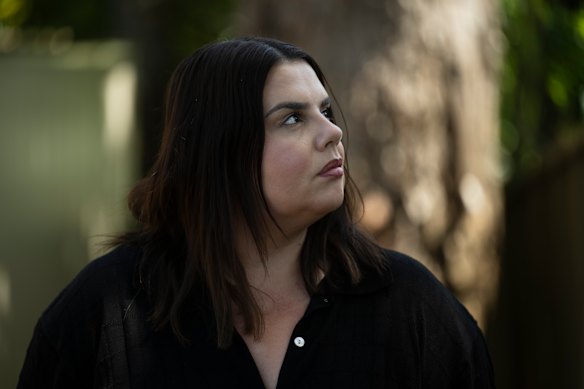
Manell Daewoud has lived with trichotillomania since her teens.Credit: Janie Barrett
Daewoud, who has OCD, says pulling increases when she’s stressed, and compares living with trichotillomania to addiction.
“I actually can’t control it and I get so cranky ... like you don’t want to do it, but you want to do it. And then when I pull, I feel so disappointed and upset with myself,” she says.
The shame and stigma attached to the disorder means she’s kept it a secret for most of her life.
“Up until a few years ago, I’d only ever told two people that I had it,” she says.
Loading
“It does sound a bit f–cked up, right? like, ‘I pull out my hair’… there’s a lot of taboo around it.”
While Talbot acknowledges society may perceive the behaviour as unusual, actually, she says, “the majority of humans engage in some kind of body-focused behaviour,” like nail-biting or even picking a scab. The only difference is, those with a condition like trichotillomania engage with it more frequently, and to an extent that impacts their life.
Daewoud tracks her pulling to help motivate herself and control her urges. It’s been seven months since she last pulled, and she has found fidget toys – that simulate hair pulling – to be helpful, as well as exercise to help her mental health.
Wearing hair extensions also helps with confidence.
While treatment is highly individual, Talbot says it can involve Comprehensive Behavioural Intervention for Body-Focused Repetitive Behaviours (ComB), a therapy that targets the driving factors behind a behaviour (like the toys Daewoud uses, or wearing gloves).
And while there is no specific medication for trichotillomania, if it co-occurs with other mental health conditions, medication for OCD, anxiety or depression may help, Talbot says.
Benjamin says cognitive behavioural therapy is another common treatment method.
Make the most of your health, relationships, fitness and nutrition with our Live Well newsletter. Get it in your inbox every Monday.
Most Viewed in Lifestyle
Loading