3 months ago
57
3 months ago
57
Alexander Cornwell and Jonathan Landay
March 17, 2026 — 6:00pm
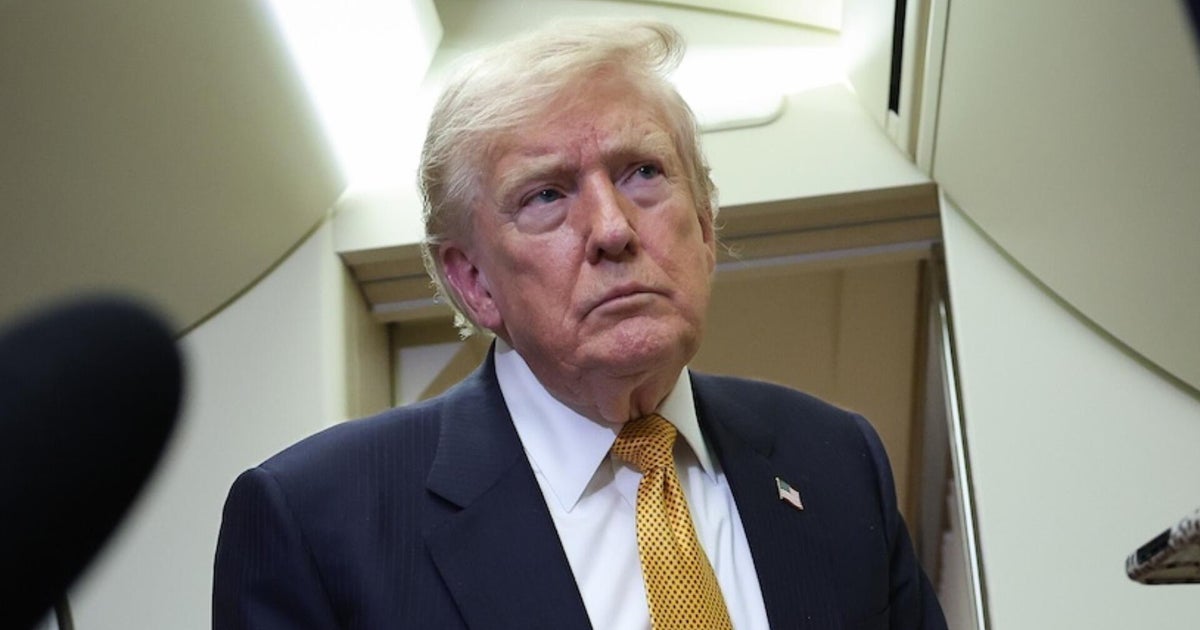
US President Donald Trump has accused some Western allies of ingratitude after several countries rebuffed his demand to send warships to escort oil tankers through the Strait of Hormuz, as Iran continues to target oil facilities in the Gulf.
The pushback from the European nations comes as the Iranian regime continues to hinder traffic on the strategic waterway, through which 20 per cent of the world’s oil and liquefied natural gas flows.
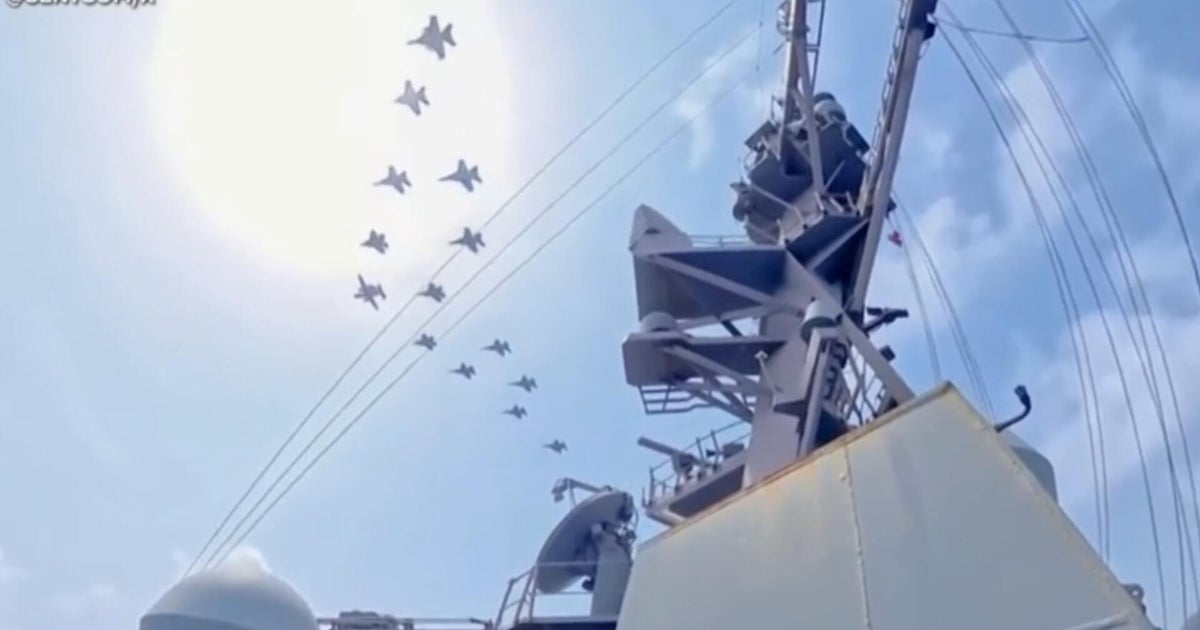
A number of US partners, including Germany, Spain and Italy, have said they had no immediate plans to send ships to help reopen the strait, which Iran has effectively shut with drones and naval mines.
“We lack the mandate from the United Nations, the European Union or NATO required under the Basic Law,” German Chancellor Friedrich Merz said in Berlin, adding that Washington and Israel
had not consulted Germany before launching the war.
With the US-Israeli war on Iran in its third week, the situation at the strait has sent oil prices soaring and raised concerns of rising inflation.
It has also thrown Trump’s foreign policy agenda into chaos, forcing him on Monday (US time) to delay in his scheduled March 31-April 2 trip to meet Chinese President Xi Jinping
“We’ve requested that we delay it a month or so,” Trump said at the White House.
Earlier in the day, he vented his frustration at some long-standing allies of the US failing to enthusiastically back his plans to open up the Strait of Hormuz.
“Some are countries that we’ve helped for many, many years. We’ve protected them from horrible
outside sources, and they weren’t that enthusiastic. And the level of enthusiasm matters to me,” he said at a White House event in Washington.
He said he has had a conversation with France’s President Emmanuel Macron and believed the country was likely to assist in the Strait of Hormuz. He rated Macron an eight out of 10 on cooperation.
“Not perfect,” Trump said. “But it’s France. We don’t expect perfect.”
Trump also rebuked the British Prime Minister Keir Starmer for failing to show leadership, and said the UK’s unwillingness to help defend ships on the route was “terrible”.
“I was very surprised with the United Kingdom. Two weeks ago, I said: ‘Why don’t you send some ships over?’ And he [Starmer] really didn’t want to do it.
”You’re our oldest ally, and we spend a lot of money on, you know, NATO and all of these things to protect you. I mean, we’re protecting them …
“I think it’s terrible... I was not happy with the UK. I think they’ll be involved, maybe, but they should be involved enthusiastically.”
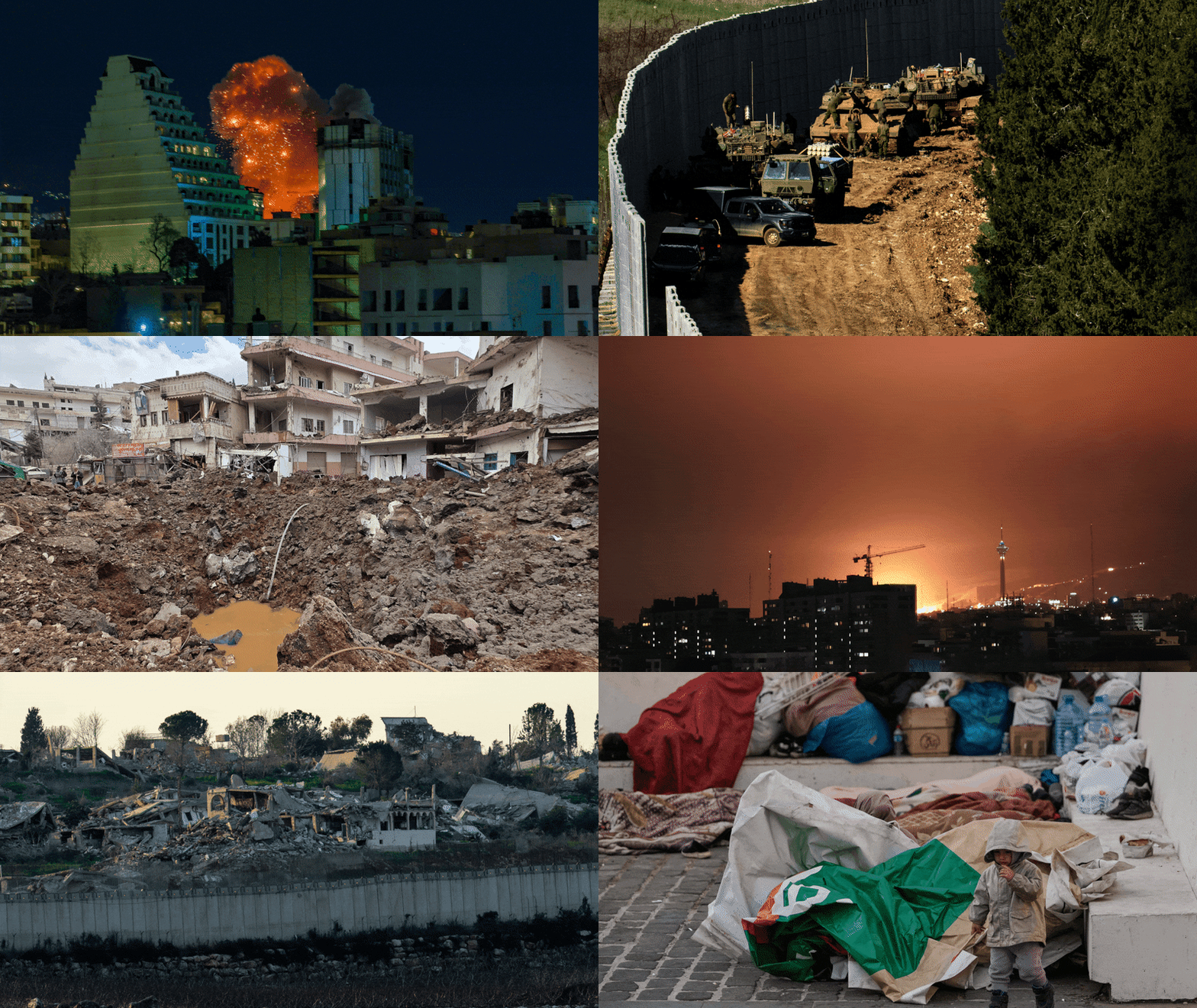
Meanwhile, there has been no let-up in hostilities with both sides continuing to trade blows. The Israeli military has targeted “Iranian regime infrastructure” across Tehran, as well as Hezbollah sites in Lebanon, a day after saying it had drawn up detailed plans for at least three more weeks of war with Iran.
Despite the relentless attacks from the US and Israel, Tehran retains the capacity to carry out long-range strikes.
It has targeted the United Arab Emirates, where attacks forced the temporary closure of airspace, while a drone hit an oil facility in Fujairah, a key port for Emirati oil exports, for a second consecutive day.
Rockets and at least five drones have also targeted the US embassy in Baghdad on Tuesday, Iraqi security sources said, describing it as the most intense assault since the war began. No injuries were reported.
Trump said earlier on Monday that Iran’s retaliatory strikes against its neighbours including Qatar, Saudi Arabia, the United Arab Emirates, Bahrain and Kuwait were a surprise.
“They (Iran) weren’t supposed to go after all these other countries in the Middle East,” he said. “Nobody expected that. We were shocked.”
However, a US official and two sources familiar with US intelligence reports, not authorised to speak publicly, told Reuters that Trump had been warned that attacking Iran could trigger retaliation against US Gulf allies.
The war has killed at least 2000 people across the Middle East since the US and Israel attacked Iran on February 28, including at least 200 children in Iran, according to Iranian Foreign Minister Abbas Araqchi.
Meanwhile, more than 1 million people have been displaced and 880 killed in Lebanon since the outbreak of war more than two weeks ago, the Lebanese government said.
Reuters, with a staff reporter