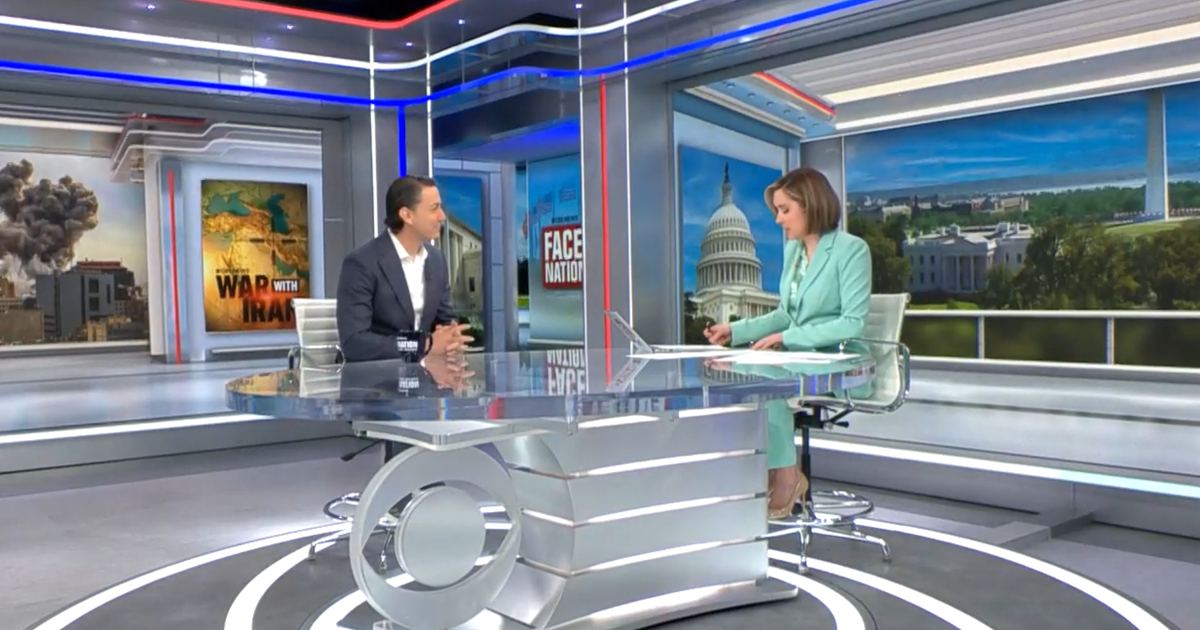
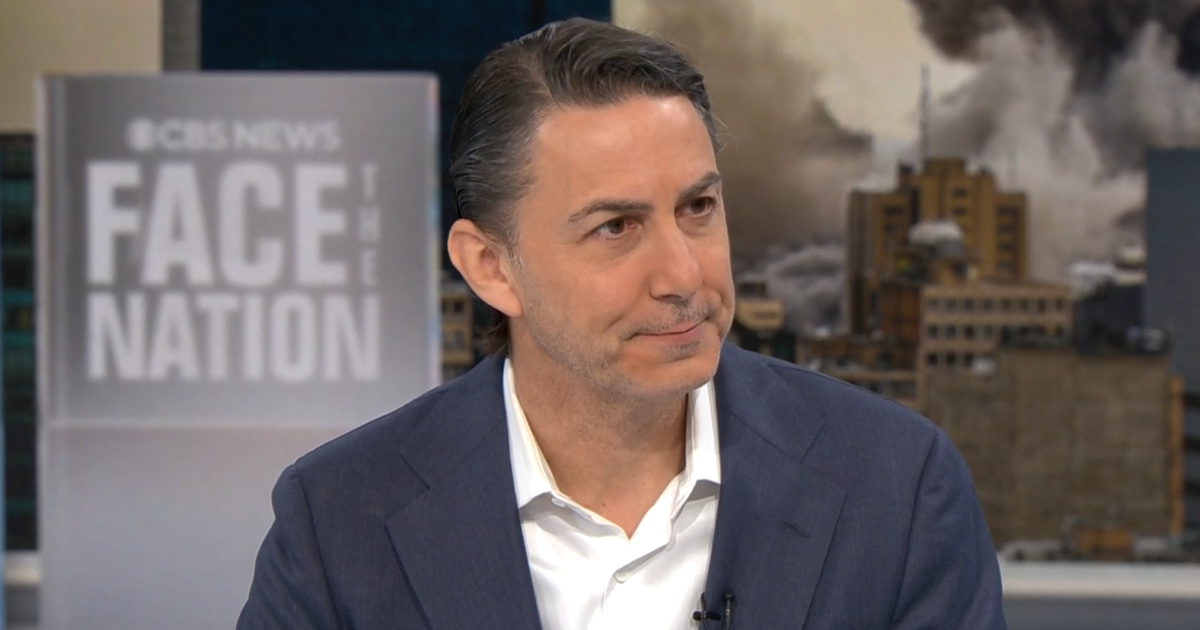
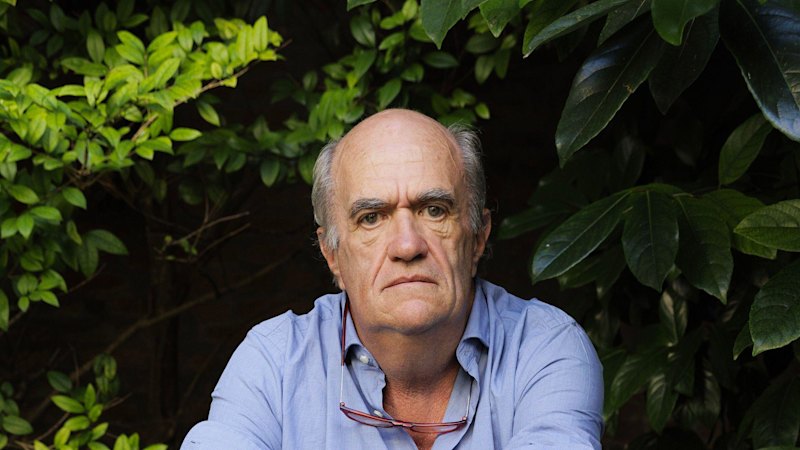
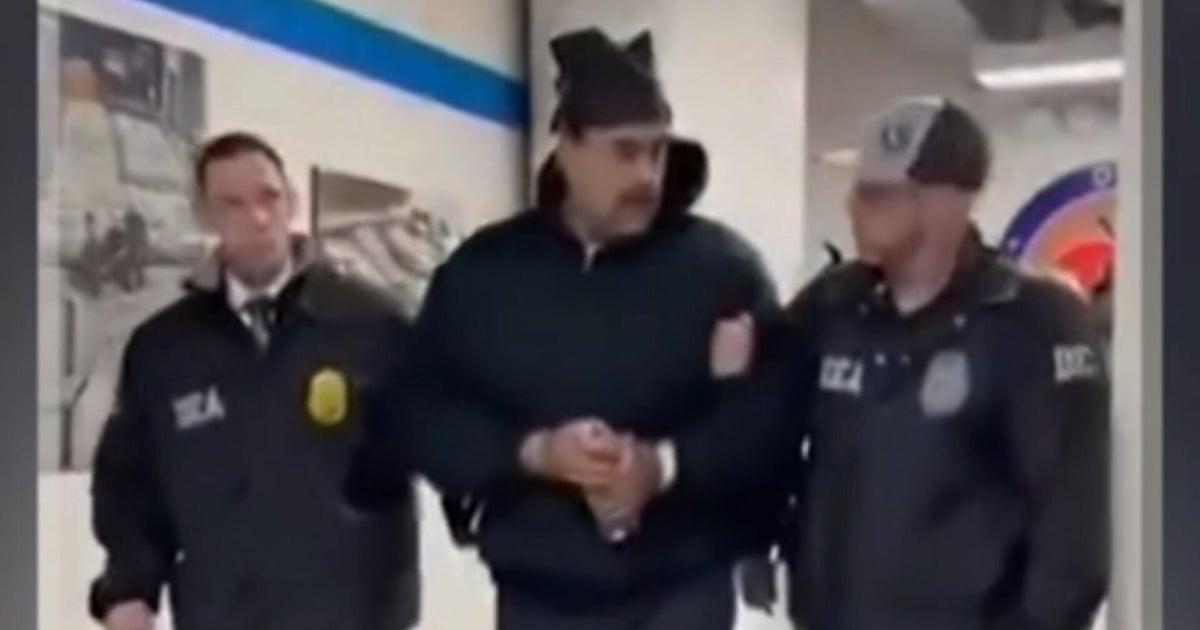
Perhaps no American official has spent more time face-to-face with Venezuelan President Nicolás Maduro than Roger Carstens. Carstens was America's top hostage negotiator in the Trump and Biden administrations. He freed a total of 65 Americans unjustly held in countries including Russia, Iran and Maduro's Venezuela. Yesterday, U.S. forces captured the Venezuelan dictator and his wife. Both are in jail in New York tonight awaiting trial on drug trafficking charges. Over the years, Roger Carstens convinced Maduro to release 20 American hostages — and in that time, Carstens got to know the man who is at the center of the U.S. foreign policy tonight.
Scott Pelley: The administration would paint Maduro as a blood-thirsty drug dealer. Is that the man you knew?
Roger Carstens: I don't think so. And yet-- let me answer that by this way. In one way I could say I'm not naïve to the crimes that were committed by the regime writ large. And if you're the president of a country you of course have responsibility for what's being happen-- what's happening-- in your government. On the flip side, I would say that being the person in the room with President Maduro my job was to get Americans back and that's best done by building a very human relationship. And in doing so I didn't find him to be a blood-thirsty maniac. I found him to be-- a practical person, someone who wanted to find ways to solve the problems-- that was-- were faced by his country.
Scott Pelley: When you first heard that Maduro had been captured what did you think?
Roger Carstens: In a way I wasn't shocked. I think probably as early as August or September in watching the different military moves and the diplomatic moves take place it seemed that unless he were willing to make some sort of deal or accommodation with the United States, I felt that the possibility of Delta Force showing up at 2 a.m. was very real.
Scott Pelley: Do you believe that the Maduro that you met was an international drug dealer?
Roger Carstens: From all the information that I've received I would say no. I think the-- the country clearly touched drugs—and there's information-- I always have to be very-- clear that I might see certain amounts of information and there's always a treasure trove of information that I've never seen or never will see due to classification or compartmentalization.But what I witnessed was not someone who's necessarily hard-core in the drug business. And I'll be interested to see in how the prosecution goes about proving their case.
63-year-old Nicolás Maduro was in power 12 years. In 2024 he lost his reelection bid but remained in power and forced the winner into exile.
Maduro ruled Venezuela's 28 million people as an autocrat, imprisoning his opposition and leaving the economy of an oil rich nation in shambles. Yesterday the U.S. Department of Justice revealed an indictment of Maduro accusing him in a so-called narco-terrorism conspiracy.
Sandy Gonzalez: These investigations aren't easy. They're-- they can be stressful, and they can take up a lot of time. This one ten-plus years.
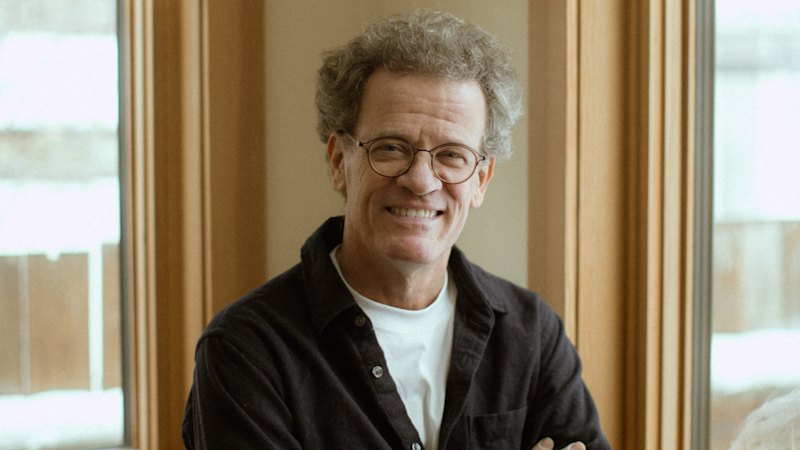
One of the investigators at the center of the case was Sandy Gonzalez. He served 25 years in the Drug Enforcement Administration, part of that in Venezuela and investigating Maduro.
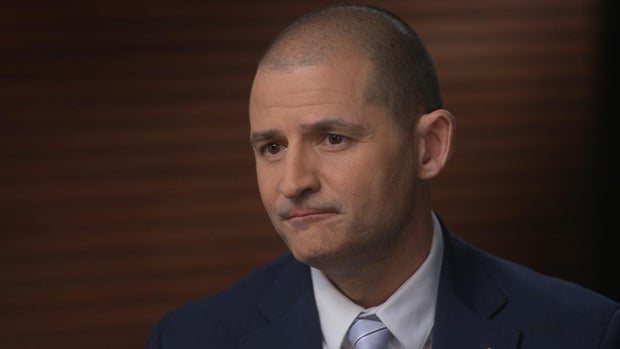 Sandy Gonzalez
60 Minutes
Sandy Gonzalez
60 Minutes
Sandy Gonzalez: Close to 20 years ago, DEA at the Special Operations division started looking at high level drug trafficking in Venezuela. And it eventually led to high-ranking military police officials in Venezuela and ultimately government officials.
Scott Pelley: And Maduro was among them?
Sandy Gonzalez: Yes.
Scott Pelley: What was the most significant evidence against Maduro?
Sandy Gonzalez: It's a state sponsored drug trafficking organization. So, it's a massive conspiracy. And what I mean by that is not everybody is going to be holding the kilos of cocaine. But in a conspiracy you link everybody together. That's part of the chain. Maduro was part of that chain, first as a Minister of Foreign Affairs and then later as a president. So, when you're the president of a country and you are giving the green light to engage in this activity and you're putting people in critical positions, in governors, ministers, heads of agencies and allowing them to carry out these drug trafficking activities, you're just as guilty as the person making the drugs and transporting the drugs.
Scott Pelley: But is it a matter of Maduro simply looking the other way or was he enriching himself from the drug trade?
Sandy Gonzalez: I believe the evidence is going to show he was enriching himself. It was much more than just looking the other way. There was direct involvement.
Scott Pelley: With Maduro now gone, what in your view, changes?
Sandy Gonzalez: So it was a great step. But Maduro isn't the only person in that government that is involved in drug trafficking. There are still several DEA fugitives in Venezuela in positions in that government. The job's just started.
Scott Pelley: Maduro may be gone, but the drug conspiracy remains.
Sandy Gonzalez: Yes.
Also remaining in Venezuela are a few Americans reportedly held in prisons who were not rescued Saturday morning. Former hostage negotiator Roger Carstens told us that Maduro held and tortured Americans who had been arrested for minor offenses.
Roger Carstens: You know-- everyone had a different story. But the bottom line is that they were arrested for something in Venezuela and within a few days they were eventually sent to the intelligence or the military prisons in Caracas. Once in prison, then they were used as leverage by President Maduro in negotiations with the United States. But I can say to my mind and my knowledge and having read all the intelligence, there did not seem to be a concerted program to go find Americans to use them as leverage. It's just that whenever an American was arrested they would end up being used as leverage.
 Roger Carstens
60 Minutes
Roger Carstens
60 Minutes
Scott Pelley: What did Maduro want in exchange?
Roger Carstens: You know, I think initially I wasn't sure that he knew what he wanted. But eventually meeting with President Maduro and discussing what it is that he might want, he settled on person-to-person swaps. There were a few people in U.S. prisons that he wanted to have returned, and that's what we ended up settling on over time.
Scott Pelley: How many Americans are still held there?
Roger Carstens: You know, I don't have the numbers exactly anymore because I'm no longer in the government, but as I understand it four or five.
Scott Pelley: In your view, should they have been rescued during this military operation?
Roger Carstens: I-- I think I would've loved to have seen that. I imagine the-- challenges of conducting a military hostage raid are significant. The advantage of doing it the other night when we eventually-- went to get Maduro is that you've already eradicated the air defense capabilities of the Venezuelan military, you've-- challenged their command and control architecture, so adding on an additional mission of trying to get some hostages out, that might've been doable. But where are they? So, since we may not know where all of them are, you could find yourself having to hit two, three, or four objectives. And now you're taking it to a level of complexity that might've been too much for--that night. It might've been just enough to get President Maduro and then after the fact work on trying to get the release of these remaining Americans.
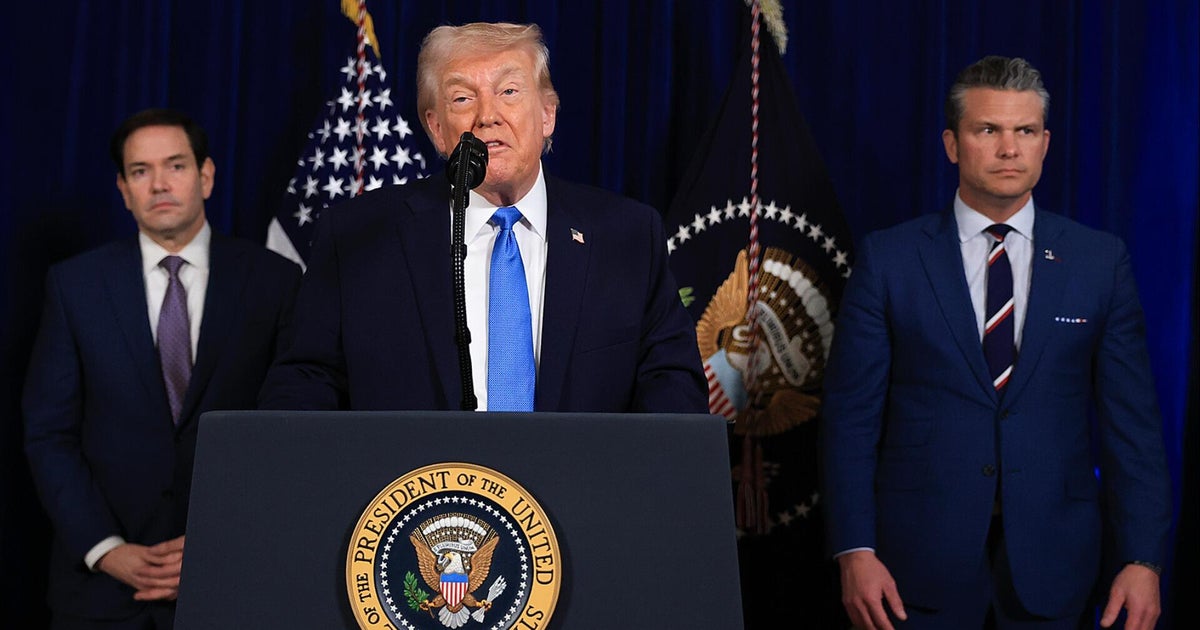
To release any remaining Americans and run Venezuela, the administration is speaking to Maduro's same government, now headed by Maduro's loyal vice president, Delcy Rodriguez. The U.S. did not leave troops on the ground and Venezuela's repressive military, intelligence, and police units are still in place. Yesterday, the president said this about Venezuela's near future.
President Trump (at press conference on 1/3/26): We're going to run the country until such time as we can do a safe, proper, and judicious transitions.
Democrats, including Arizona Sen. Mark Kelly, are asking what's next?
Scott Pelley: Yesterday the President said, quote, "We're not afraid of boots on the ground."
Sen. Mark Kelly: I think right now we run the risk of Venezuelan-- Venezuela for-- falling into some form of, you know, chaos. I mean, who's gonna run the country? Is it Delcy Rodriguez? Is it Maduro's hand-picked person? Or is it a democratically elected leader? We should be on the side of democracy. I mean, we're the good guys here.
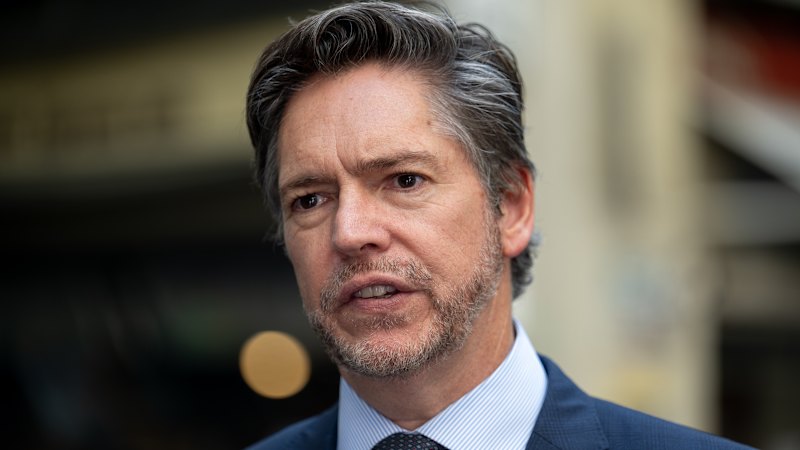
Kelly serves on the Senate Intelligence and Armed Services committees.
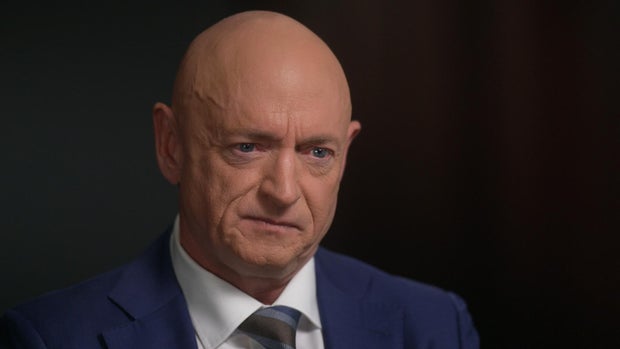 Sen. Mark Kelly
60 Minutes
Sen. Mark Kelly
60 Minutes
Scott Pelley: Isn't removing Maduro good for U.S. national security?
Sen. Mark Kelly: I think having Maduro out of the country now in New York being prosecuted for his crimes is a positive thing. The big question is just what comes next and who winds up in charge in Venezuela? They weren't thinking ahead here. Now they say they're gonna run the country. What does that actually mean? I think this president needs to do a much better job articulating to the American people what is the plan going forward here? And then explain to the American people, what is this really about? Is it about law enforcement? Is it about drug smuggling into the United States? Is it-- is it about regime change? Or is it about what the president said 20 times yesterday, this is about extracting mineral rights, oil from a foreign nation? He hasn't made that clear.
Yesterday, the president said it was about drugs.
President Trump (at press conference on 1/3/26): The illegitimate dictator Maduro was the kingpin of a vast criminal network responsible for trafficking colossal amounts of deadly and illicit drugs into the United States. As alleged in the indictment, he personally oversaw the vicious cartel known as Cartel de los Soles, which flooded our nation with lethal poison responsible for the deaths of countless Americans, the many, many Americans, hundreds of thousands over the years, of Americans died because of him.
In an interview today, President Trump threatened Venezuelan Vice President Rodriguez with what he called a fate worse than Maduro's if she didn't cooperate with the United States. Roger Carstens has negotiated extensively with the Venezuelan vice president.
Scott Pelley: The Venezuelan vice president is now in charge. Her brother is the head of the national assembly. Are these people that the United States can work with?
Roger Carstens: You know when you take a look at Delcy Rodríguez-- she's a lawyer-- lots of international experience, hard-core technocrat. And-- I would say in my meetings with her I found her to be pragmatic and rationable and reasonable.
Scott Pelley: But the vice president has said that she wants Maduro back, wants to have nothing to do with the United States going forward.
Roger Carstens: I have to wonder, is she playing to a domestic audience? Is she playing to an audience made up of the military and the intelligence community of Venezuela? I'm not sure. But what I do know is everyone's essentially gonna and eventually gonna have to deal with the cards that have been laid on the table. And her cards are going to be pretty tough in that the United States right now to my mind has the upper hand and she'll have to have some sort of accommodation.
Scott Pelley: You've known the Venezuelan vice president for a long time. I wonder if you've sent her a message since all this happened.
Roger Carstens: You know, I did pass a message off-- to her and her brother. And the message was simply like, "Look, if you can, find a way, work towards cooperating with the United States." And I think my fear is that if the-- current people in charge really dig in hard-- then the United States, having already eradicated Venezuela's air defense capability and-- shown an ability to degrade their communications modes, and their command and control structures, that it'd probably be very easy for the United States to, you know, rearm, re-up, and then go right back in to grab people. Probably be a harder legal case to make, to do such a thing. But I think the-- the right move for everyone is to just start to work together. And so the message I-- I passed was one of simply saying, "This is a time for tryin' to solve problems. And please be willing to-- and open to working with the U.S."
Produced by Maria Gavrilovic, Aaron Weisz, Nicole Young and Pat Milton. Associate producers, Madeleine Carlisle, Ian Flickinger and Kristin Steve. Broadcast associates, Michelle Karim and Georgia Rosenberg. Edited by Peter M. Berman. Assistant editor, Aisha Crespo