3 months ago
53
3 months ago
53
Some of the largest gender pay gaps in the country are among women’s fast fashion and mid-range apparel retailers, while certain luxury labels and healthcare giants are bucking the trend with women out-earning men.
Forever New and City Chic have some of the largest gender pay gaps in the country, according to figures released this week, with median gender pay gaps of more than 50 per cent in favour of men despite women making up almost the entire workforce (96 per cent), according to analysis of the latest data from the Workplace Gender Equality Agency (WGEA).
That means the typical male at an employer earns 50 per cent more than the typical female working for the same organisation.
The national average gender pay gap in 2024-25 was 16.4 per cent.
While only a minority – about 15 per cent – of the highest earners (top 25 per cent) of the workforce at these retailers are men, nearly all their lowest-paid workers are women.
Forever New, which says it “embraces diversity and inclusion”, did not respond to requests for comment. City Chic, which says it “promotes gender equality and equal opportunity for women” in its supply chain, said the “nature” of the company’s business – “curvy women’s fashion” – meant that only a “limited number of roles” were open to gender diversity.
“With the majority of its personnel being in customer-facing sales roles which, reflective of both the nature of business, and City Chic’s commitment to listening to the customer, these roles are best suited for women. Consequently, males make up only 2.5 per cent of the City Chic workforce,” a company spokesperson said.
Both have made some improvement, narrowing their gaps by 2 percentage points and 6 percentage points respectively from 2023-24 to 2024-25.
Also among the companies with the worst gender pay gaps in favour of men were accessories brand Pandora (40 per cent), Guardian Early Learning Group (29.7 per cent).
Pay gaps at some companies have widened. Budget jewellery retailer Lovisa was among these, clocking in a pay gap of 22.3 per cent – up 2 percentage points over the year.
The jewellery chain is facing a class action brought by Adero Law over accusations it forced hundreds of young women to work for nothing before and after their rostered hours and during lunch breaks. Lovisa said last year it would defend the action.
Luxury labels, healthcare and childcare giants were among the firms with a notable gender pay gap skewed in favour of women.
Fashion designer Carla Zampatti recorded the biggest gap at 15.9 per cent in favour of women, with 84 per cent of its top-earning quartile of workers being women.
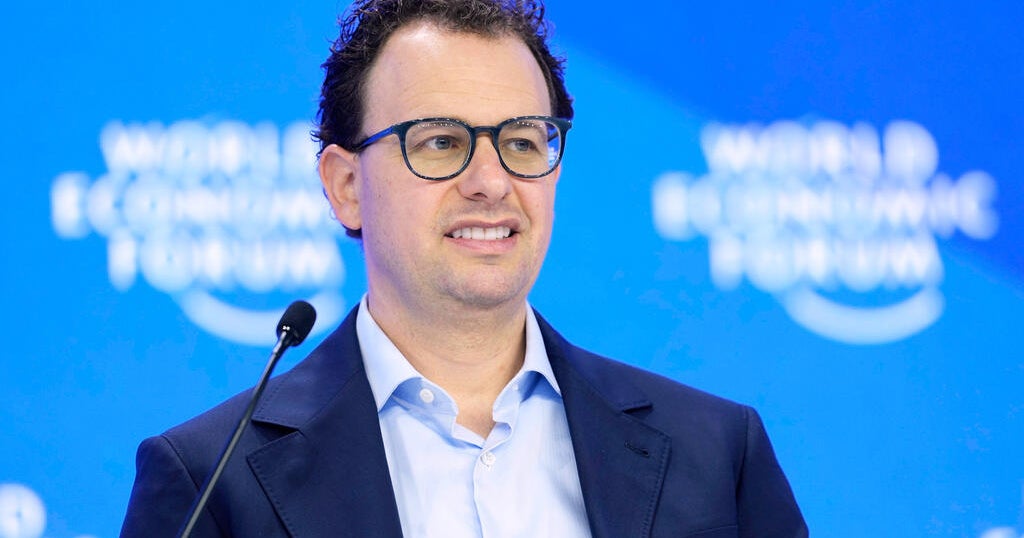
Carla Zampatti chief executive Alex Schuman said women’s empowerment was “deeply embedded” in the company’s DNA and that he aimed to spread the same mindset to other firms.
“There’s no good reason why other companies can’t do it,” he said. “They’re probably overlooking some outstanding female candidates. For example, there’s no more strident employee than a recently returned mother.”
Compared with companies such as Forever New and City Chic, the firm also employs a significantly larger share of men – 31 per cent – within its lowest-paid quartile.
Schuman said that while most retail staff – often among the lowest paid workers – are women at Carla Zampatti, there was also a substantial number of lower-paid men hired for physical jobs such as warehousing because of the company’s largely domestic production.
Louis Vuitton brands including LVMH Watch & Jewellery and LVMH Fashion were also among the companies with substantial pay gaps in favour of women at 15.1 per cent and 11.8 per cent respectively.
Healthcare behemoths Ramsay Healthcare and Healthscope, and childcare company Goodstart Early Learning also had women out-earning men, with pay gaps of 7.6 per cent, 9.3 per cent and 0.8 per cent respectively.
A Healthscope spokesperson said the company took gender pay equity seriously, promoting and developing talent from within the organisation and continually striving to improve. “This focus has helped us to perform strongly in these metrics in a female-dominated industry,” they said.
A spokesperson for Goodstart Early Learning said the improvement in its gender pay gap was a result of decisions such as a historic high pay increase for its educators in 2023, leadership development training and improved leave policies, which have led to strong staff retention and more women moving into senior leadership roles.
Companies with the biggest improvements in gender pay equality in 2024-25 include clothing retailer Country Road, which narrowed its gender pay gap by 16 percentage points to 8.6 per cent, and hat-maker Akubra, where the pay gap swung from being 7.9 per cent in favour of men to 4.3 per cent in favour of women.
Companies that slid backwards include make-up giant Sephora, where the gender pay gap swung from 5.9 per cent in favour of women to 7.1 per cent in favour of men, and fashion designer Camilla and Marc Operations, which recorded a substantial tilt from 14.7 per cent in favour of women to 24.6 per cent in favour of men.
The Business Briefing newsletter delivers major stories, exclusive coverage and expert opinion. Sign up to get it every weekday morning.