3 months ago
33
3 months ago
33
Graham FraserTechnology reporter

 Reuters
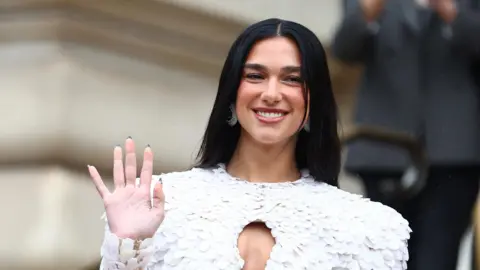
Dua Lipa is one of many artists who was angered by the government's plans
The UK government has backtracked on its position on copyright and AI, stating it must take time to "get this right".
Its original position - allowing AI companies to use copyrighted works to train their models with an opt-out option - received major backlash from the likes of Sir Elton John and Dua Lipa.
"We have listened," Technology Secretary Liz Kendall said on Wednesday, saying the government no longer favours that approach.
However, the government's position is now unclear, saying it "no longer has a preferred option" for what to do next.
Kendall said the government had "engaged extensively" with people in the creative and AI industries.
It is attempting to balance the interests of the two sectors by giving creatives "control how their work is used", while recognising AI models need to be trained on work such as writing, music and video.
In a separate impact assessment, it recognised the contributions both the creative sector and the AI industry make to the UK economy.
The assessment said UK culture is a "world-leading national asset", while the AI industry is growing "23 times faster than the rest of the economy".
The technology secretary's announcement followed a consultation on the issue, which concluded the government's initial plan was overwhelmingly rejected by the creative sector.
But there was no firm conclusion on what happens next, with the government saying it would not reform copyright laws "until we are confident that they will meet our objectives for the economy and UK citizens."
Watch: Sir Elton John spoke to the BBC's Laura Kuenssberg about the issue of AI and copyright in May last year
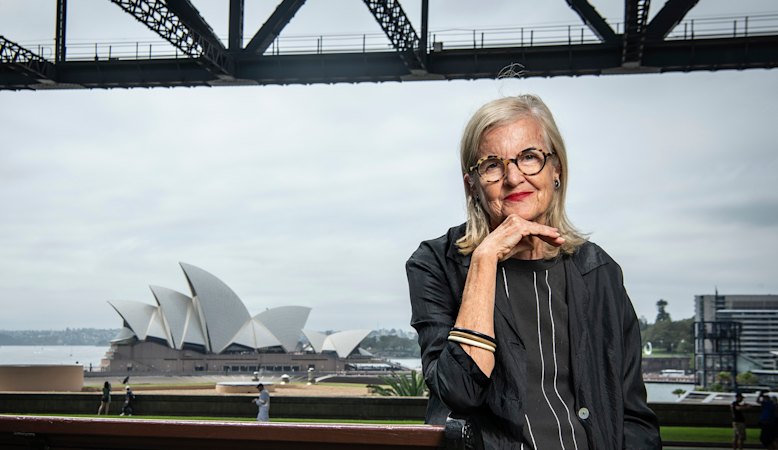
Mandy Hill, president of the Publishers Association, said the backtrack was a victory "over the self-interest of a handful of large corporations".
However, Hill said the government has not entirely ruled out allowing tech companies to use copyrighted content to train AI models without a license.
"The existing law is clear," she added. "Copyright material cannot be used for AI development and training without permission."
Anthony Walker, deputy chief executive of Tech UK, said getting the balance right is critical.
"The UK has set its sights on leading the G7 in AI adoption, but that requires a clear and enabling framework for AI innovation," he said.
"With international competitors moving ahead, the UK cannot afford for this to remain unresolved."
The issue of AI and copyright continues to be controversial.
Last year, some of the highest profile British artists - along with peers in the House of Lords - wanted an amendment to the government's Data (Use and Access) Bill.
It would have forced tech companies to declare their use of copyright material when training AI tools.
Without it, it was argued, tech firms would be given free rein to help themselves to UK content and train their AI products to mimic it - putting human artists out of work.
Sir Elton, in an interview with the BBC, compared it to "committing theft, thievery on a high scale".
However, in June last year, the government refused the amendment and the wide-ranging bill was passed.