3 months ago
19
3 months ago
19
Full speed ahead with Ukraine war supplies as Australia receives Trump’s AUKUS report card
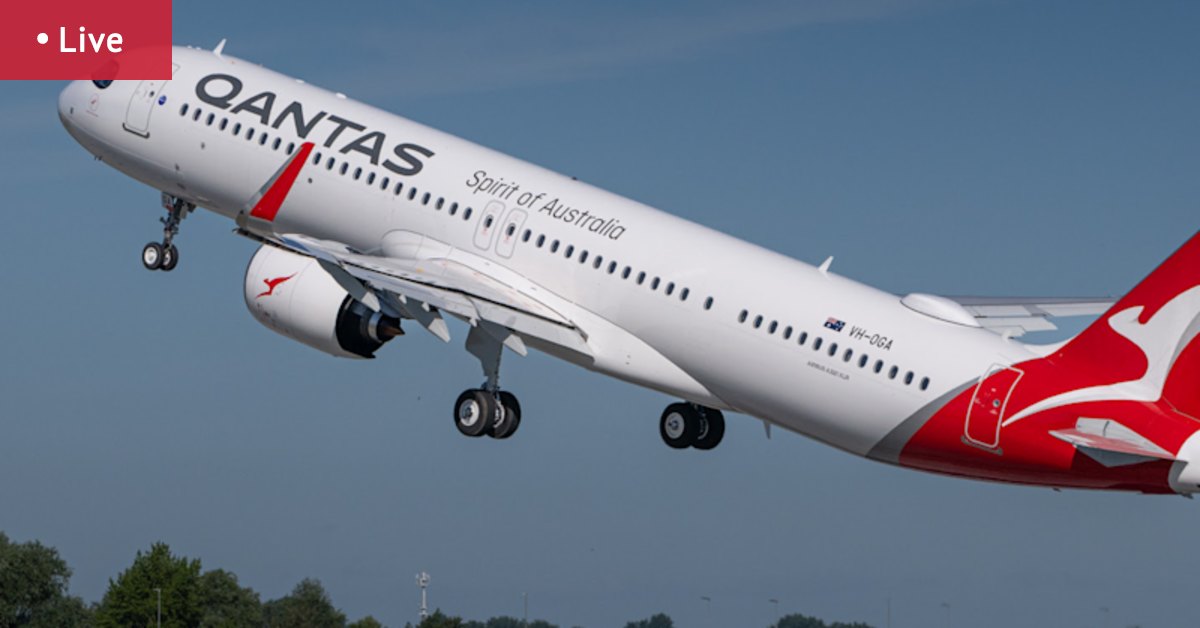
The retirement of the army’s fleet of Tiger attack helicopters could be fast-tracked as the Albanese government confirms it wants to send military aircraft to Ukraine for the first time.
The government has also received a copy of a high-level Pentagon review into the AUKUS pact ahead of high-level talks next week between Foreign Minister Penny Wong, Defence Minister Richard Marles and their Trump administration counterparts to fine-tune details of the nuclear submarine pact.
This masthead revealed earlier this week that the Albanese government has offered to provide Tiger attack helicopters to Ukraine as it seeks to make amends for the much-criticised decision to dispose of the fleet of Taipan helicopters instead of sending them to the battlefield.
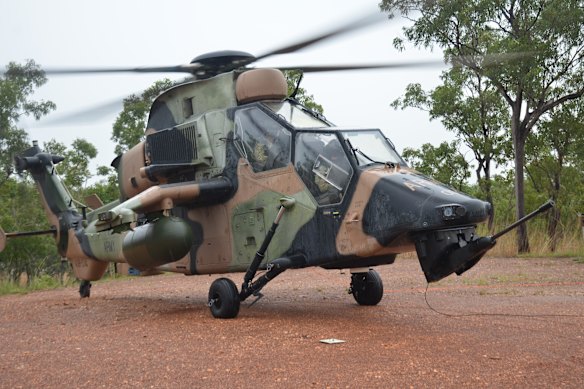
The Australian Army’s ARH Tiger helicopter could be headed to Ukraine to help defend against Russia’s invasion.Credit: Tadek Markowski
Defence Industry Minister Pat Conroy said on Thursday: “To give you an idea of the discussions around the [Tiger] armed reconnaissance helicopter, the deputy prime minister and I approached the Ukrainian government asking if they would be interested in receiving the outgoing reconnaissance helicopters.
“We have received indication that they are, so now we will make a formal decision very shortly. I want to emphasise that gifting to Ukraine is our top consideration.”
Loading
Asked when the helicopters could realistically be transferred to the Ukrainian army, Conroy said: “They are due for retirement from service at the end of next year, but I’ll be frank with you – if Defence makes the case to us for early retirement to give them to Ukraine, we would strongly consider that.”
Airbus, the European defence firm that makes the helicopters, describes the Tiger as “ideal for armed reconnaissance, air or ground escort, air-to-air combat, ground-fire support, destruction, and anti-tank warfare”.
The Ukrainian-Australian community was aghast last year when the retiring fleet of Taipan helicopters was dismantled, stripped for parts and buried rather than given to Ukraine.
Asked whether the government was seeking to atone for that decision, Conroy said: “I think we’re learning as we’re going about how best to support Ukraine.”
Government insiders have privately blamed Defence for the Taipan snafu, saying it was not the government’s decision to dispose of them.
Former army chief Peter Leahy applauded the idea of providing Tiger helicopters to Ukraine, describing them as “nimble” aircraft that can be used for surveillance, reconnaissance, battlefield transport and medical evacuations.
“Ukraine needs help, and any extra firepower we can give them will be gratefully received,” said Leahy, who led the army from 2002 to 2008.
The government on Thursday announced a $95 million package of military assistance to Ukraine, including a $50 million contribution to a NATO-led initiative that purchases weapons from the US for Ukraine.
The government also imposed sanctions on 45 vessels in Russia’s “shadow fleet” of oil tankers and other vessels in a bid to stop the flow of fossil fuel revenue flowing to the Putin regime.
Conroy said the government was working closely with partner nations in Russia to crack down on loopholes allowing Russian-origin oil to enter Australia via intermediary countries.
“I will remind all private-sector entities to make sure the oil they are buying is not sourced from Russia,” he said.
“I think they can do better. We’ve said that to them, and we’re going to drive them very hard. We’re lifting our efforts, and they need to lift theirs.”
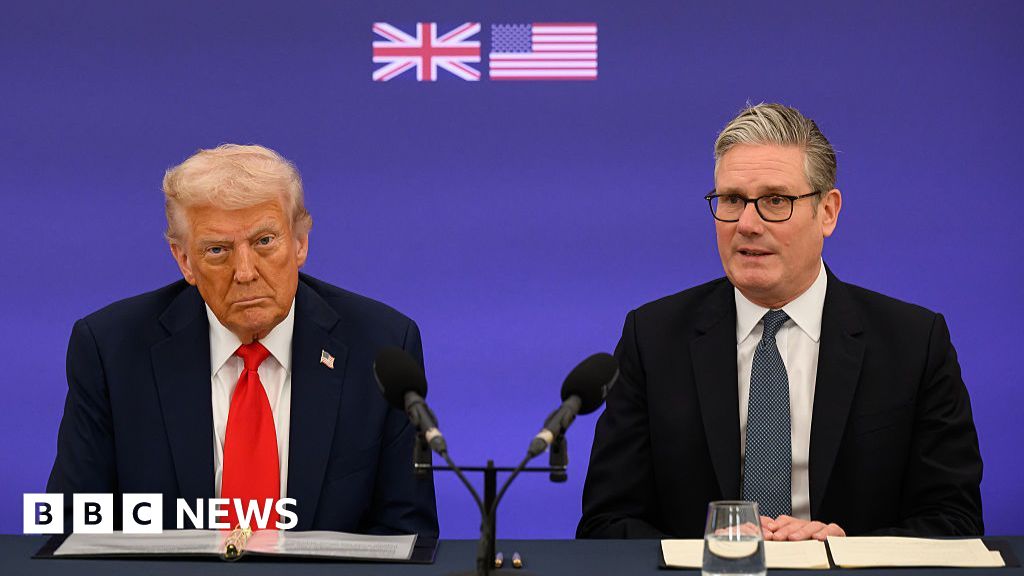
While US President Donald Trump said AUKUS was “full steam” ahead during his October White House meeting with Prime Minister Anthony Albanese, the government has been keenly awaiting the verdict of a review helmed by a critic of the pact, Elbridge Colby, the under secretary of defence for policy.
The Pentagon launched a review of AUKUS in June and, in briefings to reporters, raised concerns about whether the agreement suited “America First” interests or was feasible. That included questions over whether the US was producing enough nuclear-powered submarines to sell them to Australia, and how Australia would use them in the event of a conflict with China.
Marles told reporters on Thursday that he was “in receipt of the AUKUS review now”.
“We’re working through the AUKUS review, and we very much thank the United States for providing it to us,” he said. “What’s really important here is the United States is completely supportive of AUKUS, as the president of the United States made clear.”
The review could recommend changes to the way the nuclear-powered program operates.
Wong and Marles will meet with US Defence Secretary Pete Hegseth and Secretary of State Marco Rubio in Washington next week for the first annual Australia-US Ministerial (AUSMIN) meeting since Trump’s return to office.
Most Viewed in Politics
Loading