3 months ago
40
3 months ago
40
Faisal IslamEconomics editor

 Getty Images
There is nothing like being asked to explain to the British public on Nicky Campbell's Five Live show why missile attacks on an Iranian oil field create a domino effect, reverberating in the mortgage markets.
When you hear directly from farmers rationing their red diesel or homeowners having their mortgage offers pulled, it brings the charts and the numbers to life.
Not a single molecule of Iranian gas is exported to the UK, so the speed of these shockwaves is astonishing, for someone who has been covering efforts to control inflation for over a quarter of a century.
I have just emerged from the Bank Of England where I interviewed the governor on behalf of broadcasters. The bottom line is the Bank did not cut interest rates, as was the clear expectation before the war started. Inflation will not now fall to the 2% target, as was also expected before the war.
The Bank's forecasters said inflation could reach 3.5% in the coming months on the basis of Wednesday's oil and gas price. If Thursday's spike in oil and gas prices is sustained it could go much higher.
The markets convulsed upon reading the Bank of England's decision to put rates on hold. Long-term interest rates on UK government debt surged, indicating investors were betting the Bank would raise rates two or even three times this year. It seemed like an overreaction.
But the near-term trajectory for the UK economy could completely flip as a result of these events thousands of miles away.
There were signs, even as late as Thursday morning's jobs figures, of corners that were about to be turned - if it weren't for the energy price shock. Interest rate cuts and falling inflation were part of that picture.
That is not going to happen, as the governor said, pointing to inflation not now set to hit its target. Clearly inflation will be higher, as gas prices in particular are passed on to households, especially in July. The question is, how high will inflation go, and how much economic damage will be caused?
In my chat with the governor he was at pains to say markets were "getting ahead" of themselves in assuming multiple rate rises.
"I would caution against reaching any strong conclusions about raising interest rates," he said.
"Today we've given a very clear message. The right place to be is on hold."
He said the Bank would look at the extent and severity of the conflict "carefully, continuously".
He also tried to reassure the public that this was not a repeat of the energy shock of 2022 when Russia invaded Ukraine. Rates were already higher than back then, and, he suggested that although inflation would be higher than had been expected, it was not as high as the double-digit shock suffered four years ago.
"The context is actually very different. I don't expect inflation to go up in that way," he told me.
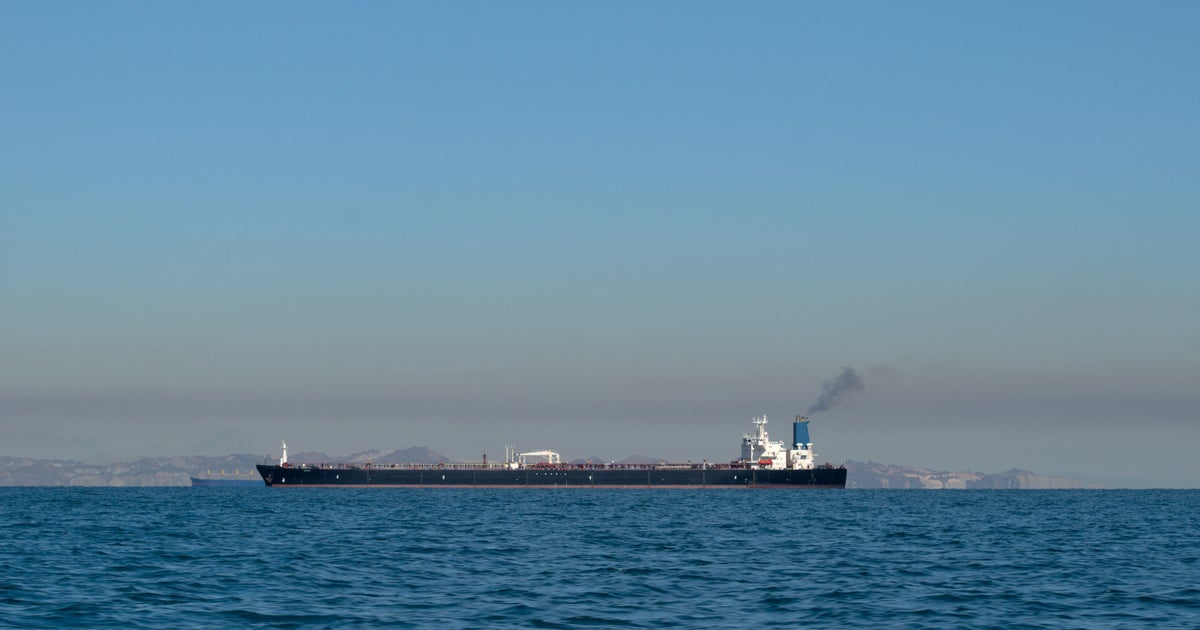
Saying that the Bank is in "wait and see" mode, is an understatement. Raising or cutting interest rates will not fix Qatar's gas facilities, or unblock the Strait of Hormuz. So, like the rest of us, it is waiting to see what on earth will happen in the six weeks before its next meeting at the end of April.
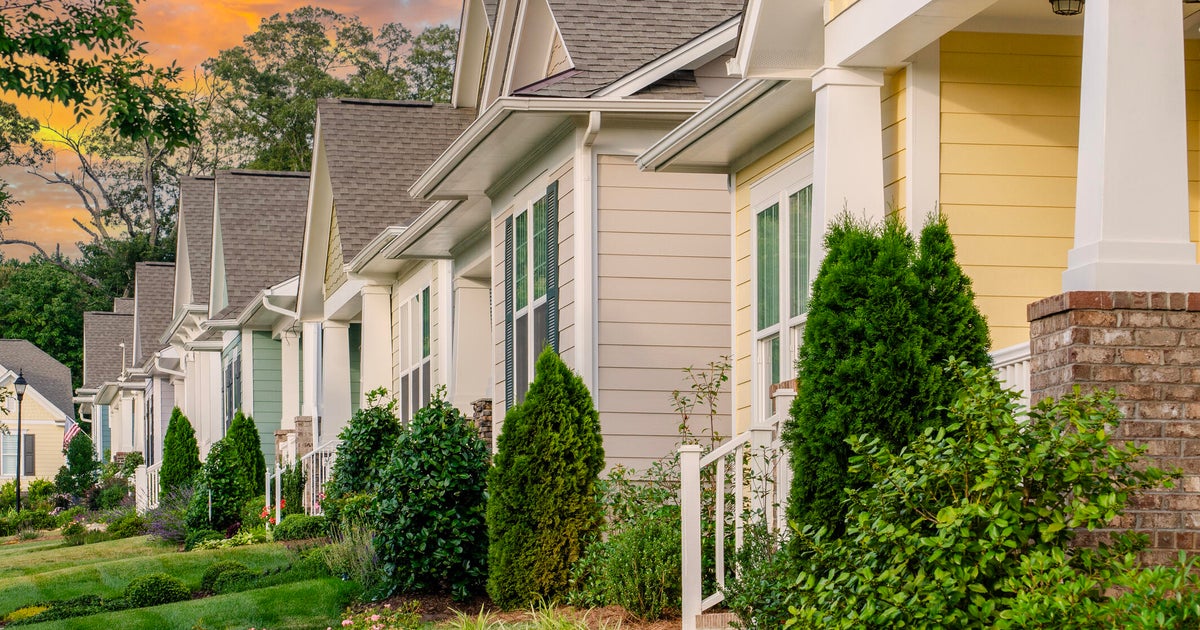
The war has already in just three weeks overturned what was a probable rate cut, sent inflation off course, yanked up the effective interest rates paid by government, and led to a fundamental repricing of fixed-rate mortgages, with an impact on some parts of the housing market.
No surprise that the governor, and the chancellor, are calling for de-escalation.