3 months ago
19
3 months ago
19
Customers have come to expect Black Friday bargains, but with small businesses increasingly struggling to compete with big retailers, some entrepreneurs say they dread the loss-making “bloodbath” sales event.
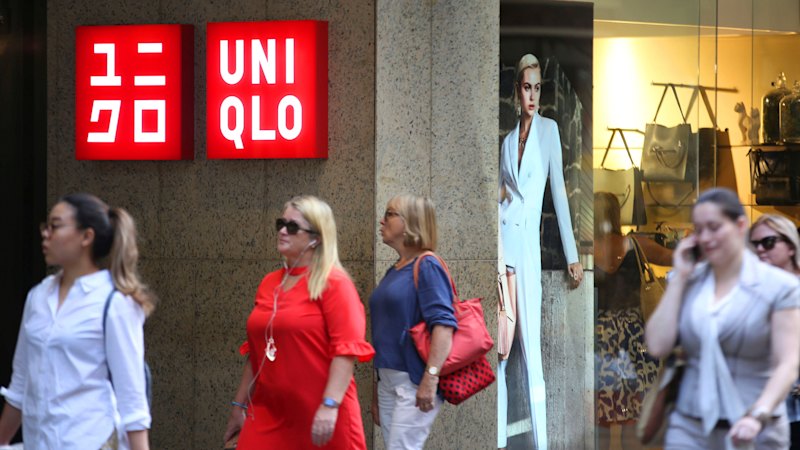
As Black Friday, which officially took place on November 28, continues to evolve from a US-imported sales day to a month-long discounting war in Australia that has outgrown Boxing Day, customers are tweaking their spending habits throughout the year in expectation of significant deals in the month leading up.
About six million Australians were expected to spend nearly $7 billion over the four days between Black Friday and Cyber Monday three days after. However, across the whole of November, Australians were estimated to spend up to $39 billion.

Sarah James, founder of small business The Sensory Specialist, took a stand against Black Friday sales this year.Credit: Simon Schluter
The evolution of Black Friday into a highly orchestrated month of retailers blasting customers with a range deals has shaped shoppers’ approach. Research from Monash University’s Business School conducted in October found that 59 per cent of Australian consumers planned to take advantage of sales promotions this Black Friday.
It also found 50 per cent of Australian consumers “expect significant savings” from the event, and 43 per cent plan to purchase gifts, including for Christmas. The attitude shift has led to record numbers of Australian shoppers, 47 per cent, beginning their Christmas shopping more than one month in advance.
Loading
“Aussie shoppers are becoming increasingly savvy and are using sales events to their benefit,” said Stephanie Atto, author of Monash’s Australian Consumer and Retail Studies report.
Shoppers may have come to expect big discounts throughout November but many small businesses have struggled to meet those expectations.
Recent data from the Council of Small Business Organisations Australia shows 60 per cent of owners could not pay themselves at least occasionally, while one quarter dip into personal savings to stay afloat. As a result, Black Friday can pose a dilemma.
“Small business is experiencing significant stress at this time and this contributes to their inability to offer significant discounts offered by others,” said COSBOA chairman Matthew Addison. “[They] endeavour to be considerate of their customers all year and hence keep their margins tight.”
This year, some small businesses are boycotting the event.
Sarah James, whose business The Sensory Specialist sells NDIS-approved toys and play equipment for children and others struggling with sensory issues, including its own line of products it manufactures, said taking part in Black Friday can be a “bloodbath”, but equally, abstaining can mean once loyal customers instead shop with competitors.
“It used to be a four-day window from Black Friday to Cyber Monday, but now we’re seeing brands begin their sales in late October, which creates sales fatigue and exhausts small businesses with this constant pressure to compete in the discounting,” James said.
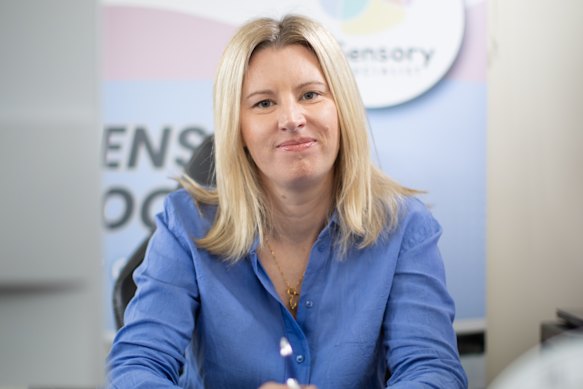
Sarah James, founder of The Sensory Specialist, says Black Friday has become a “bloodbath” for small businesses like hers. Credit: Simon Schluter
“The discounts are getting more aggressive. I’ve seen up to 70 per cent off, and shoppers now wait for such discounts,” James said. “It devalues products and forces small businesses into dangerous territory.”
Customers now contact the company to check when and if a product will go on sale. “These retailers have trained people to expect sales. I’ve had customers emailing me and saying ‘we want this item, when is it going on sale?’.
Loading
“They’re not interested in it unless it’s going on sale. The response from most of them is they’ll go somewhere else where they’re discounting it.”
James has even seen products from the core line she manufactures, which she sells on to larger retailers such as Bunnings, Chemist Warehouse and Baby Bunting advertised at prices well below what it costs her to manufacture and import.
“It’s got to the point where I can’t even purchase these items at the prices they’re being sold to customers,” she said. “There’s definitely a lot of undercutting going on, and it isn’t just bad etiquette; it’s financially devastating for those doing the right thing.”
James has taken a stand against Black Friday, largely boycotting any sales on The Sensory Specialist website, outside a few modest discounts on excess stock from her core line.
She has noticed each year, as Black Friday sales start earlier, purchases on her store, which aren’t discounted, have weakened compared to previous Novembers.
While James understands that consumers are increasingly price conscious given inflation, ultimately, an attitude shift is required or else small businesses will continue to suffer each Black Friday.
“The sales themselves aren’t the enemy. It’s the reckless discounting that’s the problem. These constant deep cuts undermine your brand and train the customer not to trust the full price,” she said.
“It’s been a brutal year in retail. I understand businesses are desperate and are just trying to stay afloat but we just don’t have the means to keep up with the big guys.”
The Business Briefing newsletter delivers major stories, exclusive coverage and expert opinion. Sign up to get it every weekday morning.
Most Viewed in Business
Loading