3 months ago
44
3 months ago
44
Updated March 8, 2026 — 1:25pm,first published March 7, 2026 — 10:25am
THEATRE
Year of the Rooster ★★★★
fortyfivedownstairs, until March 22
Indie artist collective Spinning Plates Co made a splash with what has become known as The Beast Trilogy. The company kicked off with a biting adaptation of Dostoevsky’s bureaucratic satire, The Crocodile (2023), and continued through a bouffon-style take on the absurdist theatre classic, Rhinoceros (2024). Now the final instalment, Olivia Dufault’s The Year of the Rooster, takes the stage in a cockfight of epic proportions.
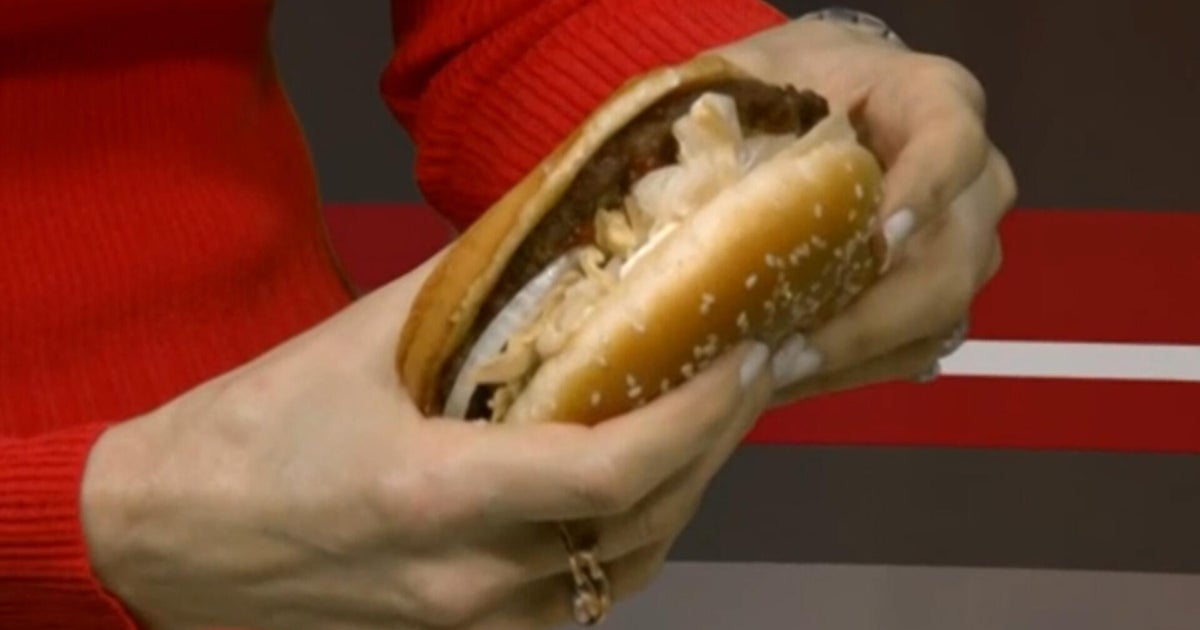
You read that right. It’s a play about cockfighting. The hero, Gil (Jessica Stanley), is an unlovely drudge at an Oklahoma McDonald’s. He still lives with his disabled Mother (Natasha Herbert), and gets regularly emasculated by a girlboss manager (AYA) with a Disney cosplay obsession. So far, so incel.
But Gil has an outlandish plan to go from omega to alpha male. He’s raising a monster rooster named Odysseus Rex (Zachary Pidd) that he’s pumped full of ’roids, fed on chicken nuggets, and turned into a beefcake through daily training.
Odysseus is a killing machine. Will it be enough to defeat the reigning champion – a blind assassin of a rooster, raised by despicable cockfighting impresario, Dickie Thimble (James Cerché)? And will Gil finally be respected if he owns the biggest cock in town?
Well, the play might technically nod to Homeric epic, but it’s the ridiculous, rather than the sublime, that dominates in this supersized satire of masculinity and McMisery in contemporary America.
Director Alexandra Aldrich pumps the action to bursting with grotesque gender caricature, and together with Dann Barber’s outrageous costuming, the show struts and swaggers with vicious glee into a camp takedown of the delusive manospherics underpinning Trump 2.0.
It’s closer to the subversive comedy of disgust in Taylor Mac’s Hir, or even the Russian futurist opera Victory Over The Sun, than it is to anything in Homer. The only thing mythic here is the level of comedy the cast achieves.
The performances reveal with painful hilarity the dehumanising power of patriarchy: Pidd plays a tormented killer chicken in a hyper-jacked muscle suit, armed with Rambo knives, as if it were the role of a lifetime.
Stanley is winning as the hapless, mock-heroic loser at the centre of the play, and Cerché is brilliant in an awful way as the slimy misogynist nemesis – complete with gold tooth, black cowboy hat, and an enormous rhinestone-studded codpiece. And both AYA and Natasha Herbert revel in lampooning toxic views of femininity.
One chicken sex scene – featuring AYA as a hormone-riddled, hyper-femme specimen raised at a McDonald’s farm – is so absurd a gender parody that it proved impossible for anyone in the room to keep a straight face.
It’s unforgettable theatre and a savage, hideously stylish conclusion to a justly acclaimed project. I can’t wait to find out what this company does next.
Reviewed by Cameron Woodhead
OPERA
Mary Motorhead/Trade ★★★★
Malthouse theatre, until March 13
On the morning of the Australian premiere of Mary Motorhead/Trade, opera singers across the globe woke to an unexpected diss from one of Hollywood’s biggest names.
Timothée Chalamet, in conversation with fellow actor Matthew McConaughey, said he didn’t want to be working in, “ballet or opera where it’s like, ‘Hey, keep this thing alive, even though no one cares about this anymore’.” Cue the horned helmets – opera singers and companies came out swinging, thousands of posts and videos filled social media showing packed houses with protestations decrying Chalamet’s comments.
This Irish double bill by composer Emma O’Halloran is about as far from the powdered wigs and screeching sopranos of Chalamet’s imagination, as it could possibly get.
Motorhead is a 30-minute, one-woman show, set in a place Dubliners sardonically call, “The Joy”, Mountjoy Prison, where we hear a young woman’s sorry tale of how she ended up stabbing her boyfriend in the head. Trade focuses on a transactional relationship between Older Man and Younger Man, who meet for sex in a seedy hotel room. Both operas were originally plays by the composer’s uncle, Mark O’Halloran.
Between the subject matter, the close proximity of the performers and the amplified chamber ensemble (including electronica) the intensity never lets up. There are no attempts at levity, each character traverses a deeply unsettling past, arriving at an apex of explosive rage or acute pain.
The Australian Contemporary Opera Company has assembled an all-Australian trio of singers for each of these tremendously difficult, Irish-accented roles. It’s a fickle one to nail, with its distinctive broad and slender vowels, and was inconsistent across the board.
Emily Edmonds is commanding as the unhinged Mary. The climactic moment where she exclaims she “split him open” is felt viscerally. Despite Mary’s relentless fury, Edmonds’ beautifully even and coloured mezzo still shone through, though in wild outbursts.
Tenor Callum McGing as Younger Man has a lot of one-word lines, though he makes the most of a brilliant countertenor-like quality he possesses when afforded the opportunity. His insecurity and brokenness were thoroughly believable.
Seasoned baritone Christopher Hillier gives the performance of his career as Older Man. This is a singer with supreme command of his voice; sometimes cold and dark, then evoking a burnished melancholy or desperate fragility at others. The scene unfolds in a profoundly unnerving manner; Hillier was visibly exhausted when it was finally over. It was exhausting just watching it.
Irish conductor Elaine Kelly has now premiered these works across three continents, and her expert hand seamlessly weaves techno with chamber ensemble, including saxophone and electric guitar. O’Halloran’s scores are a coup for contemporary opera.
Mozart might not be for our aforementioned motormouth actor, perhaps someone could convince him to try Mary Motorhead instead.
Reviewed by Bridget Davies
The Booklist is a weekly newsletter for book lovers from Jason Steger. Get it delivered every Friday.