3 months ago
53
3 months ago
53
Stan Choe
Updated March 19, 2026 — 6:09am,first published 5:06am
US stocks are sinking after another climb for oil prices raised worries about inflation, while Federal Reserve chief Jerome Powell warned of the uncertain effects of the Middle East conflict as the central bank kept interest rates on hold.
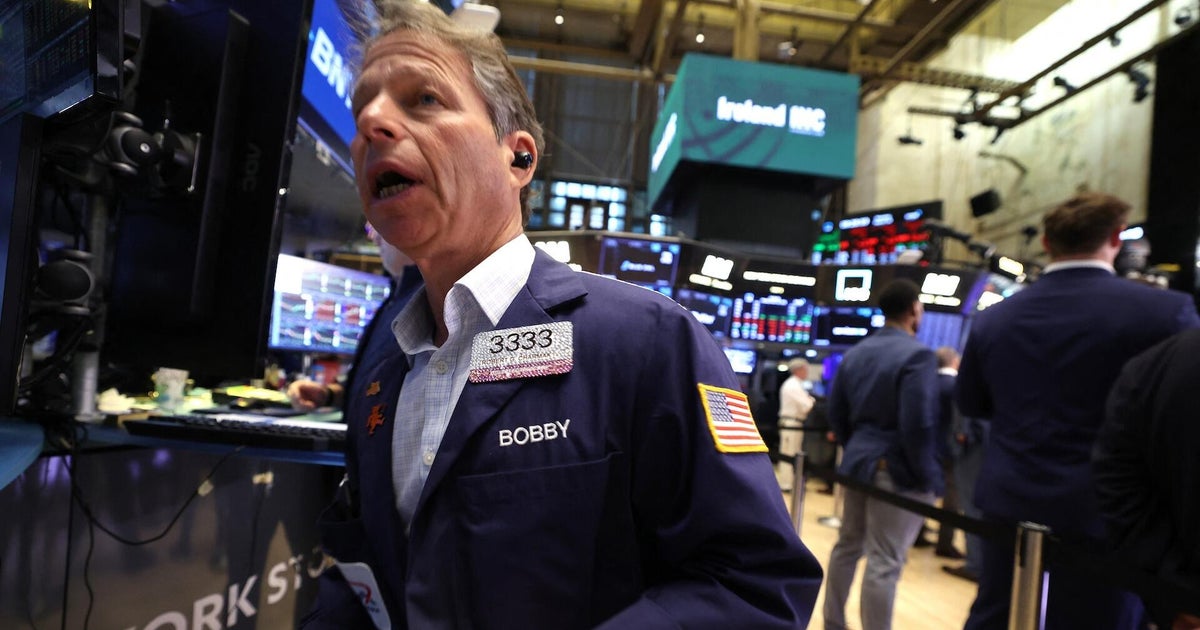
The S&P 500 fell 0.9 per cent and was on track for its first loss this week. The Dow Jones was down 660 points, or 1.4 per cent, and the Nasdaq composite was 1.2 per cent lower. As expected, the Federal Reserve held interest rates steady and projected higher inflation, steady unemployment and only a single rate cut for the year as officials took stock of economic risks from the US and Israeli war with Iran.
The Australian sharemarket is set to decline, with futures pointing to a loss of 125 points, or 1.4 per cent, at the open. The ASX edged higher on Wednesday. The Australian dollar was trading at US70.54¢ at 6.08am AEDT.
Stocks fell under the pressure of a 4.7 per cent climb for the price of a barrel of Brent crude, the international standard, to $US108.27. Benchmark US oil rose 1.5 per cent to $US97.61 per barrel.
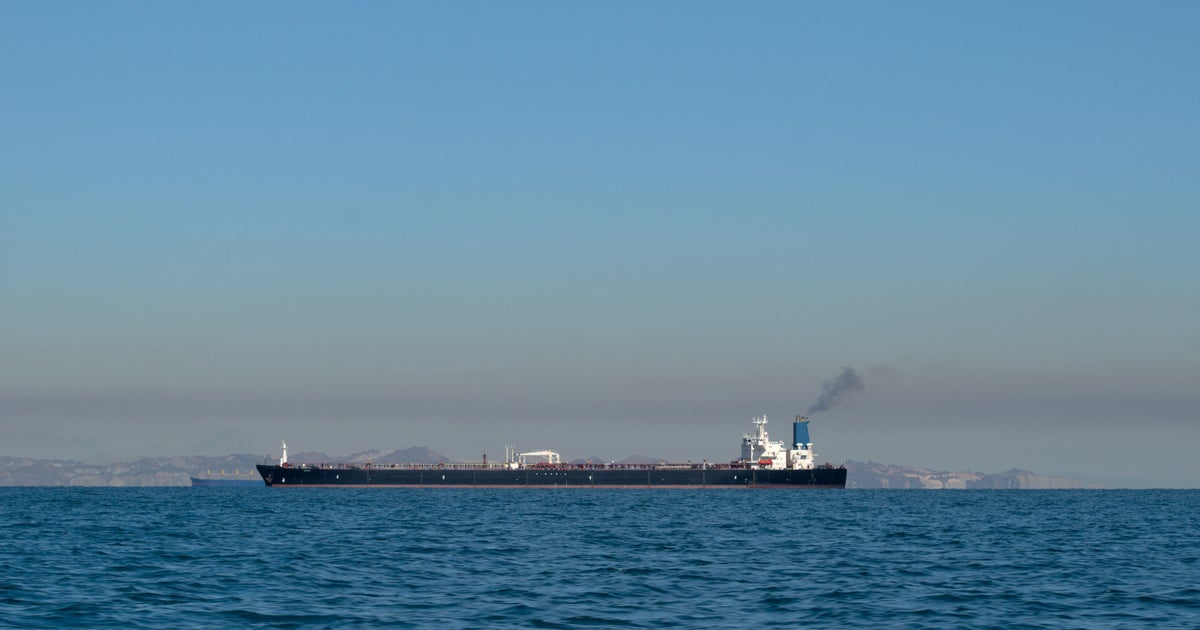
Oil and natural gas prices have been spiking since the war began because of disruptions to the Persian Gulf’s energy industry. Iran’s state television said Wednesday that the Islamic Republic would be attacking oil and gas infrastructure in Qatar, Saudi Arabia and the United Arab Emirates after an attack on facilities associated with its offshore South Pars natural gas field.
If the disruptions keep oil and gas prices high for long, they could send a debilitating wave of inflation crashing into the global economy.
A report released on Wednesday morning showed that inflation pressures were already worsening before the war began. It said inflation at the US wholesale level unexpectedly accelerated last month to 3.4 per cent, and those cost increases could hit US households if producers pass them all along.
Interest rate cuts would give the job market and investment prices a boost, and President Donald Trump has been angrily calling for them. But lower interest rates would also worsen inflation.
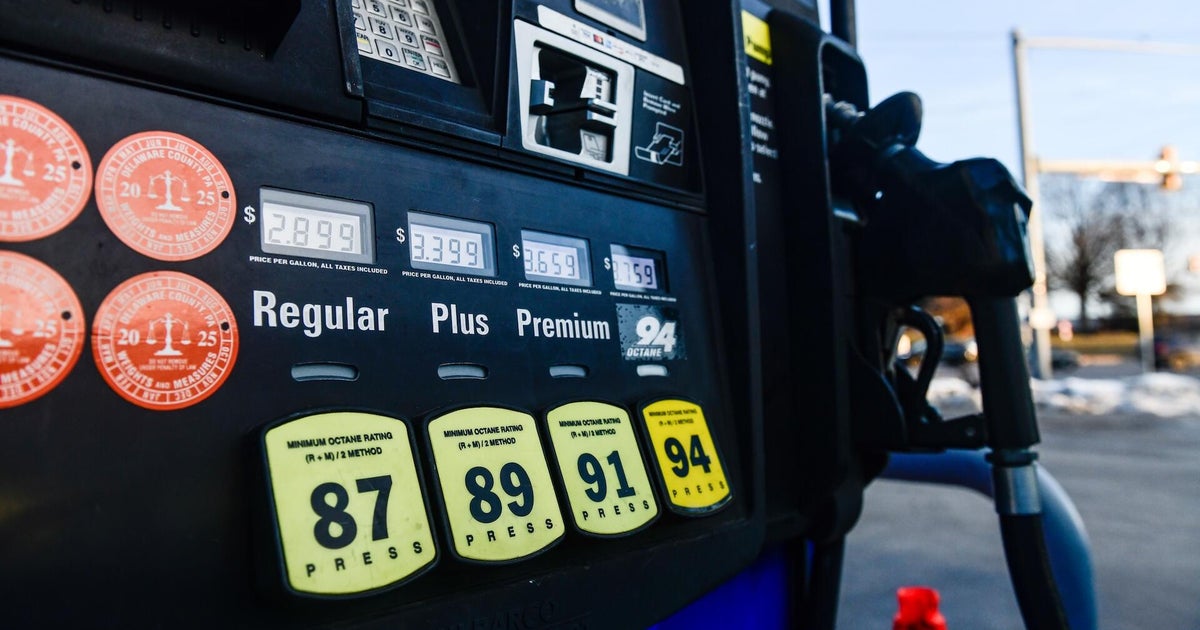
The Iran war has made it difficult for anyone to make economic forecasts. Petrol prices are soaring and will push up inflation for at least the next month or two. The average price for a gallon of gasoline spiked again overnight, reaching $US3.84. It was well under $US3 last month.
Global oil flows remain largely constrained, ING Bank analysts Warren Patterson and Ewa Manthey wrote in a research note on Wednesday, even as hopes were growing that Iran might be allowing more vessels through the Strait of Hormuz, a key waterway for global oil and gas transport.
Roughly a fifth of the world’s crude oil passes through the strait, which has been largely closed as Iran blocks ships linked to the US, Israel and their allies.
On Wall Street, mixed profit reports helped keep the market in check.
Macy’s jumped 5.2 per cent after reporting stronger profit and revenue for the latest quarter than analysts expected. The retailer behind Bloomingdale’s and Bluemercury is in the midst of a turnaround plan to drive growth under CEO Tony Spring.
But General Mills slipped 1 per cent after the company behind the Pillsbury, Progresso and Wheaties brands reported a weaker profit for the latest quarter than analysts expected. CEO Jeff Harmening is investing in its brands in hopes of driving growth, and it’s sticking with its forecast for profit over the full fiscal year.
In the bond market, Treasury yields ticked higher following the higher-than-expected update on inflation at the wholesale level. The yield on the 10-year Treasury rose to 4.22 per cent from 4.20 per cent late Tuesday and from just 3.97 per cent before the war with Iran started.
In stock markets abroad, indexes mostly fell in Europe following a stronger finish in Asia. They reacted to the rise in the price of crude, which accelerated as trading headed westward around the world.
Tokyo’s Nikkei 225 rallied 2.9 per cent after the government reported exports in February were higher than expected. South Korea’s Kospi leaped 5 per cent.