3 months ago
7
3 months ago
7
By Jana Pittman
November 28, 2025 — 3.30pm
Australia’s healthcare system is often seen as a world leader, but when it comes to women’s health, we’re still facing a persistent, overlooked bias that could lead to real consequences for those seeking care.
As an Olympian, a mother of six, and now a doctor working in women’s health, this bias is something I’ve seen and experienced first-hand – on both sides of the doctor/patient relationship.
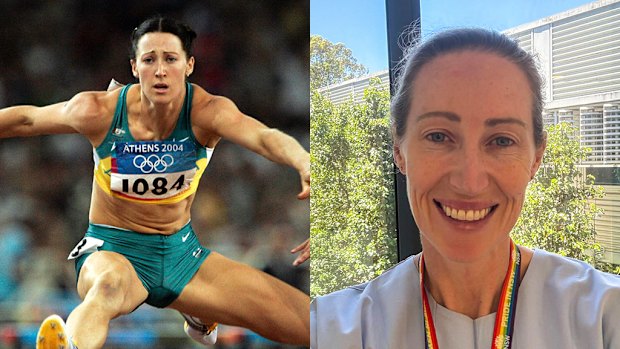
Jana Pittman competing at the 2004 Olympic Games, and as a doctor today.Credit: Mark Baker/AP, Supplied
There’s no question that awareness around women’s health and associated challenges is on the rise. Just this month, findings from Victoria’s Inquiry into Women’s Pain highlighted the challenges women and girls face when seeking care and support for pain. However, as identified in this inquiry, too often it’s the structural and cultural bias embedded within our healthcare system that means women are not being heard when they need it most. Especially when it comes to those issues that are stigmatised, invisible or simply minimised.
For many women, the barriers rise when still young. Conditions such as endometriosis, polycystic ovary syndrome or heavy or painful menstrual cycles are still routinely passed off as “normal” or “exaggerated”, leading to years, sometimes even decades, without proper diagnosis or management.
I’ve had patients who’ve been told, and I have personally felt the frustration of being told by friends or family, that pain is “just part of being a woman”. It’s something I also heard throughout my athletic career. As a teenager, competing internationally, I managed heavy, painful periods that often left me doubled-over yet kept quiet for fear of being seen as weak or dramatic.
Loading
Bias in women’s healthcare isn’t restricted to gynaecological issues. Just look at the glaring research gaps. I know so many incredible researchers working in such areas as endometriosis, menopause and continence health who struggle for funding and spend hours writing budget applications. Yet only a small proportion of national medical research funding in Australia is directed specifically at women’s health.
We have far more studies on erectile dysfunction than on premenstrual syndrome, though the latter affects a greater percentage of the population at some point. How can we expect doctors or policymakers to make evidence-based decisions to change the future of women’s health when we lack the evidence itself?
Another bias that rarely gets discussed is weight stigma. As a mother, elite athlete and doctor, my own weight has fluctuated dramatically over the years. It has been a real struggle and affected me physically and mentally. I know countless women who have left doctors’ offices feeling shamed and their legitimate symptoms reduced to “just lose weight” or “have more willpower” as catch-all solutions. This approach is not just humiliating, it could be dangerous. Weight stigma could lead to under-diagnosis of serious conditions and discourage women from seeking care at all.
What is critically missing is compassion and curiosity. We must listen to women, validate their experiences and treat health complaints as worthy of investigation, regardless of size, background or taboos. My goal is to create space for frank conversations about menstrual health, menopause, body image and pain. I honour the courage it takes for women to speak up when ultimately the system is stacked against them.
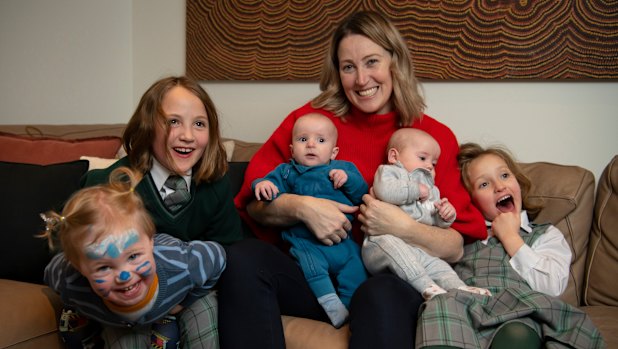
Jana Pittman, now a doctor with six children, with her family in 2022. Credit: Wolter Peeters
If we are to close the gender gap in health, it starts with listening. It continues with real investment and more efforts in funding research, elevating lived experience and dismantling outdated stereotypes wherever they persist.
As a nation, we pride ourselves on “having a fair go”. It’s time that every woman has access to good medical care. Because every woman, no matter her shape, her story or her symptoms, deserves to be heard, respected and treated with the evidence-based care we all expect. The biases in women’s health are not inevitable. They are a choice. And so is ending them.
Dr Jana Pittman is an Olympian, world champion hurdler and registrar in obstetrics and gynaecology. She serves as clinical adviser to Juniper, a digital health platform providing medical care and treatment for women.
Most Viewed in Lifestyle
Loading