3 months ago
34
3 months ago
34

Five members of the Reserve Bank’s monetary policy committee are worried about inflation right now. Four are more worried about where the economy will be in a few weeks’ time.
That’s the simple takeaway from the bank’s split decision to push the cash rate up by a quarter percentage point on Tuesday.
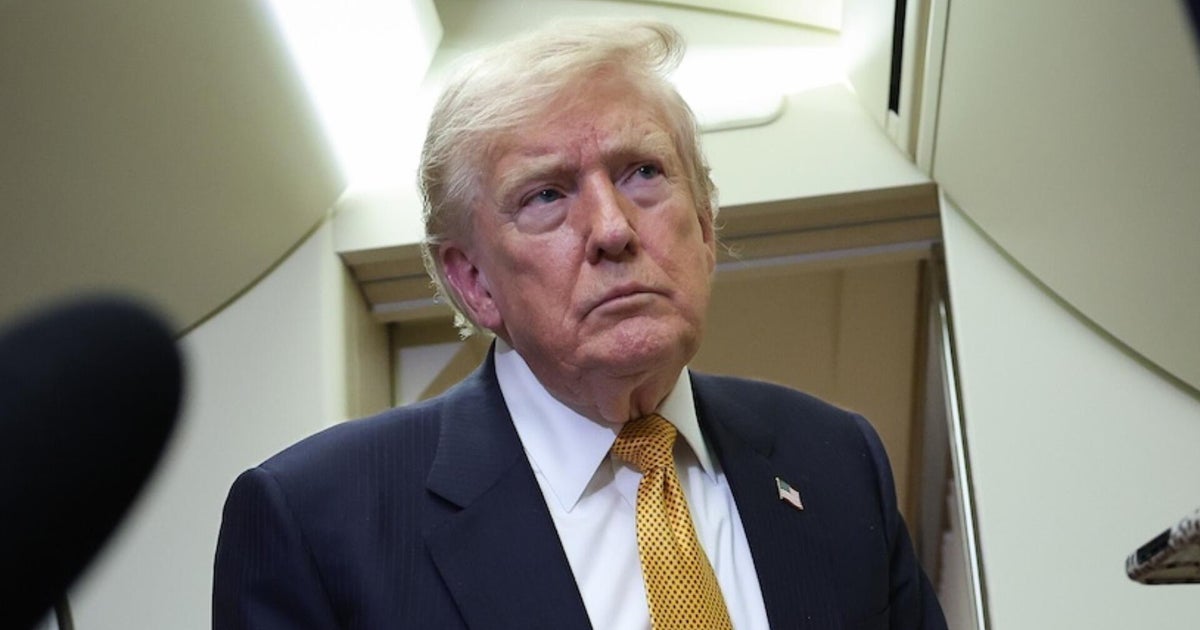
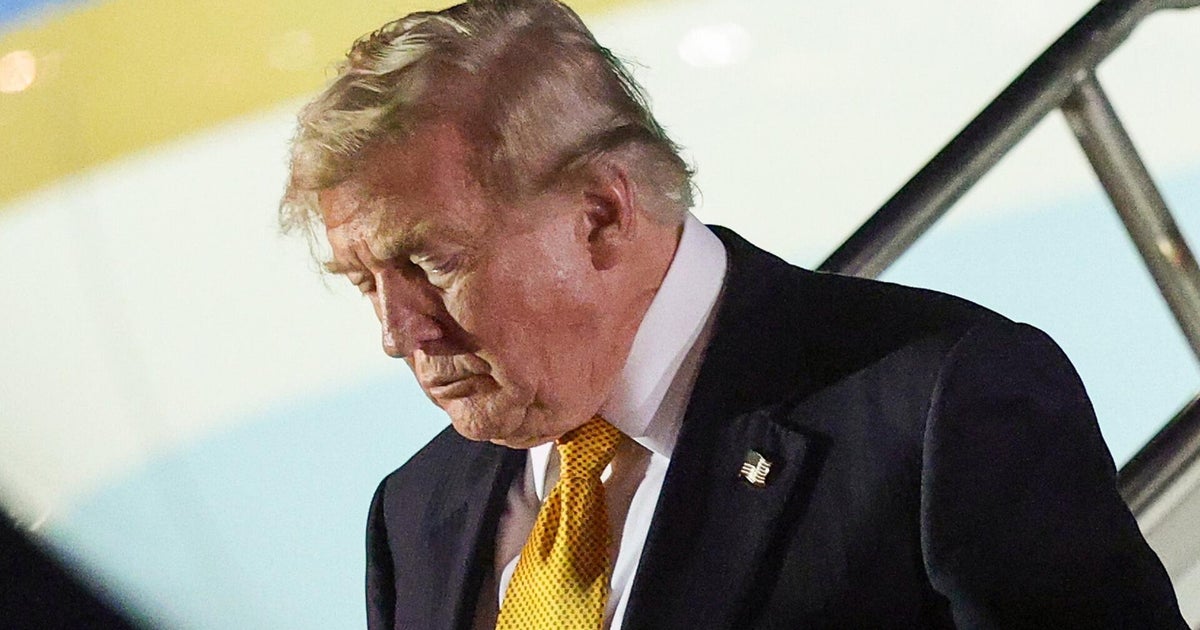
But there was one person, who didn’t cast a vote one way or the other, who will have a big say on the future direction of interest rates in this country and that debate between inflation hawks and economic doves – Donald Trump.
Expectations of a rate hike were super-charged after Israel and the United States launched their attack on Iran a fortnight ago. Investors and economists, already concerned about domestic inflation and a tight job market, believed the war and its impact on global oil prices (amongst other things) would force the Reserve’s hand.
Market pricing went from about a 15 per cent chance of a rate increase to a three-in-four chance.
The overwhelming concern was how the war, which has driven oil prices beyond $US100 with flow-on effects in areas including fertilisers and international travel, would play into inflation.
Those concerns underpinned the vote of those five board members who backed a rate hike.
But oil prices are high not because of surging demand, the normal driver of inflation. It’s being driven by questions over supply, which is effectively in the hands of Iran and its network of drone operators who are threatening to unleash hell on any ship that moves through the Strait of Hormuz.
High-priced oil will slow the economy. The extent of that slowing, however, is not in the hands of the Reserve Bank or those four board members who voted against a rate hike.
That sits with Trump and his preparedness to wage war against a country that wants to hold the US – and effectively the developed world – to ransom.
Bank governor Michele Bullock characterised the split vote as simply an argument over timing. The bank board was agreed that interest rates had to go up; it was just a matter of whether to hit borrowers this week or in early May.
That would make perfect sense, except for the fact that there is so much uncertainty about how Trump’s war will play out on the global and domestic economy.
Only a year ago the bank was so uncertain over the fallout from Trump’s tariff war that it debated a half percentage point rate cut, then surprised by not cutting rates in July before cutting in August.
Economic uncertainty hasn’t improved since then.
The bank does fear that high inflation will feed expectations amongst workers, shoppers and businesses that inflation is here to stay. In central banking jargon, it worries that “inflation expectations will become unanchored”.
A rate hike now, even with the mayhem playing out in the Middle East, is a big signal to consumers and businesses that the Reserve is deadly serious about bringing inflation under control.
But just a few hours before the bank’s announcement, the ANZ-Melbourne Institute measure of consumer confidence was released. It showed consumer sentiment nose-diving to where it was when the Morrison government was shutting the nation’s borders to prevent the spread of COVID.
The war in Iran, its hit to petrol prices and the flow-on impact on inflation and the RBA’s rate settings, mean shoppers are now as frightened as they were when a new virus was spreading around the world and killing thousands.
No one could argue that’s conducive to a further inflation breakout.
The 5-4 vote reflects just how tough a decision the bank faced, and the stakes that are at play.
A further step-up in oil prices – some analysts are saying $US200 a barrel is not out of the question – and an extension of the war cannot be ruled out.
A combination of eye-wateringly high petrol prices and higher interest rates could easily force the bank into reverse.
By moving now, the bank has given itself some breathing room. Expectations of a follow-up rate increase in May dropped sharply after investors saw the split vote and heard Bullock’s explanation for it.
Now it just has to hope that Trump finds a solution to war in the Middle East, Treasurer Jim Chalmers delivers a budget with substantial savings, a productivity package as well as tax reform, and that consumers rein in their spending – but not so much as to send the economy into a tailspin.