2 months ago
17
2 months ago
17
By Newley Purnell and Nasteho Said
December 10, 2025 — 10.51am
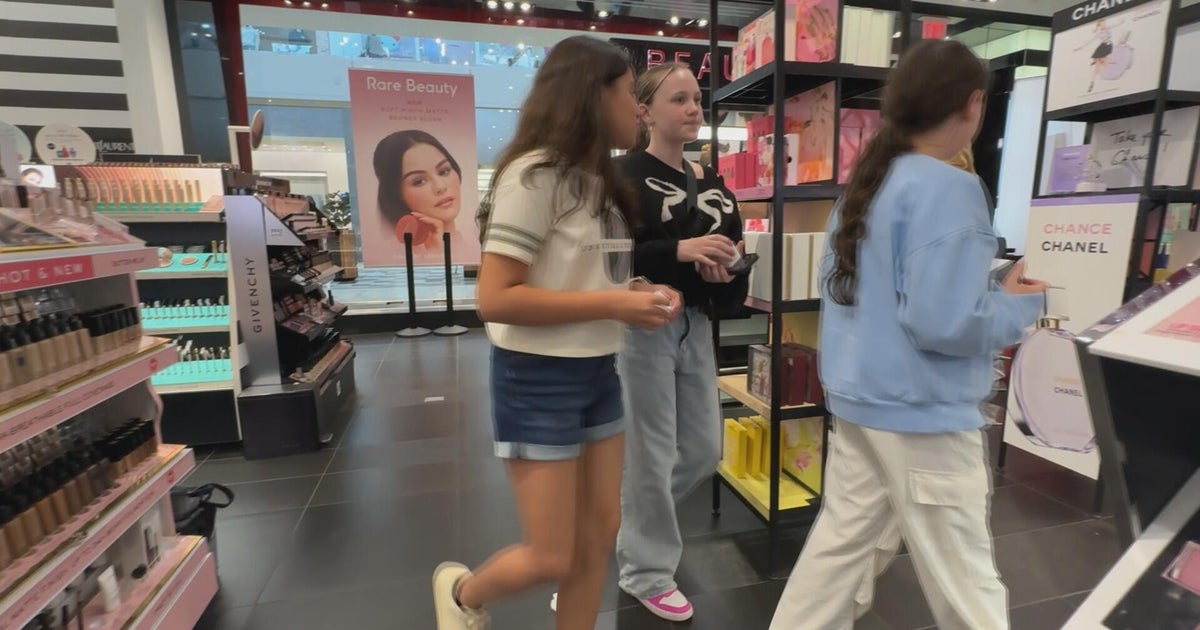
Australia’s landmark teenage social media ban has drawn global attention at a time when governments are increasingly enacting rules to shield minors from toxic content and cyberbullying.
The law, passed last year, mandates services such as TikTok and Instagram keep under-16s off their platforms or face fines of up to $49.5 million. Australia becomes the world’s first democracy to bring in a ban amid growing concerns about social media’s harms.
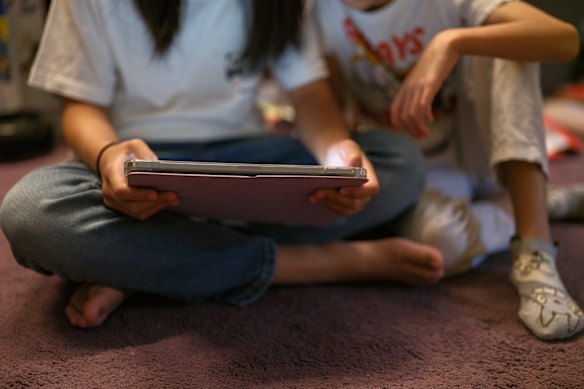
Australia has become the world’s first country to enact a ban on social media for under-16s. Credit: Getty Images
Meanwhile, governments in Indonesia, Denmark, Brazil and other nations are also moving to rein in tech companies, and planning moves of their own to shield young users.
Social platforms affected in Australia include Snapchat, YouTube, Reddit and more. Of the initial 10, all but Elon Musk’s X have said they will comply using age inference – guessing a person’s age from their online activity – or age estimation, which is usually based on a selfie. They might also check with uploaded identification documents or linked bank account details.
Musk has said the ban “seems like a backdoor way to control access to the internet by all Australians”, and most platforms have complained that it violates people’s right to free speech.
But a debate about whether to copy Australia is already taking shape in the “mother of parliaments” in London, as a former British schools minister revealed plans to put the same kind of law to Westminster.
‘If I had a teenager, I’d rather they were addicted to smoking than scrolling. At least they’d be going outside’
Fred Thomas, Labour MPJohn Nash, who was a Conservative minister from 2013 to 2017, described the Australian move as “a brave stand”. Writing in the London Times, he noted that several European countries had similar plans and warned that “Britain is being left behind”.
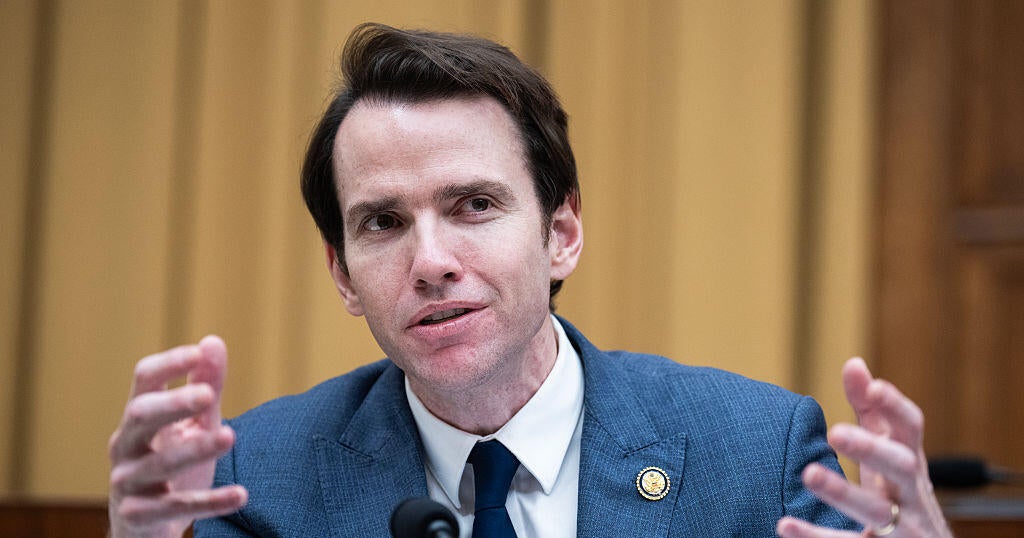
Another British MP, Labour’s Fred Thomas, said: “If I had a teenager, I’d rather they were addicted to smoking than scrolling. At least they’d be going outside.”
“Since being elected in 2024, I’ve visited schools across Plymouth and been shocked by what I’ve seen”, he said, writing in the London Telegraph. “An ever-increasing proportion of pupils have serious social, emotional and mental health needs. Teachers and students consistently tell me about the pressures of the online world.”
Loading
The UK already has the 2023 Online Safety Act, which sets tougher standards for social media platforms, including age restrictions to block minors from accessing harmful content. Enforcement of the law began this year, but it contains no age limit provision for accessing social media.
Indonesia has announced that under-18s will need parental approval to access social media – a move that a major social media company had warned would be a “disaster”, according to the director-general of the country’s Ministry of Communication and Digital Affairs.
“Our response was: ‘Well, the disaster is happening already. Look at our children,’ Fifi Aleyda Yahya told the ASPI Sydney Dialogue Summit last week.
Denmark said in November it would ban social media for children under 15, while allowing parents to grant exemptions for youngsters aged 13 and older to access certain platforms. Most parties in the Danish parliament have said they would back the plan ahead of a formal vote.
The same month, Malaysia announced it would ban social media for users under 16 starting next year.
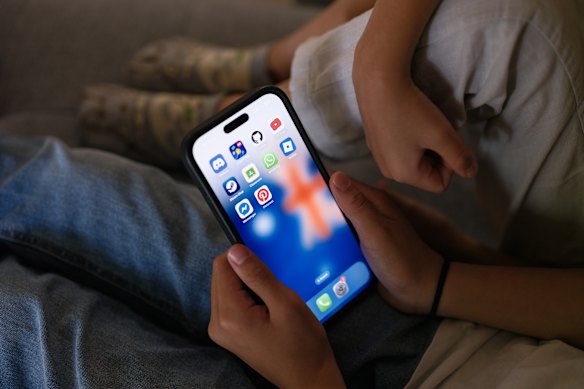
Scroll no more: Other countries say they want to introduce similar social media bans for younger teenagers.Credit: Getty Images
In 2023, France passed a law requiring social platforms to get parental consent for minors under 15 to create accounts. But according to local media, technical challenges have impeded its enforcement.
In Germany, minors aged 13 to 16 may use social media only with their parents’ consent. But child protection advocates say controls are insufficient.
Loading
In Italy, children under 14 need parental consent to create social media accounts, while no consent is required from age 14 upwards.
The Norwegian government in October 2024 proposed raising the age at which children can consent to the terms required to use social media to 15 years from 13, although parents would still be permitted to sign off on their behalf if they are under the age limit.
The government has also begun drafting legislation to set an absolute minimum age of 15 for social media use.
China’s cyberspace regulator has put in place a so-called “minor mode” programme that requires device-level restrictions and app-specific rules to restrict screen time depending on age.
In the United States, the Children’s Online Privacy Protection Act prevents companies from collecting personal data from children under 13 without parental consent. Several states have also passed laws requiring parental consent for minors to access social media, but they have faced court challenges on free speech grounds.
Most American teenagers use YouTube and TikTok daily, the New York Times reported, citing a report released on Tuesday by the Pew Research Centre, and roughly one in five said they were on one of the two platforms “almost constantly”.
The survey, which looked at the habits of 1458 teens aged 13 to 17, suggests that despite growing concern about mental health risks, teens are not cutting back on phone time and spend hours scrolling through social media, watching videos, or consulting chatbots powered by artificial intelligence.
The European parliament in November agreed on a resolution calling for a minimum age of 16 on social media to ensure “age-appropriate online engagement.”
It also urged a harmonised EU digital age limit of 13 for social media access and an age limit of 13 for video-sharing services and “AI companions”.
The resolution is not legally binding.
Bloomberg, Reuters
Most Viewed in World
Loading