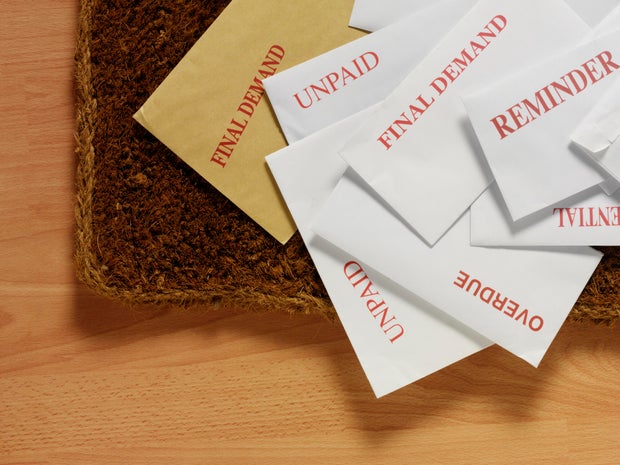
 Disputing your collection debt is one possible response to consider, but it isn't automatically the right one.
Wragg/Getty Images
Disputing your collection debt is one possible response to consider, but it isn't automatically the right one.
Wragg/Getty Images
Collection accounts have become a common issue for borrowers in today's economic landscape. Between issues like persistent inflation, elevated borrowing rates and tighter household budgets, millions of borrowers are struggling to pay even the minimums on what they owe right now. And that, in turn, is pushing more credit card and loan accounts into delinquency, forcing borrowers to try and find the right way to respond after a collection notice appears or a new account hits their credit file.
Deciding how to respond to a collection notice can be difficult in this economic climate, though. While more borrowers have fallen behind recently, the reality is that collection accounts are still one of the most damaging items that can appear on your credit report and lenders are paying close attention to these types of issues as they tighten approval standards. Having even a single collection account on your credit can result in higher borrowing costs, limited refinancing options or blocked access to credit-based relief programs.
Disputing the collection debt is one possible response, but it isn't automatically the right one. In some cases, it can remove inaccurate or improperly reported accounts. In others, it can delay progress or divert attention from more effective strategies. So, when does disputing a collection account actually help? That's what we'll detail below.
Find out more about the debt relief options you qualify for here.
When should you dispute collection debt?
Disputing collection debt is generally most effective when there's a legitimate reason to believe the account is inaccurate, incomplete or unfairly reported. Here are a few situations where disputing collection debt typically makes sense:
The debt isn't yours
When it comes to a collection debt, mistaken identity is more common than many people realize. Anything from shared names to old addresses or clerical errors can lead to someone else's debt appearing on your credit report. So, if you don't recognize the account at all, disputing it is usually the first and best step.
Start settling your high-rate debt for less now.
The amount is wrong
Collection accounts will sometimes list inflated balances that include incorrect fees, interest or other charges you don't owe. If the numbers don't line up with what you originally owed, a dispute can force the debt collector to verify and potentially correct the balance.
The debt is too old to be collected
Most states have statutes of limitations that limit how long a creditor or debt collector can legally sue you for your unpaid balances. While expired debt can still appear on your credit report if it falls within the reporting parameters, attempting to collect on it may violate consumer protection rules. In turn, disputing these accounts can help stop improper collection activity.
The debt collector can't verify the debt
Debt collectors must be able to prove they have the right to collect the debt under the Fair Debt Collection Practices Act. If they can't provide proper documentation when asked for it, the account may need to be removed from your credit report.
The account is being reported incorrectly
Given how many times unpaid debts are sold or change hands, it's not uncommon for the debt collection accounts that appear on your credit report to contain incorrect information. Duplicate collections, wrong dates, incorrect creditor names or accounts listed as unpaid when they were settled are all valid reasons to file a dispute.
When disputing collection debt may not be the best move
Disputing collections debt isn't a cure-all, and there are times when it can actually slow your progress. For example, if the debt is clearly yours, accurately reported and within the legal timeframe for collection, a dispute is unlikely to succeed. In some cases, disputing valid debt can even trigger renewed collection efforts, including phone calls or settlement offers you weren't previously receiving.
Disputes also won't erase your legitimate obligations. Even if a collection account is temporarily removed during an investigation, it can be reinstated if the debt collector verifies the information. That's why disputes work best as a corrective tool and not a long-term debt strategy.
What to do after you dispute collections debt
Once you've filed a dispute, the credit bureaus have 30 days to investigate and respond to it. During this time, it may make sense to weigh the debt relief options available to you, especially if you have other outstanding balances weighing you down. Even if you successfully dispute one debt collection account, addressing your overall debt situation can prevent future collection-related problems.
For example, pursuing a debt management plan through a credit counseling agency can help you manage multiple accounts through consolidated payments, often with reduced interest rates and fees. That, in turn, can make your debt more affordable and easier to manage.
For debts you do legitimately owe, debt settlement, also known as debt forgiveness, could lead to paying significantly less overall for your balances. During this process, the goal is to negotiate with your creditors on a lump-sum settlement amount that's 30% to 50% lower (on average). These services tend to work best, though, when you're facing financial hardship and have multiple accounts in or approaching collections status.
Other options, like debt consolidation or credit card hardship programs, may also be worth weighing during the process, depending on the type of debt you're dealing with and whether it's currently delinquent. Whatever route you choose, though, the best approach is to take action before more of your debts end up in collections, compounding the damage to your credit.
The bottom line
Disputing collections debt is your legal right and often your best financial move when accounts are inaccurate, fraudulent or legally unenforceable. Don't let fear or uncertainty prevent you from challenging questionable collection accounts, as each one you successfully remove could boost your credit score significantly. At the same time, addressing legitimate debts through one of your many debt relief options can help you regain control of your finances and avoid future collection problems altogether.
Edited by Matt Richardson