3 months ago
28
3 months ago
28
By Dr Ehsan Noroozinejad
January 12, 2026 — 11.25am
Walk through any big city on a Friday and you can feel it. Some office streets are quieter than they used to be.
At the same time, finding a home has become painfully hard. Rents are high. Vacancies are low. Waiting lists are long.
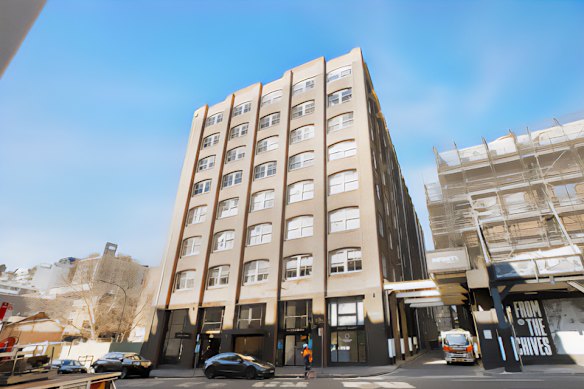
The sole successful application for an apartment conversion in central Sydney in the past two years is this former warehouse in Ultimo.
So a simple question keeps coming up. If we have empty or underused offices in our city centres, why not turn them into apartments?
This idea is not new. But it is now getting new attention. And the place to watch right now is the United States, especially New York City.
New York has been converting office buildings into housing for years. The Wall Street Journal reports that nearly 30 million square feet of office space (2.8 million square metres) have been converted into homes over the past two decades, and the pace has picked up again recently. The city’s own numbers show why this matters. A New York City Comptroller’s report counted 44 completed, under way, or potential office-to-home conversions as of early 2025. Together they total about 15.2 million square feet and could deliver about 17,400 apartments.
That does not “solve” housing on its own. But it is real supply, in places where people already want to live. It also helps cities deal with office space that is no longer needed at the same level.
Why is the US pushing this now? In plain terms, remote and hybrid work changed the market. Some companies downsized. Some moved. Some upgraded to newer buildings and left older ones behind.
That has created a gap. In New York, the conversions still touch only a fraction of the excess office space, but the pressure to find new uses is rising.
Money matters too. High inner-city rents make these projects more likely to stack up. And government settings can make a big difference. New York’s public debate now includes tax settings and planning rules designed to encourage more conversions. Supporters say they speed up new homes but critics say they can be expensive for the public budget.
The big catch, however, is this: not every office can become a good home. This is where the idea often runs into trouble. Many office towers are built for desks, not bedrooms. Some are too wide. Some have deep interiors that struggle to get enough daylight. Plumbing and ventilation can be hard to retrofit in the right places.
Policy experts in the US say office-to-home projects can deliver only a modest share of what’s needed because the number of suitable buildings is limited, and the work is complex. New York developers have started using clever design moves, such as cutting new light wells into buildings, but that can add cost and time.
Loading
So, the honest lesson from the US is this: conversion is not a magic wand. It is a targeted tool. It works best in the right buildings, in the right locations, with the right rules.
What about Australia? Australia is not short of office space. Property Council figures show Australia’s CBD office vacancy rate was 14.3 per cent in mid-2025 (up from 13.7 per cent six months earlier). That is a lot of empty floors sitting above some of the most expensive housing markets in the country.
But conversions here have been slow and patchy. The Guardian reported in October that there had been only one successful conversion application in central Sydney in the previous two years. Industry voices point to the same practical barriers: not enough windows, awkward layouts and high retrofit costs.
Still, there are signs of momentum. The City of Melbourne’s “Make Room” project refurbished a former office building to create 50 self-contained studio apartments for people who were unhoused, with support services on site. And a Victorian planning reform blueprint notes work to promote office conversions in the City of Melbourne, including identification of about 80 under-used office buildings.
So, the opportunity is there. But it will not happen at scale by accident.
Turning an existing building into housing can be faster than starting from scratch because the structure is already there. It can be greener in many cases because reusing a building can avoid some of the carbon pollution that comes from producing new concrete, steel and other materials.
It can also bring life back into CBDs. More people living in the centre means more customers for small businesses. More street activity. More demand for services outside nine-to-five. That matters for the feel and safety of a city.
This is what Australia should do next – without cutting corners. If governments want this to work here, three things matter.
First, pick the right buildings. Not every tower is suitable. We need clear guides on what “good conversion candidates” look like, so we don’t end up with dark, cramped homes that people don’t want to live in.
Loading
Second, make approvals predictable. Delays kill projects. But speed must not mean weaker safety or poorer construction quality. University experts say the focus should be on good guidance and careful integration of mixed uses, not simply stripping back rules.
Third, make the numbers work in the public interest. The US experience shows that incentives can unlock projects, but they must be designed carefully because they can also cost public revenue if they are too generous. If taxpayers help, the public should get something back. That could mean a share of genuinely affordable rentals, or support for critical workers.
Office-to-apartment conversions will not end Australia’s housing crisis. But they can produce real homes in places where people already have jobs, transport and services. Think of them as recycling for buildings. Not everything can be recycled. But what can be reused should not be left to rot.
New York’s experience shows it can be done, and done at scale, when policy and design push in the same direction. Australia should learn from that. Then build a version that fits our cities, our rules and our need for decent, liveable homes.
Dr Ehsan Noroozinejad is a senior researcher and global challenge lead at Western Sydney University.
Most Viewed in National
Loading