2 months ago
14
2 months ago
14
The majority of West Australians are not attending regular skin checkups, new data shows, and researchers have been pushed to search for other more accessible solutions as skin cancer cases rise.
New data from health insurer HIF shows just 80 members claimed a skin check last year out of almost 88,000 – or 0.09 per cent – of eligible customers.

The UV scale is the factor to watch for when heading outside.Credit: Getty Images
The health insurer had 2150 members make skin cancer-related hospital claims over the past five years, likely involving invasive procedures that could have been avoided.
While there are other avenues to access skins checks, including via Medicare or subsidised through work, 40 per cent of people across the state have admitted to not getting around to it, with cost or accessibility cited as obstacles to getting the preventative health measure done.
9News Perth also visited to City Beach on Tuesday to ask locals whether they were concerned about spending time under strong UV rays.
“Nah, get a tan mate,” was one response, while another said: “We’re not spending a long time in the sun, we’re just in and out.”
But Ross Kyrwood knows the risks all too well.
He was diagnosed with stage four melanoma in 2019, when cancer that started on his skin spread to his brain.
“One of the big challenges in Australia is we still have this notion of tanned skin is beautiful skin,” he said.
Now a survivor, Kyrwood never misses a skin check.
HIF chief data and proposition officer Nikesh Hirani said it was a vital preventative health measure that all West Australians should regularly undertake, “particularly in our UV-rich climate”.
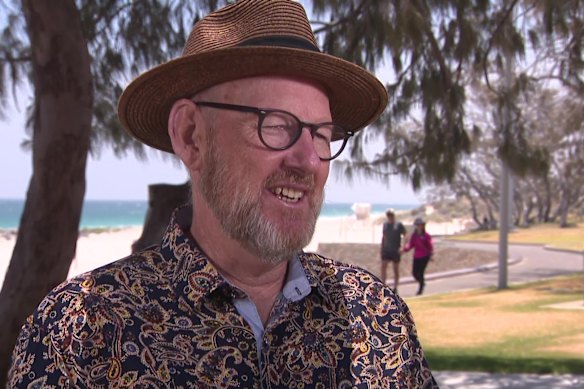
Ross Kyrwood knows the dangers of sun exposure all too well. Credit: 9News Perth
He said the latest figures were “alarming”.
“These claims have amounted to over $9 million in benefits paid out, which we’d much rather see us invest in preventative health measures, keeping our members healthier and easing pressure on the broader healthcare system,” Hirani said.
HIF has partnered with SkinVision – a tool which uses artificial intelligence to examine photographs taken by the user and provide skin spot risk indications, verified by dermatologists.
Loading
Depending on the rating – low risk, low risk with symptoms to track, or high risk – users are then guided to a health plan to see medical professionals if needed.
SkinVision chief executive Erik de Heus said the app had supported more than three million users in checking their skin spots and understanding when to seek medical advice.
For the best protection, the Cancer Council recommends applying a generous amount of waterproof SPF 50 sunscreen to clean, dry skin at least 20 minutes before going outside.
Most Viewed in National
Loading