2 months ago
17
2 months ago
17
Treasurer Jim Chalmers has defied the nation’s voters by ending the government’s $75 a quarter electricity subsidy, despite strong support across the political spectrum to continue the cost-of-living relief.
An exclusive Resolve Political Monitor shows living costs, including the bite taken out of household incomes to cover increasing energy bills, are weighing on many people, even as they wind back household spending and rely on sales to get ahead.

Voters across the political spectrum believe the government should extend its energy subsidy.
But the poll reveals the government is on surer political ground with its 5 per cent deposit policy for all first-time home buyers, with most of those surveyed – including Coalition supporters – backing the scheme.
Before the mid-year budget update this week, the government confirmed it would not continue the energy subsidy that would have added at least $2 billion to overall public spending over the next two months.
On top of state and territory government handouts, the subsidies kept an artificial lid on power prices over the past two years. They also made it problematic for the Reserve Bank and Treasury to track the real rate of inflation, with the RBA considering an interest rate rise as early as February.
But the Resolve poll found 65 per cent of those surveyed agreed the subsidy should be extended. There was almost no difference between government (69 per cent) or Coalition (68 per cent) supporters in backing an extension.
Of the 1800 people surveyed, just 19 per cent said the subsidy should end. But that fell to 17 per cent among Labor voters and only 12 per cent of Coalition voters.
The biggest supporters of the government’s action were uncommitted voters and people in marginal seats at just 20 per cent each.
Energy prices continue to be a key issue, with the poll suggesting Opposition Leader Sussan Ley’s decision to focus on affordability over greenhouse gas emissions may work for the Coalition.
Loading
Fifty-nine per cent of those surveyed, and 71 per cent of Coalition supporters, agreed the priority for energy policy should be on lowering prices. Even among Labor voters, 55 per cent back reducing prices over cuts to emissions.
Only Greens voters, at 48 per cent, favoured emissions reduction over lower power bills. By contrast, just 8 per cent of One Nation voters supported lower emissions compared to 79 per cent who back cheaper electricity.
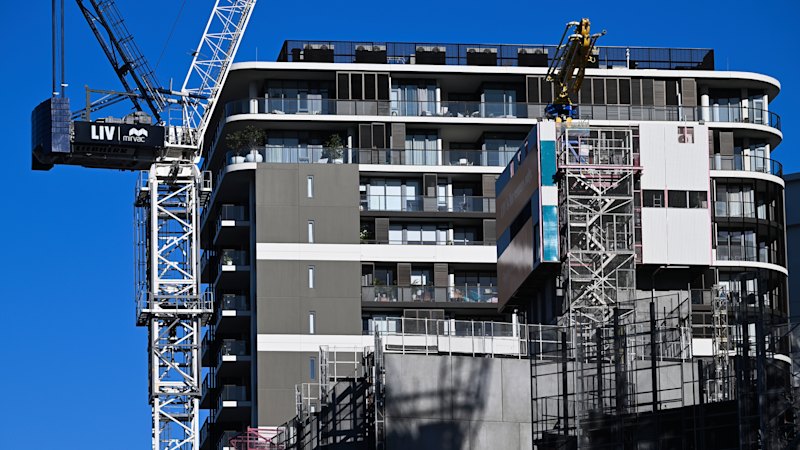
While voters want cheaper power, they also believe young Australians should get assistance to buy into one of the world’s most expensive property markets.
The government’s 5 per cent deposit scheme, under which all first-home buyers with small deposits are in effect insured by federal taxpayers, has been attacked by economists and the Coalition for potentially putting upward pressure on property prices.
But Resolve found a majority of those surveyed back the scheme, which was initially introduced on a capped basis by the Morrison government.
Fifty-one per cent of those quizzed supported the scheme. Strongest support was among Labor voters at 62 per cent, but half of Coalition voters also backed the program. Just 9 per cent of Labor voters and 22 per cent of Coalition supporters opposed the scheme.
Among middle-income voters (53 per cent) and higher-income voters (58 per cent) there was majority support, while there was almost majority support among people on low incomes (49 per cent) and those in marginal seats (48 per cent).
Loading
Housing will continue to be a substantial issue for the parliament, with two Senate inquiries into tax arrangements for the sector and the impact of high prices on intergenerational inequity due to report in the first half of next year.
Both inquiries were started by the Greens.
Party leader Larissa Waters urged Chalmers to use next week’s mid-year budget update to overhaul property tax concessions to help young people get back into the market.
“The best gift for any renter this Christmas is a fix to the utterly cooked housing market. Millions of people have given up on the prospect of ever owning their own home,” she said.
Most Viewed in Politics
Loading