3 months ago
27
3 months ago
27

 Reuters
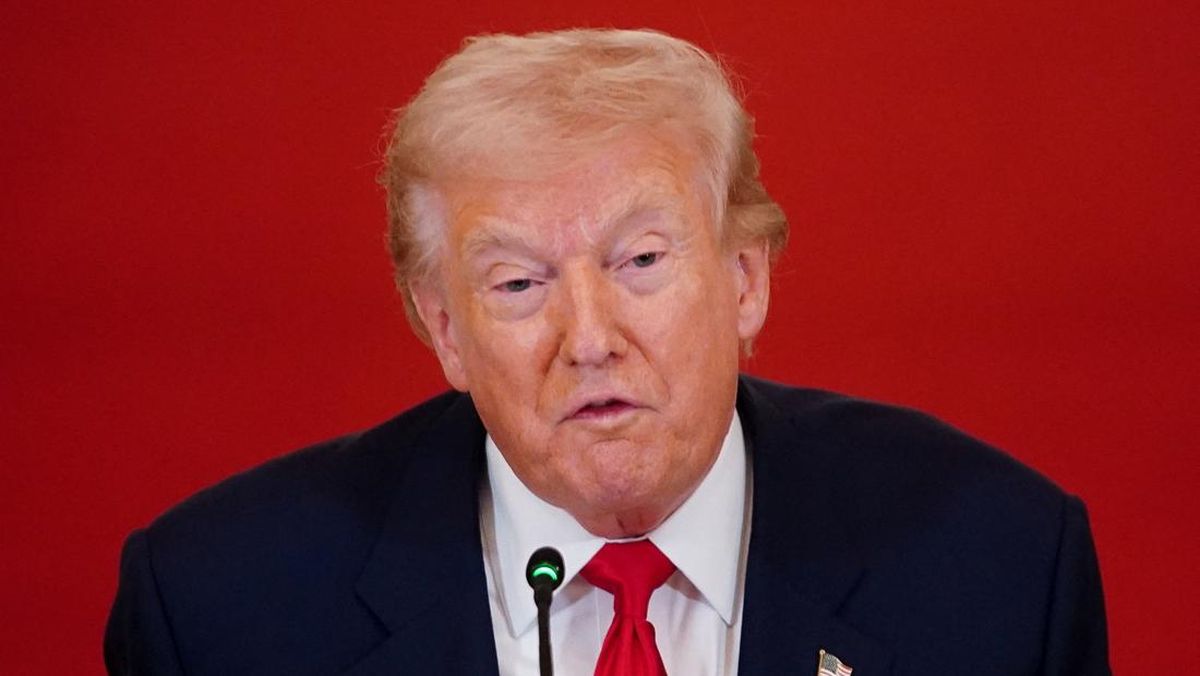
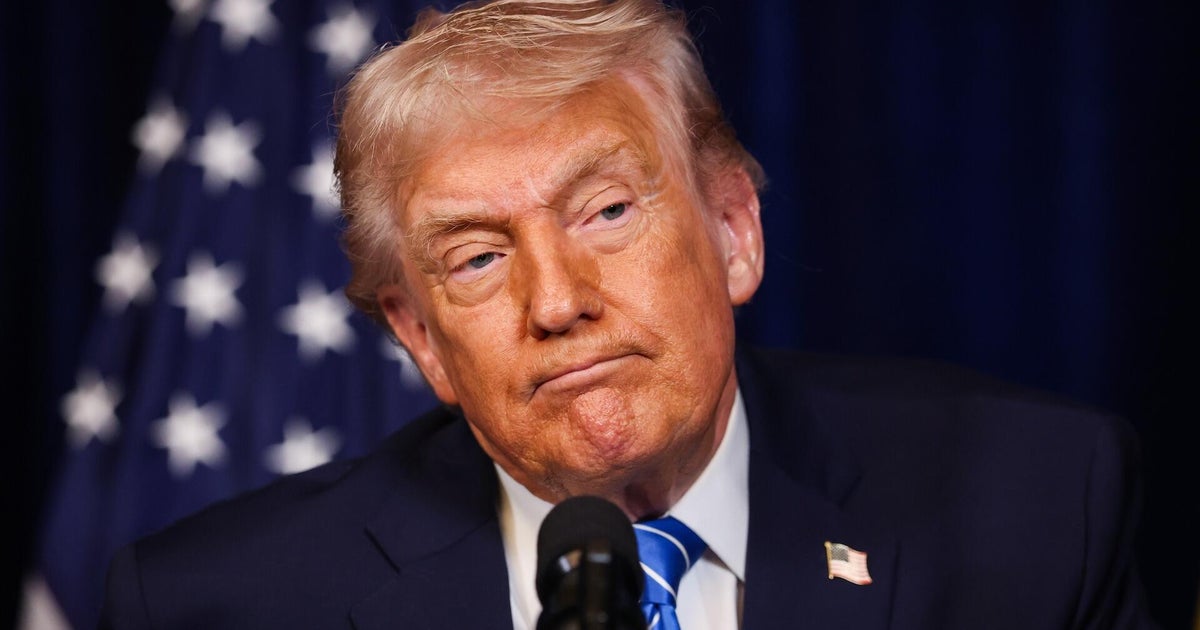
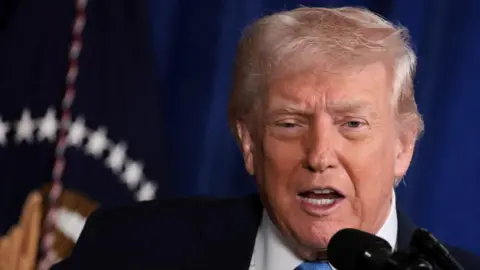
Donald Trump has warned Venezuela's new leader Delcy Rodríguez she could "pay a very big price, probably bigger than Maduro" if she "doesn't do what's right".
His comments to US magazine The Atlantic came as the country's deposed president Nicolás Maduro was set to appear in a New York court on Monday.
The US accuses Maduro, who is charged with drug trafficking and weapons offences, of running a "narco-terrorist" regime, a claim he denies.
US Secretary of State Marco Rubio has insisted the US is not at war with Venezuela, after air strikes in Caracas on Saturday led to Maduro and his wife being taken into custody and transported to the US.
Some Democratic lawmakers said the operation was an "act of war".
In an interview with The Atlantic on Sunday, Trump said of Rodríguez: "If she doesn't do what's right, she is going to pay a very big price, probably bigger than Maduro."
He added that for Venezuela,"Regime change, anything you want to call it, is better than what you have right now. Can't get any worse".
 Donald Trump
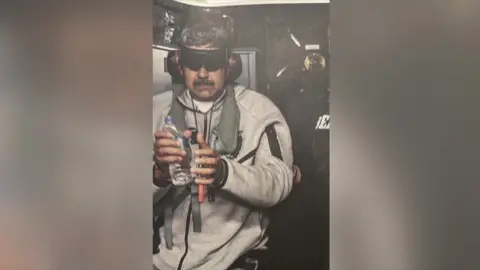
Trump posted a picture of Maduro on board the USS Iwo Jima after his arrest
On Saturday, Trump had vowed the US would "run" the country until "a safe and proper and judicious transition" was possible.
Trump also promised US oil companies would move into the country to fix infrastructure "and start making money for the country".
Despite the US president's claims, Maduro's allies remain in charge.
The Cuban government has said 32 "brave Cuban combatants" died when US forces attacked and captured Maduro and his wife. Cuba - a longstanding socialist ally of Maduro - has announced two days of national mourning.
In several TV interviews on Sunday morning, Rubio defended the US's military operation in Venezuela, stressing the action did not mean the US is at war with the South American country.
"We are at war against drug trafficking organisations. That's not a war against Venezuela," Rubio told NBC's Meet the Press on Sunday morning.
The secretary of state also told CBS that if Venezuela doesn't "make the right decisions", the US "will retain multiple levers of leverage to ensure that our interests are protected".
That includes the "quarantine" the US has placed on Venezuela's oil, he said.
"We're going to judge everything by what they do, and we're going to see what they do," he added.
 AFP via Getty Images
Armed police officers stand in front of the Metropolitan Detention facility in the Brooklyn borough of New York, where ousted president Nicolás Maduro is being held.
Maduro, who leads the United Socialist Party of Venezuela and has been in power since 2013, has frequently been accused of repressing opposition groups and silencing dissent in Venezuela, at times with the use of violence.
He is widely seen by opponents within his country as well as by foreign governments as having illegitimately won Venezuela's 2024 election.
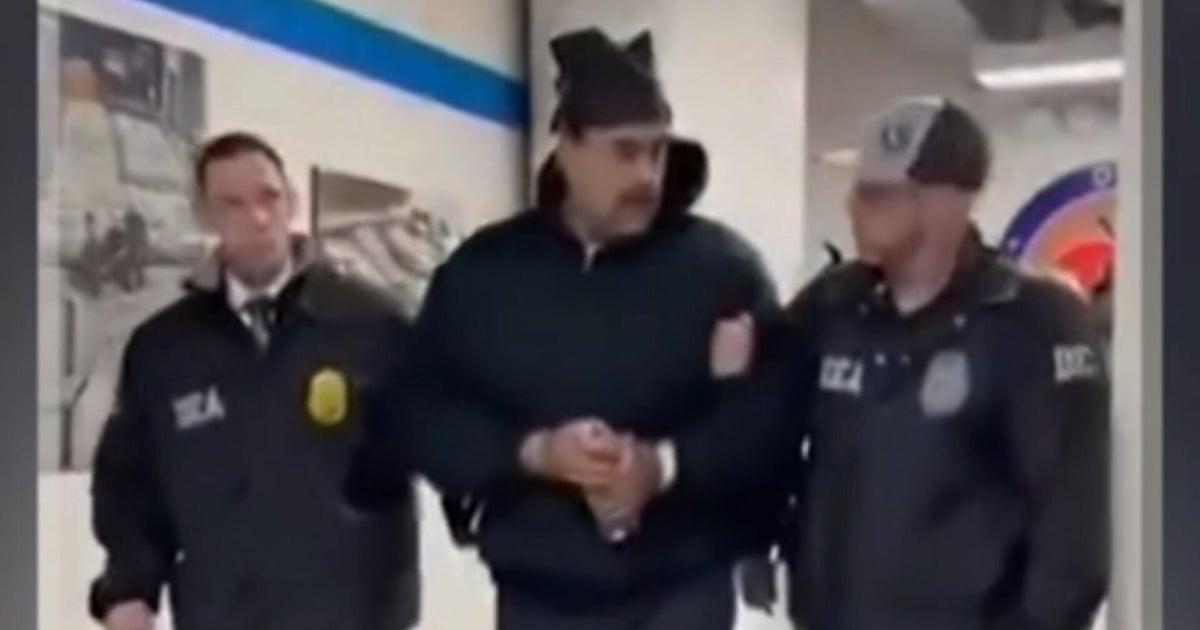
Venezuela's left-wing leader and his wife, Cilia Flores, were captured at their compound and flown to the US, as part of a dramatic special forces operation in the early hours of Saturday that also saw strikes on military bases.
The couple have since been charged with weapon and drug offences and are set to appear at a court in New York on Monday.
Maduro has denied being a cartel leader and has accused the US of using its "war on drugs" as an excuse to try to depose him and get its hands on Venezuela's oil.
While US officials have said that no American troops were harmed in the attacks, Venezuela's Defence Minister Vladimir Padrino said a "large part" of Maduro's security team and "soldiers and innocent civilians" were killed in the US operation.
When asked why congressional authorisation wasn't sought before the US operation in Venezuela, Rubio told ABC it "wasn't necessary because this wasn't an invasion".
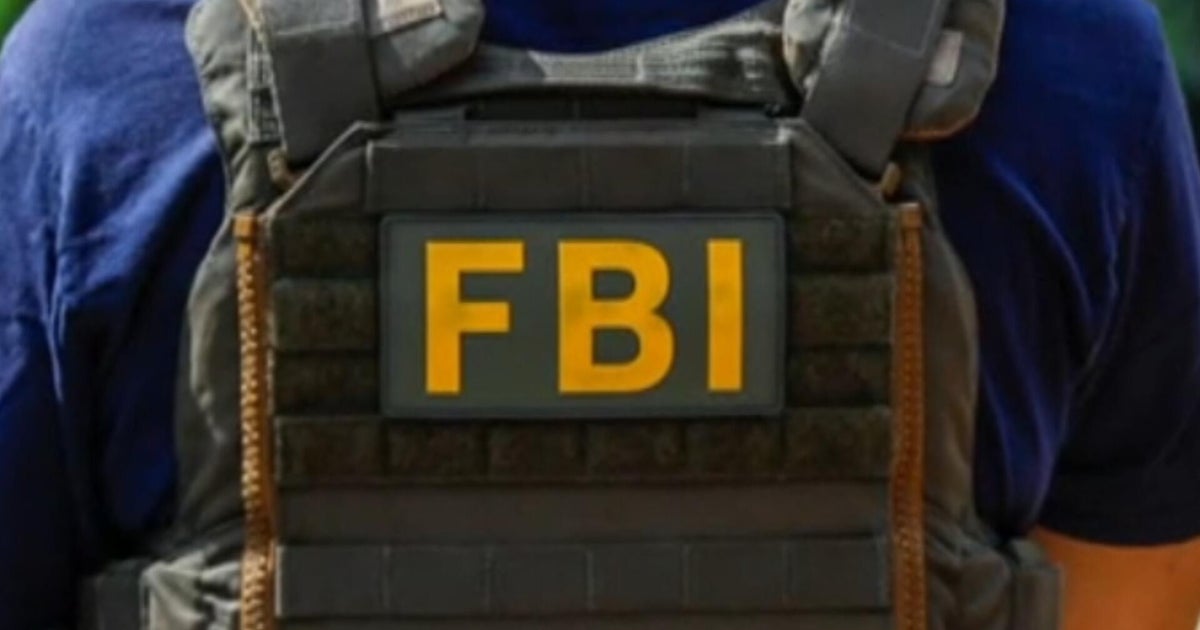
He described it as a "law enforcement operation", and said Maduro was arrested on the ground by FBI agents.
You can't notify Congress of an operation like this because "it will leak", he added.
Maduro's vice president Delcy Rodríguez is now the interim president after being sworn in by the nation's Supreme Court. The country's military has also given its backing to her. She will sworn in as president on Monday in Caracas, at 08:00 local time (12:00 GMT).
Speaking to US media outlets, Rubio was asked if the US recognises Rodríguez as the legitimate president of Venezuela.
He answered that "this is not about the legitimate president" as the US does not recognise the regime as legitimate.
 AFP via Getty Images
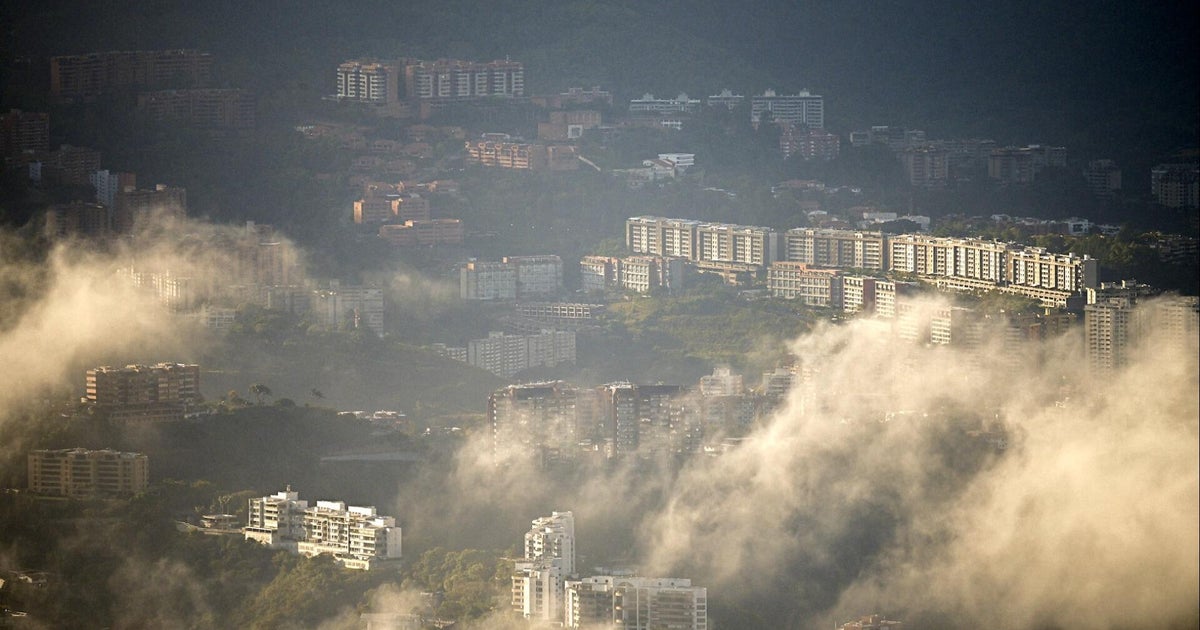
Fuerte Tiuna, one of Venezuela's largest military bases was hit in Caracas on Saturday
Some Democratic lawmakers have condemned the administration's actions.
House Minority Leader Hakeem Jeffries said the secretive military operation, which was conducted without approval from Congress, "was not simply a narcotics operation".
"It was an act of war," Jeffries told NBC's Meet the Press.
"This was a military action involving Delta Force, involving the army, apparently involving thousands of troops, involving at least 150 military aircraft, perhaps involving dozens of ships off the coast of Venezuela and South America."
Jim Himes, the most senior Democrat on the House intelligence committee, told CBS Face the Nation he had had "zero outreach" from the Trump administration, adding "no Democrat that I'm aware of has had any outreach".
In an interview with ABC This Week, Senate Minority Leader Chuck Schumer questioned the legality of the US operation.
Schumer said that while he believes Maduro is a horrible person, "You don't treat lawlessness with other lawlessness".
"We have learned through the years when America tries to do regime change and nation building in this way, the American people pay the price in both blood and in dollars," Schumer said.
He added that Trump had abandoned his campaign promise of "no more endless wars.
Both Schumer and Jeffries vowed to support a resolution that, if passed in both houses, would prohibit Trump from taking any further action in Venezuela without Congressional approval.
In a joint statement, the governments of Brazil, Chile, Colombia, Mexico, Uruguay and Spain said the US's military actions "constitute an extremely dangerous precedent for peace and regional security and endanger the civilian population".
They said they wanted a solution to the Venezuela situation to come from peaceful means such as dialogue and negotiation.
They also expressed concern about external control that is "incompatible with international law" and "threatens the political, economic, and social stability of the region".