2 months ago
7
2 months ago
7
Opinion
December 11, 2025 — 5.00am
December 11, 2025 — 5.00am
A few weeks before the Victorian government announced its plans to abolish VicHealth and absorb it into the Department of Health, it made redundant 24 people who work in public health.
That might not sound like many but, put together with other roles which, in the Newspeak of the Victorian Public Service, were “delimited”, it means about one in 10 of all people employed within the department’s community and public health division were asked to pack up their desks.

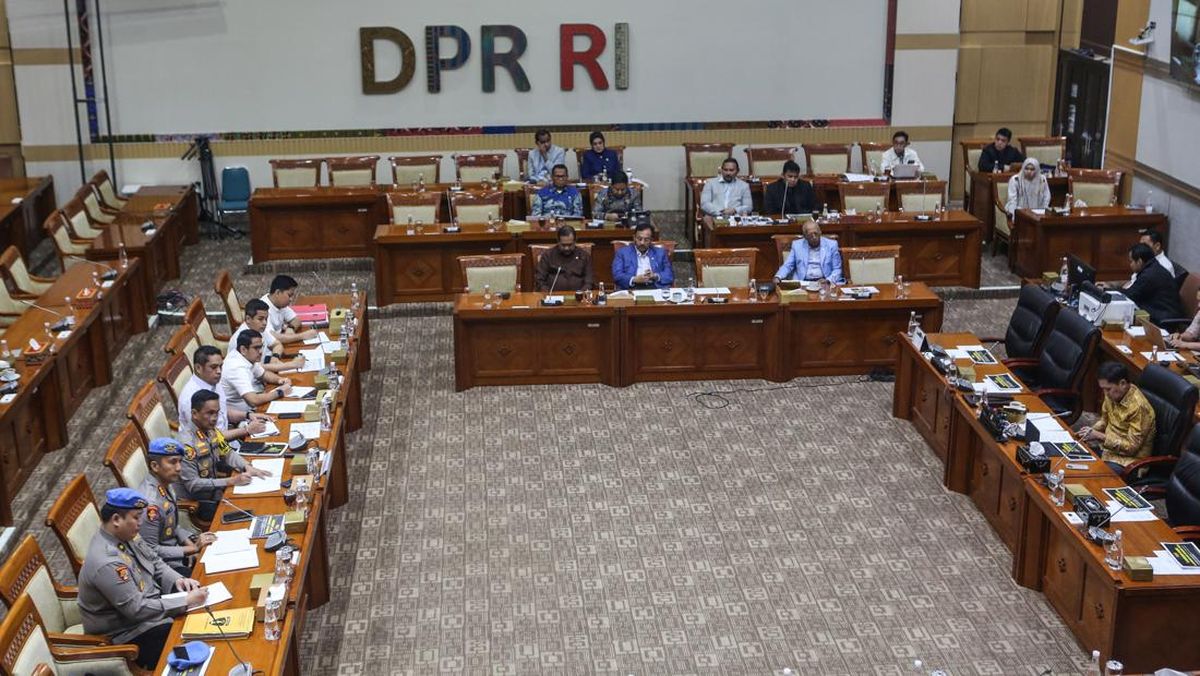
What can we do to prevent the need for people to go to hospital? The Victorians trying to answer that question are inevitably the first ones to face the axe when budgets get tight. Credit: Michael O’Sullivan
There was no hue and cry from the people who lost their jobs. Anyone who works in public health – the promotion of population-wide health – understands that whenever the budget clamps come on, they are first in line to get the chop.
There is unlikely to be much public outrage about these cuts. Most of us have only a vague understanding of what public health is and why the state government’s poor record of investment in it is a problem now and destined to become a much bigger one as our society grows fatter, more sedentary and more susceptible to chronic disease.
This is why the Allan government calculates that, once the immediate hullabaloo from public health experts dies down, not many voters will weep for VicHealth. Health Minister Mary-Anne Thomas, when quizzed about it on Tuesday, breezily told parliament: “It has got a great legacy but it’s time to do things differently.”
Anyone who can do arithmetic should be outraged. The federal government estimates that every dollar spent on public health today saves $14.30 on future health costs. If we don’t want tomorrow’s hospital bills to swallow our state and national finances, we need to find and fund better ways of convincing people to eat better, drink less alcohol and exercise more.
Today’s modest budget savings will be, quite literally, a killer in years to come.
The problem is that public health promotions can never compete, as a health priority, with ambulance and emergency department waiting times or waiting lists for elective surgery. As Public Health Association of Australia chief Terry Slevin says, the urgent always trumps the important.
This adage particularly holds true in Australia, where according to the Productivity Commission we rank 27th out of 36 OECD countries in the proportion of health dollars spent on preventative health.
In Victoria, despite the gaping holes the pandemic exposed in our public health system just five years ago, our investment has slipped back to near pre-COVID levels. The Australian Institute of Health and Welfare calculated that in 2023-24, Victoria spent just under $1 billion, or $185 per person, on public health. That places us, on a per capita basis, below every other mainland state and territory.
Since then, the government has further cut the funding it provides to the most significant COVID-era health reform: the establishment of local public health units across greater Melbourne and in regional centres. Thomas told parliament these units were duplicating some of VicHealth’s promotion and prevention work.
Loading
VicHealth, a health promotions agency created by the Cain government in 1987 to help sports organisations kick their addiction to tobacco sponsorship, is not sacrosanct. Given its founding purpose has ceased to exist, it was reasonable for former top bureaucrat Helen Silver, in conducting her review of the Victorian public service, to closely examine VicHealth.
The criticism of Silver and her review team is they took only a cursory glance before recommending it be abolished as a standalone agency and folded into the department along with its ring-fenced, $45 million budget.
In making their recommendation, no one from the Silver review sat down with the VicHealth board or senior management to better understand what they do. When Ian Hamm, a VicHealth director, was last month appointed the organisation’s new chair, he was not aware of Silver’s recommendations or the government’s planned response.
This was a missed opportunity.
The early work of VicHealth in supporting the Sunsmart and Quit campaigns and replacing tobacco advertising contributed to profound changes in social behaviour. Smoking rates have roughly halved in Victoria since VicHealth’s inception.
In more recent years, VicHealth has moved into campaigns to combat violence against women, racism and gender inequality. The tagline of VicHealth’s 10-year strategy – “Healthier, Fairer Victoria” – speaks to a mission creep beyond health outcomes.
A well-considered review of VicHealth might have reimagined its purpose and sharpened its focus. The Silver review didn’t try to do either of these things.
Instead, at a time when the West Australian government has appointed Australia’s first minister for preventative health and South Australia has joined other jurisdictions in adopting the VicHealth model, Victoria is abolishing its best-known public health institution.
Loading
If VicHealth is absorbed into the Department of Health without statutory protections for its purpose and budget, everyone in public health knows where it will end up. We only need to look at what is happening inside the department right now.
The jobs stripped from the community and public health division are part of a bigger restructure inside the department which, in effect, seeks to undo some of the damage inflicted by a previous restructure introduced less than two years ago.
The previous restructure diminished the role of Victoria’s Chief Health Officer by severing their direct control over communicable disease experts who provide frontline protection against outbreaks of measles, Mpox, RSV and whatever virus might fuel the next pandemic.
The latest changes are designed to restore this connection and give Chief Health Officer Caroline McElnay managerial responsibility for the state’s health protection. But if we return to the arithmetic, staff numbers don’t lie.
There are fewer people working for the Victorian government in public health than there were at the start of the year and two years before that. The same fate awaits VicHealth if the government goes ahead with its plans.
Chip Le Grand is state political editor.
The Opinion newsletter is a weekly wrap of views that will challenge, champion and inform your own. Sign up here.
Most Viewed in Politics
Loading