3 months ago
26
3 months ago
26
Brisbane has capped off a landmark 12 months that saw the River City leapfrog Melbourne to become Australia’s second-most expensive capital – fuelled by double-digit growth in house prices and a surging unit sector that few saw coming.
But as it sheds its “big country town” tag and grapples with a Sydney-sized affordability hangover, the question looms large: is relief in sight for cash-strapped buyers, or will Brisbane’s growth cycle roll on into 2026?
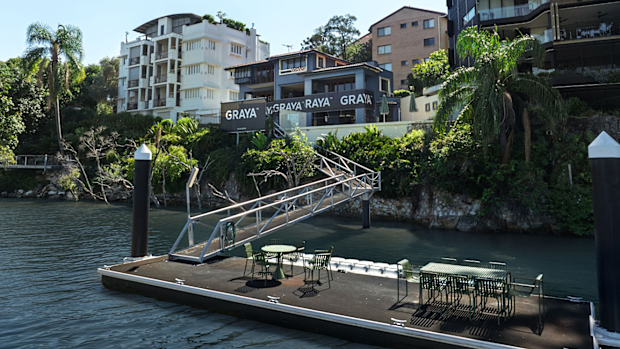
The rare riverfront property, at 17 Julius Street in New Farm, became Brisbane’s most expensive home.Credit: AFR
Experts say affordability hasn’t broken Brisbane’s momentum, but redirected it. And rather than cooling the market, skyrocketing prices have pushed buyers further afield – a trend that delivered some of the year’s strongest gains to once-snubbed fringe suburbs.
Houses in Springwood-Kingston and Cleveland-Stradbroke were among the clear winners of 2025, collecting annual growth of 17.5 per cent and 15.3 per cent to reach record medians of $822,222 and $980,000 on Domain data for the 12 months to September.
For units, Loganlea-Carbrook led the charge, jumping 22 per cent to $613,500.
And at a suburb level, Beenleigh units took the crown, with median prices surging 31.4 per cent in a year to $506,000, reinforcing the broader trend that saw unit markets, particularly in Brisbane’s middle and outer rings, outperform.
Loading
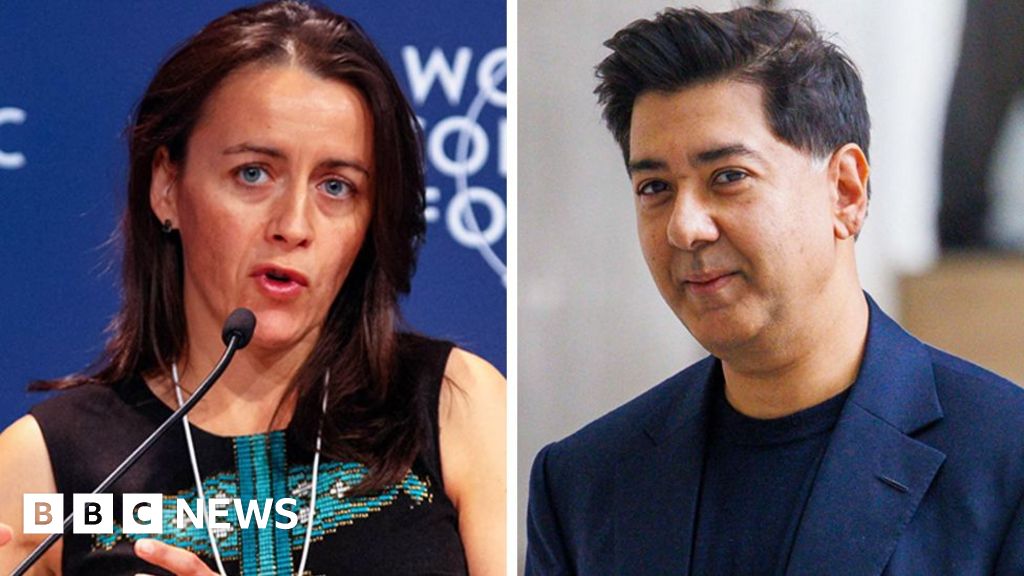
Ray White chief economist Nerida Conisbee said Brisbane’s extraordinary run had been underpinned by population growth, constrained supply and Olympic-driven confidence.
She expected prices to rise in 2026, but said another year of double-digit growth was unlikely.
“In 2025 we saw Brisbane kick over the $1 million mark … we also saw those suburbs on the outskirts of Brisbane that were priced under $400,000 just a few years ago hit $800,000 medians,” she said.
“But I don’t think that colossal growth can be maintained. And one big thing that would ensure that growth slows is an interest rate rise.”
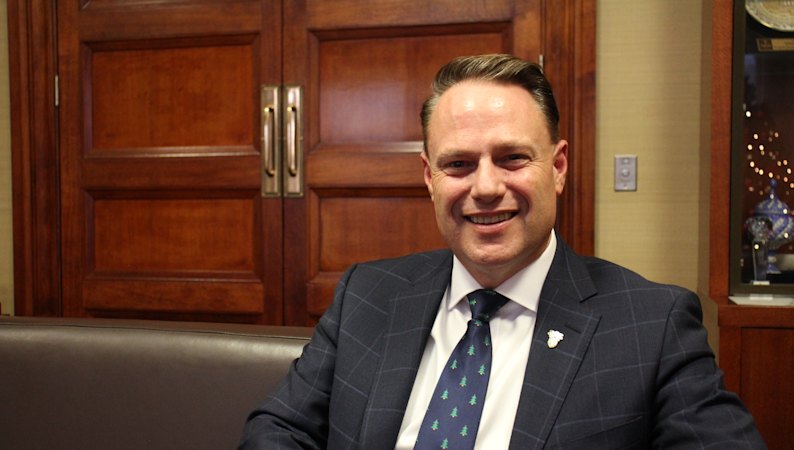
Place Estate Agents CEO Damian Hackett agreed that a rate hike was one of the few levers capable of easing Brisbane’s upward trajectory, but warned meaningful relief remained unlikely while demand continued to outstrip supply.
“Usually you’d say, no, we just can’t sustain the growth we’ve seen. But Brisbane hasn’t performed in those typical seven-year cycles you usually see,” he said.
Hackett said the rise of the apartment market was one of 2025’s defining stories, driven by affordability pressures and soaring construction costs.
Loading
“Then you’ve got those outer suburbs that were $400,000 a few years ago where homes are now selling for $1 million and that’s driven by that overarching narrative of the Games.
“Just look at the number of investors. They now make up 42 per cent of the market yet the 10-year average is in the 30s,” he said.
“Brisbane has really grown up … but the downside is if you’re a renter or first-home buyer it’s diabolical. The government has tried to help but it’s a supply issue.”
The prestige sector also collected another record-setting year.
A New Farm knockdown at 17 Julius Street smashed the city’s house price record when it sold for $25 million in November, delivering a $16.5 million windfall to celebrity builder Robert Gray, who bought the home for $8.5 million in 2022.
Nearby, at 26 Elystan Road, an architectural showpiece set an auction record – selling under the hammer for $18.5 million through Ray White New Farm’s Matt Lancashire.
Luxury apartments joined the surge, led by the record-setting sale of 1821/22 Refinery Parade, New Farm. The four-bedroom penthouse sold for $17.5 million in June through Sarah Hackett of Place New Farm.
Ray White New Farm principal Haesley Cush said 2025 would go down as one of the great years in Brisbane property history, with the apartment and prestige markets emerging as the standout performers.
“The apartment market was absolutely on fire and it was only matched by the power we saw in the prestige sector,” he said.
Pointing to a potent mix of supply shortages, elevated construction costs and sustained demand from locals and interstate buyers, Cush said the new wave of first-home buyers also fuelled the flames.
After a decade of underperformance, he said inner-city apartment owners were finally rewarded, while builders, renovators and developers delivering quality stock also had strong payoffs.
“Owners who held on since around 2014 finally saw meaningful capital gains this year,” he said.
But not all segments fared equally. Cush said homes in need of a reno – particularly those on smaller-than-average blocks – struggled to keep pace as buyers became increasingly cautious around build costs.
Looking ahead, he said he struggled to see how Brisbane’s market could slow materially, even if interest rates rose, with construction challenges and demand pressures unlikely to ease.
PRD Nationwide chief economist Dr Diaswati Mardiasmo said a growing number of suburbs pushed past the seven-figure mark as the city cemented its status as the golden child.
“There were so many outstanding moments for the city this year,” she said.
“Overtaking Melbourne to become the second-most expensive capital city was one, but also when we found out that there were more $1 million median suburbs than ever before and when our unit price growth overtook our house price growth.”
She agreed that momentum would continue to shift toward the last remaining affordable pockets, particularly in the middle and outer rings.
“But 2026 is going to be a very interesting year … the superstar performers will be anywhere left in that $500,000 price point including the super fringe suburbs that are 15 kilometres from the city.”
Most Viewed in Property
Loading