2 months ago
6
2 months ago
6
Tickets? Check. Phone charger? Check. Pre-trip health check? Add it to the list — it could be the most important booking you make.
Sponsored by GSK
Franki Hobson
December 16, 2025 — 11:25am
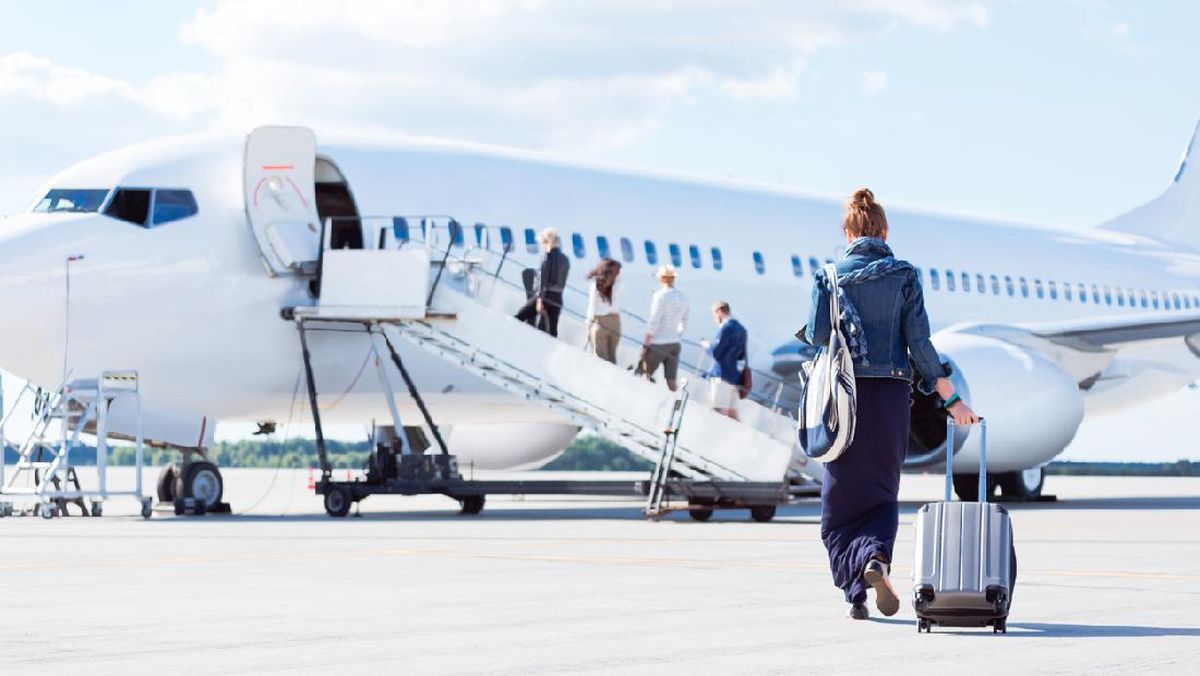
Older Australians are travelling big, from European river cruises and overseas family reunions to caravanning across the country. But while we pack, plan and dream, one thing often slips the list: a pre-trip health check. While we plan every detail — accommodation, transfers, chargers — we forget how common it may be for Australians to get sick on holidays.
Here’s how to be ready for your next adventure.
Plan for everything, including your health
For many Australians over 50, travel isn’t slowing down; it’s accelerating. It’s a deeply earned reward: a time to reconnect, wander without rushing, savour new experiences or simply be free from everyday life.
But between cruise decks, airport queues and world-famous (but crowded) museums, there’s something we don’t always contemplate: becoming unwell.
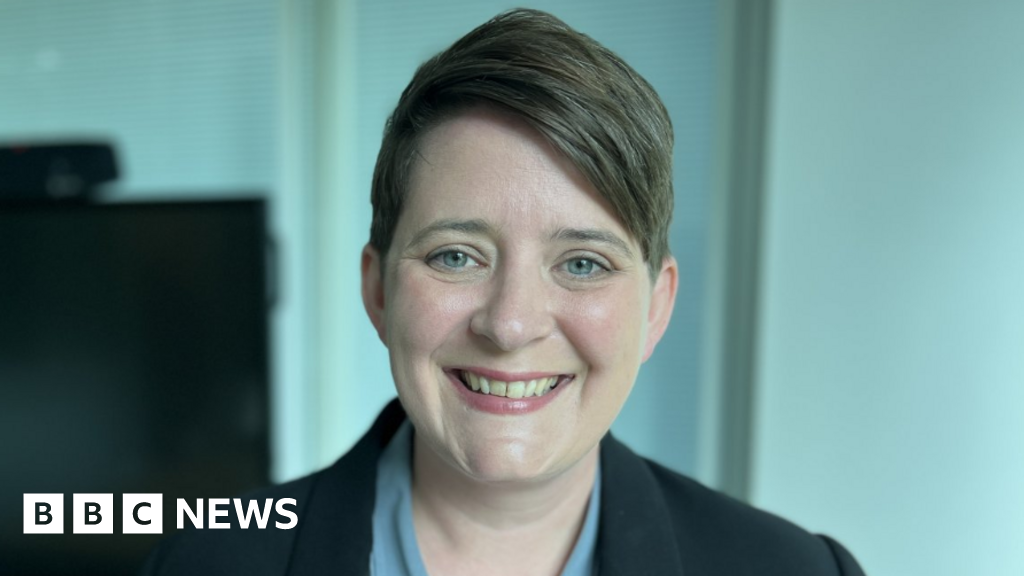
“Planning a big trip takes up so much mental space, that health gets pushed to the bottom,” says Associate Professor Holly Seale, infectious disease social scientist at UNSW Sydney. “Often, people simply don’t perceive themselves as at risk.”
The misconception that puts travellers at risk
When older Australians hit “book now”, health often feels like an afterthought. “People visiting family or returning to a country they know well are actually at higher risk,” says A/Prof Seale. “Compared to tourists they are less likely to see a doctor beforehand because they assume they ‘know the risks’.”
But risk isn’t just about geography, it’s about exposure. Even if you’ve travelled somewhere before, you won’t have the same level of immunity as people who live there year-round, are exposed to local viruses more often, or have recently updated their preventative health checks. And travel changes how we behave. We spend long stretches in closed or crowded spaces we wouldn’t normally be in at home, like cruise ships, long-haul flights, tour buses, museums and exhibitions. “Travel changes your exposure,” says A/Prof Seale. “Those environments are ideal for spreading respiratory viruses, including RSV, influenza and COVID-19.” That’s when an illness that often starts like a mild cold can turn into something more serious.
Respiratory viruses at a glance
Many people are familiar with Covid and influenza (flu); another common respiratory virus you may be less familiar with is RSV (respiratory syncytial virus). These viruses are highly contagious and can affect the respiratory system, including your nose, throat and lungs. They can spread easily through coughs, sneezes, close contact and contaminated surfaces.
Symptoms can range from mild cold-like cough, tiredness and nasal congestion, to more serious problems such as wheezing, shortness of breath or difficulty breathing. While uncommon, older adults and those with certain underlying health conditions are at increased risk of severe infection than younger adults or people without those conditions, which can lead to pneumonia or hospitalisations.
There are currently no specific treatments for RSV. Antiviral medicines may be a treatment option in some cases of influenza or Covid. Rest and lots of fluids may help with recovery. Importantly, if you are travelling and feel unwell, if your symptoms are severe or getting worse, or if you are unsure what to do, seek medical care.
Why this matters
While respiratory disease may not be top of mind during the Australian summer, if you are heading to the northern hemisphere for a holiday then talk to your healthcare professional about what respiratory viruses could be circulating.
What older travellers should know
A/Prof Seale stresses that age isn’t the issue alone, it’s the mix of age, health status, environment and behaviour. “If an older traveller gets sick, the consequences can be serious — cancelling or cutting a trip short, ending up in a health facility overseas, or bringing infections back into the country.”
Some underlying heart, lung or immune conditions can lead to more severe disease and a higher risk of being hospitalised. “There are lots of things we can do to help reduce the risk of catching or spreading respiratory diseases while traveling like good hand hygiene, covering your coughs and sneezes or wearing a face mask,” says A/Prof Seal. “Vaccination can also help protect against some respiratory diseases.”
Your health passport: the smart traveller’s checklist
Here’s what A/Prof Seale recommends building into your planning timeline:
1. Book a pre-trip health appointment. “Ideally a couple of months before you travel,” she says.
2. Ask your GP, pharmacist or travel clinic to: review your itinerary; assess risks based on destination and activities; and provide personalised guidance on respiratory infections or other illnesses you can catch while travelling.
3. Last-minute or domestic trip? Still worth a chat. “Even if your trip is last-minute, still talk to a GP or pharmacist. There are always strategies to reduce risk.”
Health isn’t about restriction, it’s about confidence. Enjoy the journey
“Make health part of the travel planning. Enjoy your trip, there are simple ways to reduce your risk” says A/Prof Seale. Because you’ve waited too long for this trip to miss a single moment.
Be RSV wise and speak to your doctor or pharmacist. If you’re planning to travel to the northern hemisphere during winter, your healthcare provider can help answer any questions you may have about your risk of RSV and other infectious diseases, their potential impact, and which prevention options are appropriate for you. You can learn more about RSV at RSVWise.com.au Sponsored by GSK. GSK Melbourne, VIC ABN 47 100 162 481. Information provided by GSK, NP-AU-AVU-ADVR-250005
Sign up for the Traveller newsletter
The latest travel news, tips and inspiration delivered to your inbox. Sign up now.