3 months ago
20
3 months ago
20
The NRL turned over a confidential list of 178 players for suggested targeted drug testing by Sport Integrity Australia for the 2025 season – more than three times the number given by the AFL – it has been revealed in an inquiry into Australia’s anti-doping scheme.
A report into the drugs-in-sport watchdog in March showed the AFL had provided the names of 51 footballers last year, 50 of whom ended up being tested.
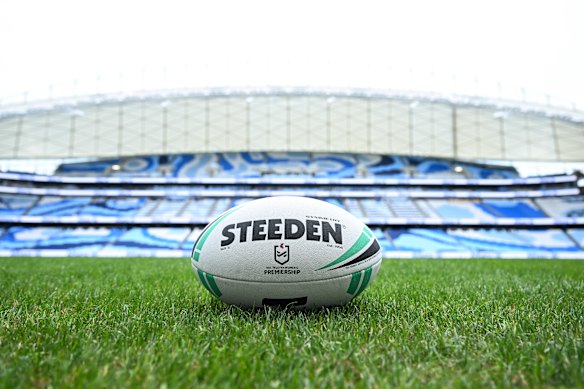
Sport Integrity Australia conducts more testing on rugby league players than in any other sport.Credit: NRL Photos
Sport Integrity Australia has since divulged that the NRL also issues lists to the federal government agency based on its own intelligence and has now produced the figures for the first time.
It revealed that the names of 178 players were handed over by the NRL last year for the purposes of testing for the 2025 season.
Of them, 108 were tested, and 14 were tested more than once, Sport Integrity Australia said in response to questions from federal parliament’s Joint Committee of Public Accounts, which is conducting an inquiry into its management of the anti-doping system.
The figure is a large increase from the previous year, in which the NRL gave a list of only 31 names, 18 of whom were tested, and offers an insight into how the football code works with the anti-doping agency to help protect the integrity of the competition.

Sarah Benson heads Sport Integrity Australia, which replaced the Australian Sports Anti-Doping Authority in 2020.
It wasn’t made clear if the numbers included players from the NRLW and state leagues. There were no figures provided for the 2023 season.
According to Sport Integrity Australia, the AFL produced 95 names for suggested testing for the 2023 season, 36 of whom were tested, and 37 players for the 2024 season, 22 of whom ended up in the testing pool.
Sport Integrity Australia maintains it makes all decisions on which athletes are tested for recreational and performance-enhancing substances, but receives information from sports and other parties, including the NRL and AFL, who have their own intelligence-gathering integrity units.
“We approach all sports and actively seek input from each sport regarding which athletes should be considered for testing,” the agency told the inquiry. “Prior to any information being shared, we engage in a detailed discussion with the sport to identify relevant athlete risk factors, these typically include specific risk factors that we consider relevant in determining who to test.
“Following these discussions, sports then provide a name/s for our consideration. The number of athletes for each sport vary year to year. We review the lists provided and consider our own internal holdings/intelligence against these athletes when determining who we place onto a testing pool or who is suitable for testing.”
Rugby league hasn’t had a positive drugs case in the NRL as a result of Sport Integrity Australia testing in the years in which the agency has said the code shared a list of names.
One player from the 51 identified by the AFL in its most recent list did return an adverse analytical finding.
The NRL declined to comment.
Loading
The NRL and the AFL are the only sports that provide such lists among those who can afford to help cover the cost of testing with user-pays arrangements with Sport Integrity Australia.
The watchdog said there were 715 tests conducted on rugby league players in 2024, including in the NRLW and lower leagues, more than double that of any other sport it provided details for.
There were 248 tests on players in the AFL, AFLW and state leagues, 240 in soccer’s A-Leagues and 182 on those in rugby union.
The anti-doping inquiry was prompted by a report from the Australian National Audit Office, which revealed gaps in off-season and pre-season testing in the major football codes and cited “intelligence relating to sophisticated blood and erythropoietin (also known as EPO) doping in Australian sport and cocaine culture among athlete cohorts”.
Sport Integrity Australia has said it uses a range of factors to determine whether to test particular athletes. They include their test history, sporting performance, any repeated failure to meet whereabouts requirements, association with a third party with a history of involvement in doping, the age and state of their career, any financial incentives, and reliable intelligence.
Most Viewed in Sport
Loading