2 months ago
19
2 months ago
19
The bath, the shed and even a coffin: the strangest places authors find inspiration
Benjamin Wood started writing his new novel at the same time as his London neighbour was building an extension. He tried in vain to block out the noise. He took his novel to libraries and cafes, and finally decided he just didn’t want to write it anyway.
Then he went for a walk, carrying a notebook and pencil out of habit. Down the road was a church with a garden of remembrance, a peaceful place. He sat down on a bench, not expecting anything. “The words arrive before I’ve got my pencil ready,” he writes in Lit Hub. “The act of scrawling them upon the page is tangible and pleasing … Where has this feeling been so long? Expecting me to show up at this garden of remembrance, I suppose.”
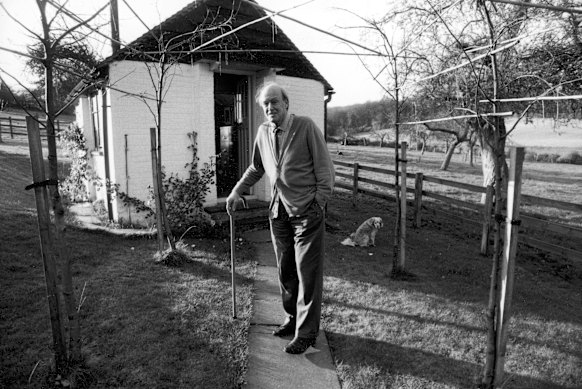
Author Roald Dahl outside the shed in Buckinghamshire, England, where he wrote his books.Credit: Getty Images
Every day he went to the bench, sat down and wrote in his notebook. He felt closer to his hero, Thomas Flett, who earns his living catching shrimp. “He works in any weather, so I do the same,” Wood writes. It helped to be rained on or to feel biting cold. And his bench habit produced a novel, Seascraper.
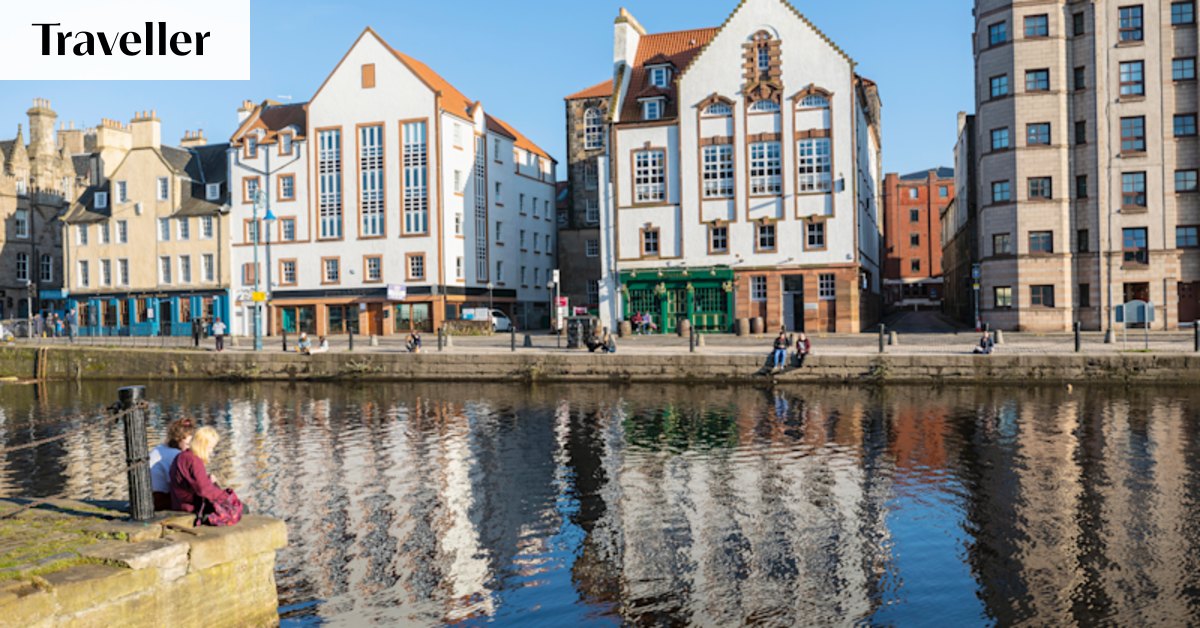
Wood is not the only writer who discovered he worked best in a strange place. Every Harry Potter fan knows that J.K. Rowling wrote most of her first book in the series in an Edinburgh pub, just to keep warm, but that’s not so unusual. What about a bath? Benjamin Franklin worked in his bath each morning, and Dalton Trumbo worked in his bath each night, accompanied by his parrot. Agatha Christie conjured up her plots in the bath while munching apples. Virginia Woolf would speak dialogue out loud in the bath.
I’ve visited the summer house at Monks House, a converted shed where Woolf did her writing. Winnie the Pooh creator A.A. Milne wrote his book of verses When We Were Very Young in a summer house over 11 wet days because he wanted to finish before it stopped raining.
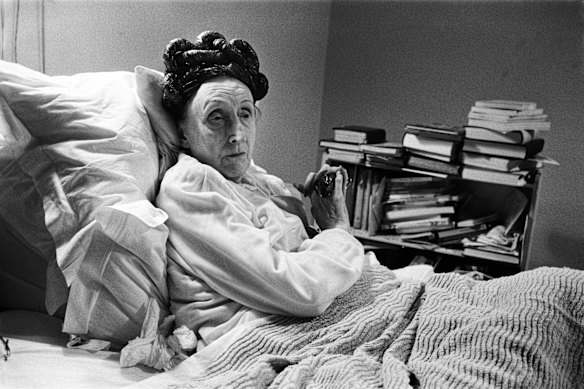
The eccentric poet Dame Edith Sitwell, at 75. She did much of her writing in a coffin.Credit: Alamy Stock Photo
Dedicated shed writers include Dylan Thomas, who wrote in a bike shed on stilts above a cliff at his home in Laugharne. He inspired Roald Dahl to set up his own shed, a tiny hut he filled with suitably weird ornaments such as a giant ball made from foil chocolate wrappers and a cupboard door handle made from his own hip bone.
George Bernard Shaw had quite a sophisticated shed, which he could revolve through the day to follow the sun. The shed was called “London” so unwelcome visitors could be told he’d gone to London. During the COVID lockdowns, Hamnet author Maggie O’Farrell hid in her daughter’s Wendy house to get away from the family and write.
Other writers liked to work on the move. John le Carre composed his spy novels in red pocket notebooks on his daily train commute to his job with MI5. Gertrude Stein preferred to work when her Model T Ford was parked and found the busy Paris streets gave her a good rhythm. Sir Walter Scott dreamt up poems while riding his horse through the Scottish hills.
Loading
I’m not sure where the strangest places to work might be, but one would surely be the coffin in which the poet Dame Edith Sitwell napped and wrote. The Italian poet Gabriele D’Annunzio wrote a long poem, Notturno, in a hospital bed when he had lost his sight. He wrote each line on a paper strip, contorting his body into a shape that avoided any shaking.
Kathleen McCleary wrote on a laptop in a canoe. But she doesn’t advise it “unless you are on a very calm lake and are not clumsy”.
The Booklist is a weekly newsletter for book lovers from Jason Steger. Get it delivered every Friday.
Most Viewed in Culture
Loading