2 months ago
20
2 months ago
20
OK Boomers, gather round. I know you love your English. Proof is your wince each time a dictionary acclaims such twaddle as “skibidi” and “67″ (six-seven, never sixty-seven) as words of the year. Kids today have no reverence for grammar, let alone orthodox nouns. What the hell is happening to our mother tongue?
The simple answer is the algorithm. The messier answer lies in Algospeak (Ebury, 2025) by US linguist Adam Aleksic. The subtitle says more: How Social Media Is Transforming the Future of Language. True to nature, as an antsy purist, you’re likely despairing about Aleksic’s flawed verb (Media are! Media are!) but that only supports the book’s point.

You don’t have to love this year’s new lingo but it’s here to stay.Credit: Getty Images
“In reality, of course, ‘correct’ English is a construct,” writes Aleksic. “The purpose of language is to be understood, and people can get their point across in many different ways.” On platforms like TikTok and Instagram those ways proliferate, since the algorithms driving such sites encourage original expression, reward neologisms and promote maverick usage. It’s called slang-boosting, or algorithmic pandering, to help your content stand out.
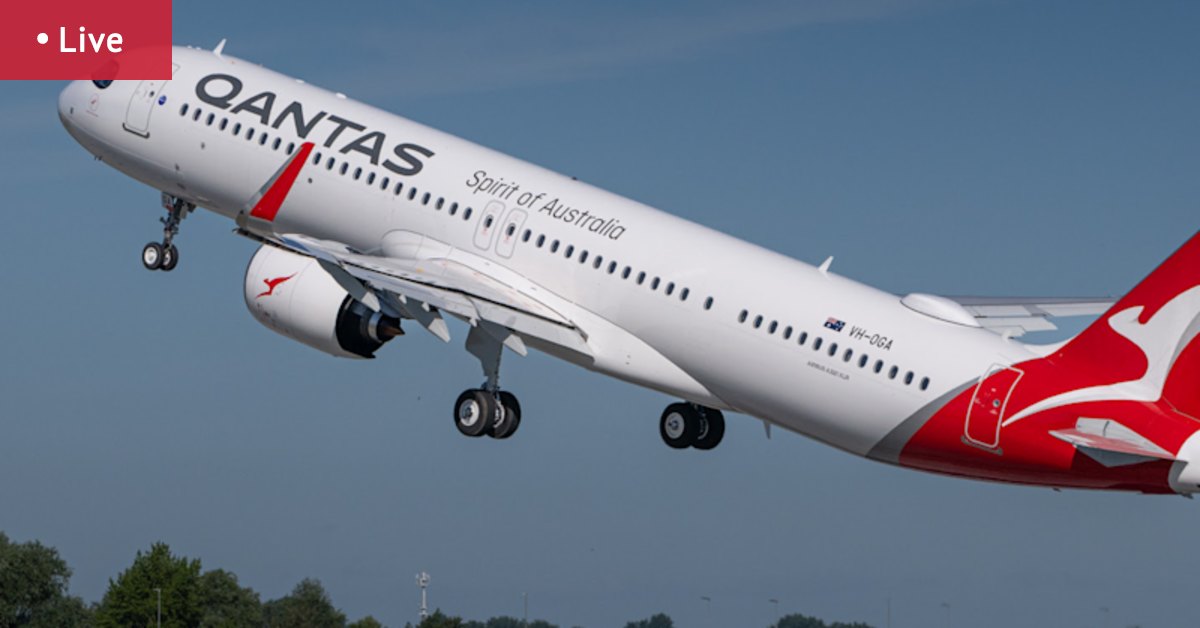
Take Canadian influencer Khai Bellamy. (Yes, Boomer, I heard your eye roll from here. You hate the word “influencer”, don’t you?) With 2.6 million followers, Bellamy has influence, as does her knack for sassy coinages. In one viral video, as Algospeak reveals, Bellamy describes a budget airline as a “closet with wings”, seeing her family “Amish-shun” her dad for booking tickets, the man placed on “marital probation”.
Each new term is catchy, meaning more followers. Further, should Amish-shun snowball, or marital probation migrate to cafe chat, then Bellamy’s video gets more clicks as the slang’s first citation. Now swap either term with skibidi, or 67, because that’s the other aspect of language upheaval. As teens and memes scatter new words, the novelties may spread just as their context will collapse.
Eventually, what began as a generational game, a token of in-group status, a means of building the “curiosity gap” as scrolling demands, could end up in the dictionary much like a fish out of water. So why keep it, you ask? Why dignify the nonsense? Because the slithy toves did gyre and gimble in the wabe, I’d argue. Or 2 billion net users (out of 7 billion) are using looksmaxxing or sigma, and maybe it’s time to accept you’re not one of them.
Loading
Day by day we live by Poe’s law. This is the idea that without a clear signal of an online author’s intent it’s impossible to tell the difference between sincere X and a parody of X. Be that extremism, or satire, or good old-fashioned rage bait – Oxford University Press’ recent word of the year.
Censorship is the other inbuilt influencer, and all the wordy ways a content creator can escape the net’s net. Whether that’s taboo topics (think suicide) or China’s great firewall, canny users will speak around the no-nos, coining “unalive” (the verb) or using hexie (the Mandarin word for river crab, a near-echo of harmony in Chinese) to keep their posts online, or at least avoid each platform’s “shadowbanning”.
Clearer now, gramps? You vibing the rizz, nan? While you don’t have to love the upstart lingo, dear Boomer, at least you now know why there’s skibidi aplenty and countless 67. Sorry to say, mum and dad, but slay is here to stay, and to argue different is sheer delulu.
Get tips, tricks and word games from our crosswords guru, plus links to our online puzzles and quizzes, delivered to your inbox every Saturday. Sign up for our Puzzled with David Astle newsletter.