2 months ago
15
2 months ago
15
Opinion
December 26, 2025 — 7.30pm
December 26, 2025 — 7.30pm
Why is everyone apologising? It’s 50 years since Elton sang Sorry Seems To Be the Hardest Word, yet these days I spend my time swatting more apologies than flies at a one-day cricket match. So prolific is its use you would think we’ve all been very, very naughty.
The widespread overuse, and misuse, of this short but powerful word has dulled our senses by diluting its significance, revealing a societal need to constantly placate, along with spotlighting the demise of sincerity. Sorry, as it happens, seems to be the easiest word.
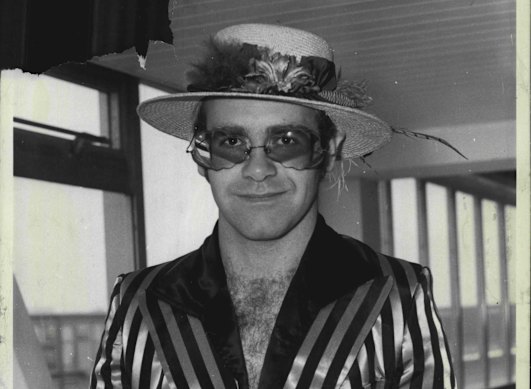
Elton John in 1976, when he reckoned ‘sorry’ was the hardest word.Credit: Syndication International
My observations have led me to a vast and cavernous void between saying sorry and needing to say sorry. The Oxford Dictionary defines sorry as an expression of sadness or sympathy, and to feel regret. We’ve managed to expand this meaning, exposing either a lack of vocabulary or a true intent.
Sorry is the go-to for the over-apologiser, for example, revealing more about their self-esteem than their regret or sympathy. This is the person who says sorry to you when you’ve stubbed your own toe, like they were somehow responsible. Thoughtful as an expression of sympathy maybe, but completely misplaced as regret.
Sorry is the perfect foil for manipulators who use it to parry and advance a behaviour they are never going to change. They’ve learnt that saying sorry gets them off the hook without having to mean it, feeling neither sympathy nor regret.
Loading
Sorry spat viciously is an effective and cutting barb suggesting the speaker is most definitely, and defiantly, not sorry. Served with a side of sarcasm would also suggest that they’d happily do it again.
Then there is the prolifically misused sorry that adorns every question like an inoculation against potential conflict. “Hello, I’d like to pay my account,” I said. “Sorry, what was your name” came the reply. Sorry, can you pass a napkin? Sorry, do you have the time? Sorry, is that chair taken?
The conditional sorry comes with a barrage of excuses that won’t stop until someone absolves the over-explainer of any wrongdoing. Sorry I’m late, but my alarm didn’t go off and I got held up in traffic because a family of ducks crossed the highway and I missed the turn and the GPS went crazy, and I couldn’t find a park ...
My favourite in this sorry tale is the sorry-not-sorry. This starts with regret, yet the subsequent statement reveals it was a ruse to soften their outrage. “I’m sorry, but they got what was coming to them!”
Loading
How do we stop the lazy, nervous, out-of-context and belligerent use of a word that requires only sincerity and a punctuation mark? I think that ship has sailed, but maybe we can refrain from being offenders ourselves.
To the person who just stubbed their toe, “Are you OK?” would suffice. If saying sorry to get someone off your back is a repeated trope, try explaining why you are not sorry. It might help you clarify what needs changing in your life.
Try replacing sorry with an “excuse me” at the beginning and a “please” at the end when asking someone for their name, the time or directions. If over-sharing the circumstances of a late arrival is your problem, resist wasting more of their time with your sordid tale and show your regret by thanking everyone for their patience.
To the sorry-not-sorry brigade out there, try a course in self-confidence. If you are going to give your opinion on a controversial topic, omit the sorry and stand by your convictions. The disclaimer at the beginning alerts the listener that you are about to say something salacious and divisive before you’ve even had a chance to explain.
As for the sarcastic sorry, this one is rarely open for interpretation and has been a mainstay in TV sitcoms and comedy for as long as I can remember. It’s entertaining, so knock yourself out.
Once a word used judiciously for fear it would reveal vulnerabilities and misdeeds, sorry has crept into our vernacular like an audible placeholder akin to um and like. Rather than dwell on this misuse, let’s turn our attention to when it is appropriate to say sorry. Specifically, when we’ve done the wrong thing and we need to apologise. With sincerity, just say sorry.
Jo Pybus is a freelance writer and host of the Alex the Seal podcast.
Most Viewed in Lifestyle
Loading