2 months ago
6
2 months ago
6
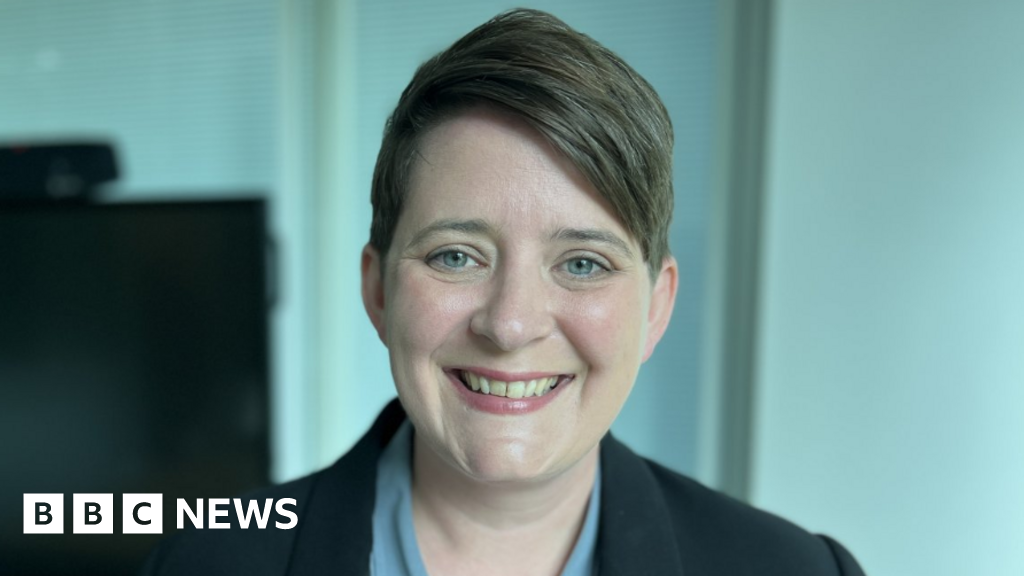
Dr Elisabet Lahti was pounding the roads of New Zealand’s South Island when it started. The niggling pain in her ankle was not so bad that it stopped her in her tracks, but it also would not go away. She had been running on average 48km for the past seven days, the start of a record attempt in 2018 to run and cycle 2400km over the island.
“The highway I was running on got so hot that the heat was coming through my shoes and making my feet swell and altered my gait,” she says. “I got these blisters and everything. I treated the imbalance in my body, but I was in a lot of pain between days eight and 12.
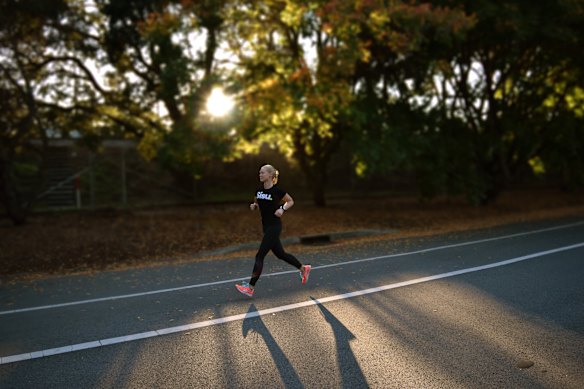
Dr Elisabet Lahti says sisu helped her process a nagging injury she developed while running across New Zealand.
“But then here comes the question that is so universal to all of us: should I push onwards or should I now quit?”
To answer it, Finnish-born Lahti invoked the philosophy of her homeland, known as sisu.
Shaped by the country’s extreme weather conditions and long border with neighbouring Russia, sisu has typically been defined an unflinching inner strength, the ability to push on in the harshest of conditions and to dig deeper when faced with seemingly insurmountable odds. Its origins go back 500 years or so and much has been made of its usefulness for developing mental toughness and coping with stressful periods.
Some would also argue it is one of the key factors in Finland’s position as the happiest country in the world.
For Lahti, it’s been the subject of her thesis, resulting in her book Gentle Power: A Revolution in How We Think, Lead, and Succeed Using the Finnish Art of Sisu. Now considered an expert on the topic, Lahti says much of what has been written about sisu in the past has missed the point.
Loading
“Sisu to me is like roots, it’s what digs us to the ground,” she says via Teams from her home in Finland. “So if there is a storm, we’re not just knocked down.”
In the context of the challenge she had set herself in New Zealand, it is not so much about the ability to withstand pain, but looking within to find the strength to go on.
“Sisu as a word, it literally means when translated insides, the intestines. It is to understand what and who we are,” she says.
Key to this is quietening the expectations of the outside world and listening to ourselves.
“Sisu is unique as a concept in psychology because in Finnish culture sisu is not just a word that denotes tenacity or this inner resilience and great perseverance, but it also has this flavour of moral correctness and integrity,” Lahti says. “You do something and you do it really well, even when no one is watching.”
Despite depictions in popular culture – there was an action film called Sisu released in 2022 – Lahti says true sisu is quiet, contemplative and even gentle. The concept has applications for Australians.
Loading
Podcaster Susanna Heiskanen – author of Nordic Lifestyle: Embrace Slow Living, Cultivate Happiness and Know When to Take off Your Shoes – sees many similarities between Australians and Finns.
“When I moved [to Australia] in 2008, I was surprised by how similar these two nations really are. After living 10 years in the UK, it was lovely to discover the shared love of nature between Australians and Finns – nature is truly important to both cultures.
“The relaxed attitude towards life, people being respectful and kind, always interested in the world around them – these similar traits made me feel at home from the start.”
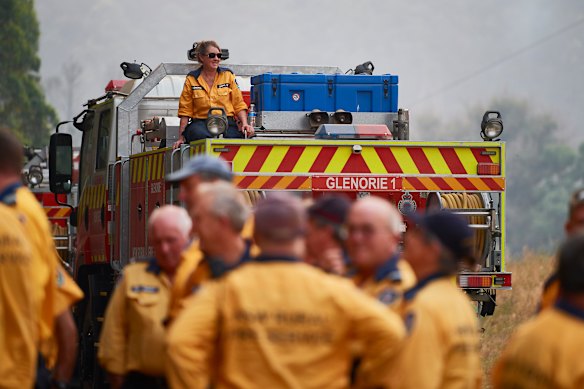
Susanna Heiskanen says she has seen sisu in action in Australia as communities face adversity like natural disasters together.Credit: Brett Hemmings/Getty Images
But she has also seen the way Australians unknowingly tap into the tradition of sisu, most tellingly when conditions push people to the brink and communities come together to support each other through hard times.
“I see a communal spirit here in Australia that mirrors sisu,” Heiskanen says. “Looking at disaster-affected areas, I see sisu in action – people working together towards a common goal, using their inner strength to get through flood or bushfire-ravaged lives, rebuilding their livelihoods and homes.”
It’s a philosophy that Finns continue to draw upon to withstand difficulties, apparently against the odds, she says.
“Sisu is a collective determination that the nation has in abundance,” she says. “I recently saw a documentary about Finnish preparedness against occupation or war – the underground tunnels and halls that are used daily for sports, parking and children’s activities, but can house more people than the entire population of Helsinki. That’s resilience in action: planning ahead and making sure you’re prepared no matter what.
“Sisu is also taught in schools as a concept when discussing history and the meaning of perseverance. We Finns have learned not to give up even when logic says we should. The 1939 Winter War against Russia is a powerful example of this national character.”
Loading
Both women talk about the true strength of sisu being not just in the ability to push on, but also to stop.
“I don’t think you can ever have too much sisu. It’s your superpower for happiness, and there’s never too much happiness in the world,” Heiskanen says. “That said, true sisu also means knowing when to rest and regroup – it’s sustained strength, not reckless stubbornness.”
For Lahti, when pounding the NZ asphalt, the ultimate reckoning came when she listened to what her body was telling her.
“It was a Guiness World Record pursuit and people were watching it, so it was a pressure. But there is always a thing of ‘are we listening to the drumbeat outside or is it our own?’ That’s where the whole thing shifted for me and that’s where our sisu becomes sustainable, when we listen to ourselves.”
In a world full of uncertainty, Lahti says sisu can show a way forward.
“It is something that allows us to push through those hard things,” she says. “But the idea isn’t that we evermore live in societies where we need to use our sisu to simply find a way to survive through our days, but how do we create more compassion and care so that we can strengthen that power within us and use it to build a better environment.
“Sisu lives in this togetherness. It stays not just in you but in me, it lives in between us.”
Make the most of your health, relationships, fitness and nutrition with our Live Well newsletter. Get it in your inbox every Monday.
Most Viewed in Lifestyle
Loading