3 months ago
7
3 months ago
7
Sarah Turnnidge,International Dispute Resolution Centre, Londonand Harriet Robinson,West of England

 Handout
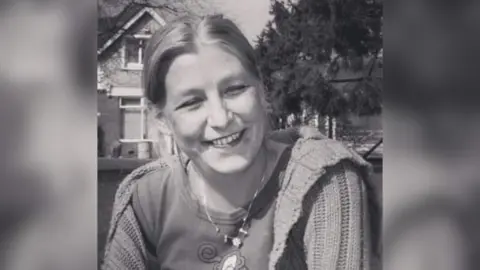
Dawn Sturgess died in July 2018, eight days after being poisoned by Novichok
Russian President Vladimir Putin was "morally responsible" for Dawn Sturgess' death from Novichok poisoning in 2018, an inquiry has concluded.
The mother-of-three's condition after she sprayed nerve agent, disguised as perfume, on her wrists had been "unsurvivable from a very early stage", the final report said.
Ms Sturgess was unknowingly given the poison in June 2018 by her partner Charlie Rowley, who had found it in a charity bin shortly after the attempted assassination of a former Russian spy Sergei Skripal and his daughter Julia in Salisbury, Wiltshire.
Russia, which has always denied involvement in the attacks, described the report's findings as "tasteless fairy tales".
Weeks of public evidence, as well as a series of closed hearings regarding secret intelligence, culminated in the report released earlier.
"I have concluded that the operation to assassinate Sergei Skripal must have been authorised at the highest level, by President Putin," said the inquiry chair, Lord Anthony Hughes.
"I therefore conclude that all those involved in the assassination attempt... were morally responsible for Dawn Sturgess' death."
UK Prime Minister Keir Starmer said the report's findings were "a grave reminder of the Kremlin's disregard for innocent lives".
Following the report's release, Russia's main military intelligence agency, the GRU, was sanctioned in its entirety by the UK government.
The UK "will always stand up to Putin's brutal regime and call out his murderous machine for what it is", said Sir Keir, referencing the additional sanctions as "the latest step in our unwavering defence of European security".
Ms Sturgess' family said: "There should be, there must be, reflection and change.
"Today's report has left us with some answers, but also a number of unanswered questions."
 Reuters/BBC
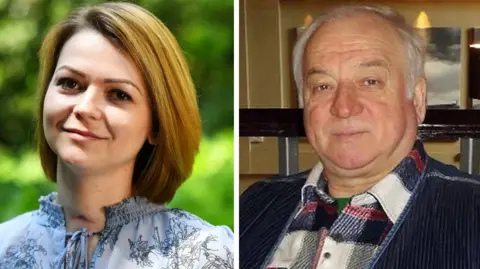
Yulia Skripal and her father Sergei Skripal are believed to have made a full recovery
The two Russian nationals who travelled to Salisbury to carry out the attack were aiming to harm Mr Skripal and his daughter, who were found seriously ill in central Salisbury on 4 March 2018. Both are believed to have made a full recovery.
Wiltshire Police did not know at the time of the poisonings that Mr Skripal, who had been released in a prisoner swap, lived in the area.
In the inquiry report, Lord Hughes said that when someone with a "sensitive background", such as Mr Skripal, moves to the UK there should be a way to alert senior officers if "anything significant" happens to them.
There had been failings in how Mr Skripal was managed, the report concluded, as regular written assessments were not carried out.
But it had not been "unreasonable" to think the former spy was not at a high risk of assassination, Lord Hughes said, adding that additional security measures would not have prevented the poisoning.
The only thing which may have avoided the attack was giving Mr Skripal a whole new identity, but the risk was not deemed severe enough in 2018 to warrant it and Mr Skripal would not have agreed to it, the report explained.
It also said the attack on the Skripals had been "expected to stand as a public demonstration of Russian power" and "amounted to a public statement, both for international and domestic consumption, that Russia will act decisively in what it regards are its own interests".
 Handout
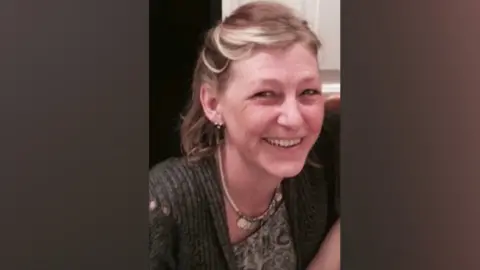
"We can have Dawn back now," say Ms Sturgess' family
Wiltshire Police apologised during the inquiry in late 2024 for wrongly referring to Ms Sturgess as a "well-known drug user", with the inquiry looking into the similarities between symptoms of opioid overdose and nerve agent poisoning.
As to whether emergency service first responders should have been warned about the risk of confusion between symptoms, Lord Hughes concluded this "did not make any difference" to the treatment of Ms Sturgess and "no alert could have saved her".
It also did not make "any significant difference to the treatment" of her partner, as the paramedics who cared for Mr Rowley had immediately suspected nerve agent poisoning and treated him accordingly.
The inquiry also found it reasonable that members of the public in Salisbury had not been warned against picking up litter after the attack on the Skripals.
This message was later issued after the death of Ms Sturgess.
Lord Hughes said the "danger of adding public alarm was a real one" after the first incident and the likelihood of assassins abandoning a lethal substance so a member of the public could find it was "small".
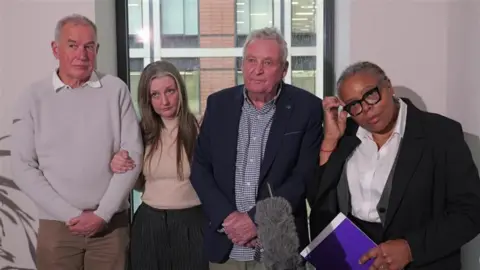
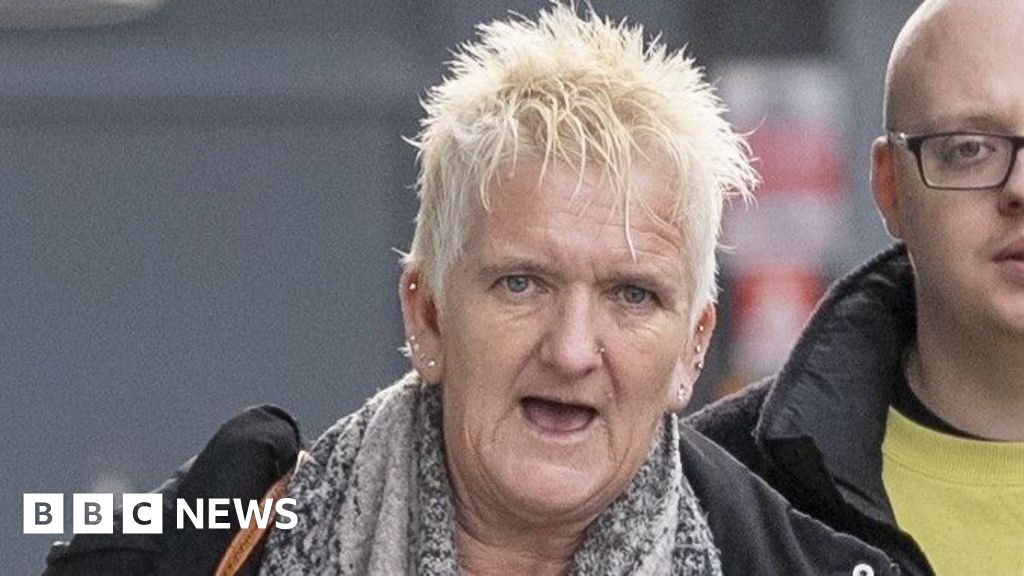
Ms Sturgess' family say the report has left them with "some unanswered questions"
In a statement delivered after the report was publicly released, Lord Hughes said the mother-of-three's death was "pointless and arbitrary", adding she had been an "entirely innocent victim of the cruel and cynical acts of others".
The report concluded the care she received had been "entirely appropriate" and "no medical treatment could in fact have saved her life".
"She had sustained [an] unsurvivable brain injury," Lord Hughes explained.
Ms Sturgess' family said they wanted to ensure what had happened to her did not happen to anyone else and there was "real concern" around what they claimed was a lack of recommendations from the report.
Asked by a reporter about what the publication of the report meant to them, a family member replied: "We can have Dawn back now... she's been public for seven years.
"We can finally put her to peace, that's all I've got to say."