3 months ago
15
3 months ago
15
When Theresa found herself homeless and camping on a Mornington Peninsula foreshore, it was the seemingly small indignities that were among the most stressful. And humiliating.
For a while, she refused to go the toilet after 6pm.
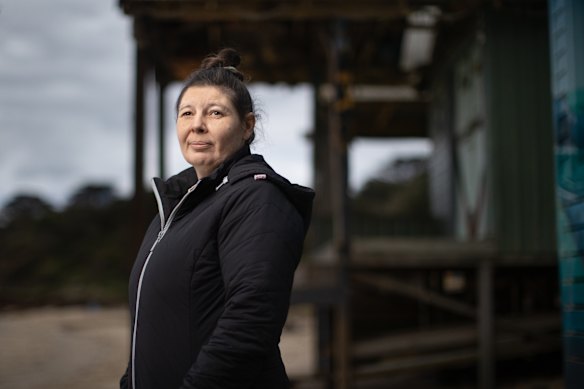
Theresa struggled with homelessness after the private rental she was living in was demolished. Credit: Simon Schluter
“When you’ve got people under the influence of whatever they’re on, jumping out the bushes at you and chasing you for fun, homelessness is scary,” she said.
So, Theresa bought a portaloo camping toilet so she could use it at night.
“It’s so embarrassing when you’re running busting for your toilet tent and everyone’s looking.”
Yet, Theresa was far from alone. Despite its multimillion-dollar properties with dramatic bay and ocean views, the Mornington Peninsula has become a hotspot for homelessness. Foreshores, caravan parks and car parks are the only resort for scores of people.
Following the deaths of four rough sleepers in the past 15 months on the peninsula, local support services are sounding the alarm.
In October, they had the highest number of people sleeping rough, hitting a peak of 100 people, according to figures collated by the Melbourne Zero project. During the same period, the City of Melbourne recorded 78 people sleeping rough, the City of Yarra reported 38 and there were 48 in the City of Port Phillip.
In addition to those rough sleeping in the City of Melbourne during October, there were 23 people in respite accommodation, 60 in temporary stable housing and 19 in other or unknown circumstances. During that time on the Mornington Peninsula, there were 14 people recorded in respite, seven in stable temporary housing and seven in other circumstances.
The figures come from the “By-Name list”, which keeps track of every person sleeping rough in a community with whom services have had contact.
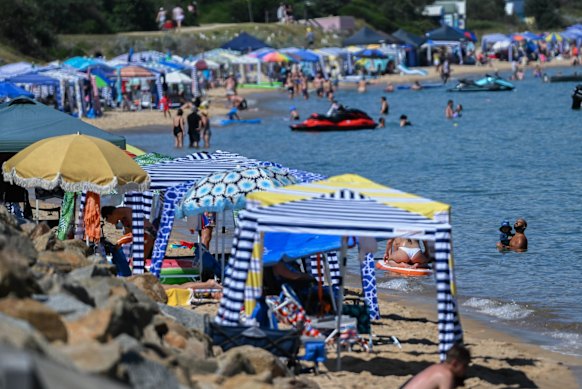
Despite its attractions, the Mornington Peninsula has a major homelessness problem. Credit: Joe Armao
Advocates of the list say it provides the only real oversight of the scale of rough sleeping across Melbourne. Community services using the list work together to secure support and housing for people sleeping rough.
The Zero Project is part of the Victorian Alliance to End Homelessness, which aims to end rough sleeping in Melbourne by 2030 and regional Victoria by 2035. There are 11 participating councils, but the initiative is mostly funded through philanthropy.
Rough sleeping can include living on the streets, in parks or squatting in buildings. People are added to the By-Name list while sleeping rough and often move into other forms of homelessness, including couch-surfing, emergency housing or other short-term arrangements while waiting for longer-term homes. Securing long-term housing can take years.
Theresa’s descent into homelessness began when she had to leave her private rental home in Capel Sound because it was being demolished. She had stints staying with family, sleeping in her car and living in caravan parks.
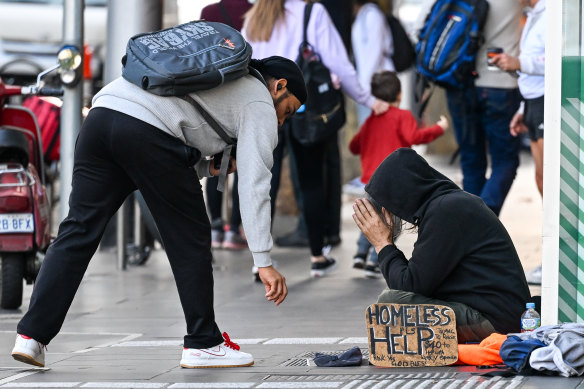
There are 11 participating councils in the Zero Project, an initiative aimed at ending homelessness.Credit: Joe Armao
Theresa refused to relinquish her dog, which brought its own stress. She sometimes had to leave her pet in the car while she ducked into the shops, and would return to find people surrounding her car, having reported the matter to police even though the dog was left with water and treats and the windows were rolled down.
“It’s a horrible feeling,” she said.
Mornington Community Support Centre chief executive Ben Smith said the proliferation of short-stay accommodation on the peninsula had reduced the number of long-term rental homes and drove up the cost of those remaining.
Even the cheapest rental property he had identified in Mornington cost about $450 a week.
‘This is an absolute crisis.’
Ben Smith, Mornington Community Support Centre“No one on a single income or a pension can afford that,” he said.
The summer holiday rush also puts pressure on the peninsula’s homeless community because it forces people into smaller areas.
Smith, who contested this year’s federal election as an independent, is calling for $600,000 in initial annual funding from the state government to employ three additional caseworkers across the peninsula.
He said rough sleeping should be considered an emergency – particularly after the recent spate of deaths in the area.
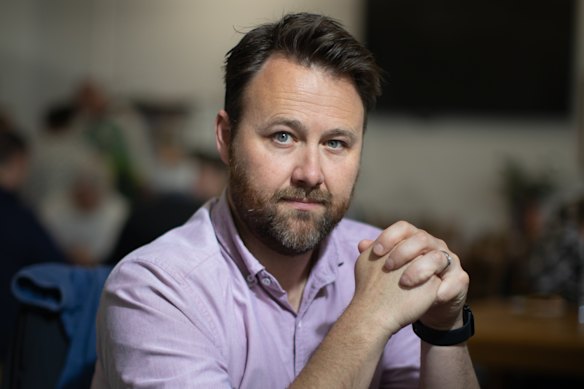
Mornington Community Support Centre chief executive Ben Smith.Credit: Simon Schluter
“This is an absolute crisis,” Smith said of the high numbers.
George Hatvani, the head of systems change and advocacy at Launch Housing, said people with chronic or persistent experiences of sleeping rough were dying up to 40 years earlier than people born at the same time.
He said the zero approach should be the standard for solving the problem.
“Ending homelessness starts with knowing people by name,” he said.
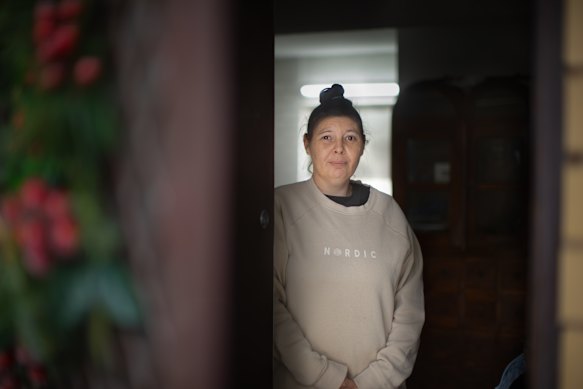
Theresa will soon get her own permanent home in community housing. Credit: Simon Schluter
The Victorian government confirmed it was investing $27 million for the Mornington Peninsula to build 69 new social and affordable homes, and a spokeswoman said the government was working closely with specialist agencies to support people experiencing or at risk of homelessness. She said the short stay levy was designed to encourage more home owners to make their holiday homes available for rent or sale.
After applying for hundreds of rentals, Theresa is now living in crisis accommodation but her future looks bright. She and her partner were approved for long-term community housing with the help of support workers, meaning no more rental applications or risk of evictions.
Now she is looking forward to hosting friends for dinner and seeing her partner’s children more often. Just the small things.
Start the day with a summary of the day’s most important and interesting stories, analysis and insights. Sign up for our Morning Edition newsletter.
Most Viewed in National
Loading