3 months ago
22
3 months ago
22
It was the spur of a new year that motivated 45-year-old Brisbane marketing officer Matt Granfield to book a routine health check last February.
“Since I was about 40, I’ve always gone and got an annual health check around then, which is after the silly season,” the father-of-two explains.
There was an added layer to his health vigilance: Granfield’s grandfather and father both had prostate cancer, increasing his risk of developing the disease.
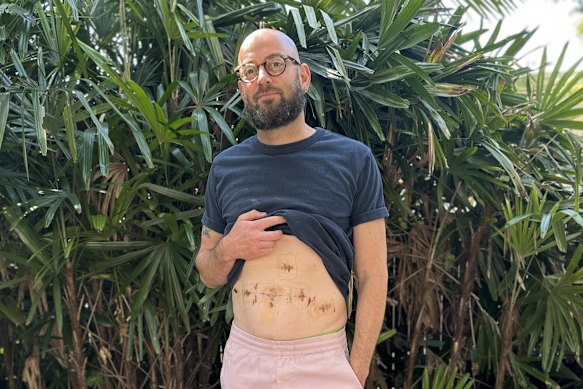
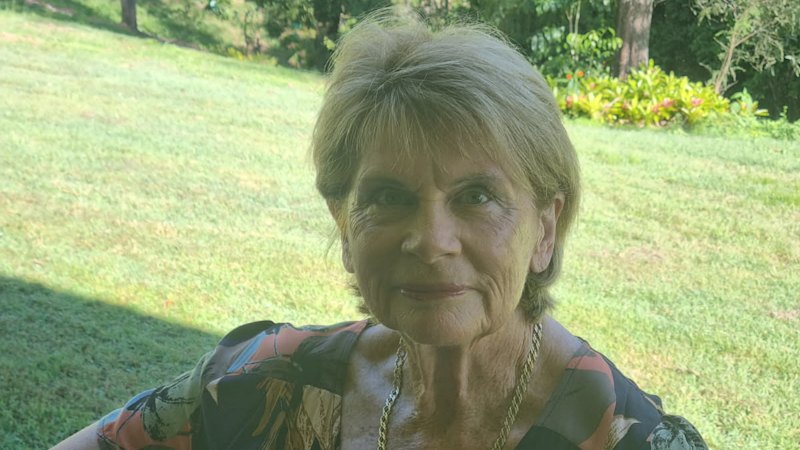
Forty-five-year-old Brisbane father-of-two Matt Granfield was diagnosed with prostate cancer in February 2025 after a routine blood test.
Still, Granfield was surprised, given his age and good health, to receive a positive diagnosis.
“When I had my health check in February, my PSA [Prostate-Specific Antigen test] level was quite high,” he says.
Loading
“The doctors weren’t initially too worried, they said ‘come back in three months’, [but] three months later it nearly doubled from about 2.8 to around 5.”
Further tests confirmed prostate cancer, fortunately caught before it had spread, and at a stage that responds effectively to treatment.
“I’m really lucky that I caught it early and should make a complete recovery, and not have it impact my life, unlike my dad who ... is still going back for radiation treatment,” Granfield says.
“If you don’t get it early, it just increases the risk of complications, things like erectile dysfunction [and trouble with] bladder control.”
The latest data from the Australian Institute of Health and Welfare (AIHW) estimated nearly 30,000 new prostate cancer diagnoses last year, with the disease accounting for 30 per cent of all new cancers in men nationwide.
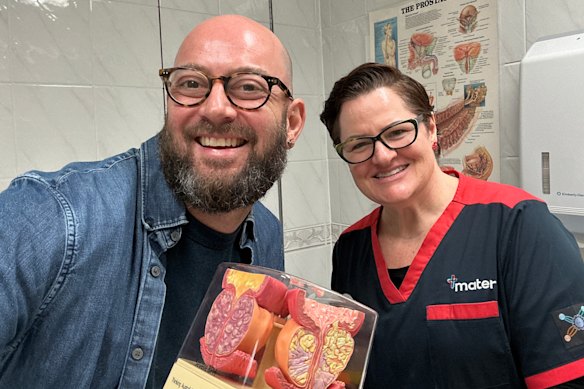
After being diagnosed and diving into cancer research, Matt Granfield has started writing a book on his experience.
The data also shows a rise in diagnoses among younger men aged 40-49, dispelling beliefs that prostate cancer is an “old man’s disease”.
Prostate Cancer Foundation of Australia chief executive Anne Savage says campaigning for early detection and encouraging younger men to get tested is a key focus of the new year.
“We really need a step change in the way we communicate with Australians about prostate cancer,” Savage says.
Loading
“We know that a lot has changed for women with the introduction of breast screening, not just clinically but culturally … we need to see the equivalent with prostate cancer because the alternatives are no longer acceptable.
“We can’t allow men to be presenting late with symptoms and getting a metastatic diagnosis and dying of a disease that is eminently treatable if detected early.”
While anyone born with a prostate gland can develop prostate cancer, factors such as age, genetics, ethnicity and family history can exacerbate risks.
Symptoms of the disease include difficulty urinating or increased frequency, blood in urine or semen, and pain in areas such as the groin, pelvis or lower back. But Savage stresses those at risk should not wait until symptoms appear.
“If prostate cancer is detected at stage one, your five-year relative survival rate is 100 per cent,” Savage says. “But once it’s detected at stage 3 or 4, survival rates drop quite significantly.”
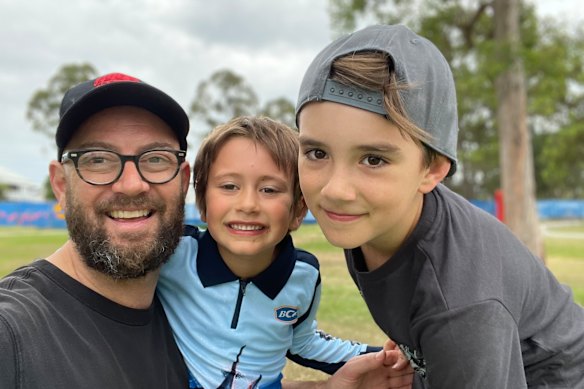
Matt Granfield with his two sons, aged 8 and 10.
Granfield’s prostate was removed in September last year. It took about three months to recover from the surgery, but recent post-operation results show his PSA levels are at 0, meaning the cancer is completely gone.
He’s not taking the prognosis for granted, understanding there are many things – his sex life, capacity to parent and ability to use his body – that could have been drastically affected, had the cancer not been caught when it was.
“Cancer’s scary, but catch it early, and it doesn’t need to be,” he says.
“I’ll always tell my children to go and get your health checked and make sure you’re on top of things.”
Start the day with a summary of the day’s most important and interesting stories, analysis and insights. Sign up for our Morning Edition newsletter.
Most Viewed in National
Loading