3 months ago
35
3 months ago
35
As the chief of Royal Life Saving, there are many things more important than my personal love of a great beach.
Things like the 50 per cent of kids who can’t swim to save themselves; the 500 local swimming pools at risk of closing without funding; or the 1300 per cent increase in drowning risk between the ages of 10 and 20.
But on reflection, my favourite beach and my job advocating for water safety, here and globally, do connect.
For generations of western Sydney teens a trip to the beach has been a rite of passage – the choice often depended more on transport routes than any feature.
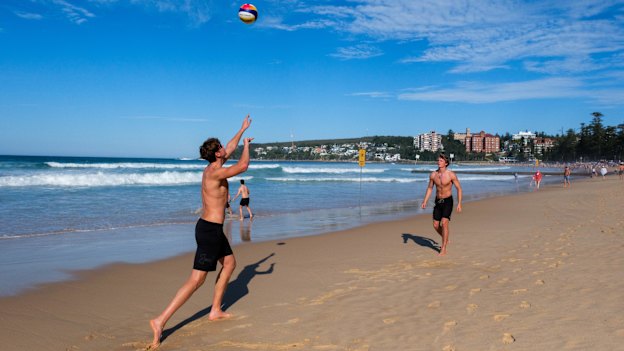
For me it was Manly, the long stretch from Cabbage Tree Bay to Queenscliff in Sydney.
When I was a kid my parents would bring me to Queenscliff, with its ocean pool, secret tunnel (wormhole) and the QBC (Queenscliff Boardriders Club) sign painted on the cliff, underlined with “locals only”.
We lived west of Parramatta, so it was a long trip. Excitement on the way there, then hot seats, sunburn and sand on the way home.
At about 13 years of age I returned almost weekly with a group of friends. We’d board the red rattler at Toongabbie at daybreak, timed so friends would join at the stations before Parramatta.
We’d pass Wentworthville Memorial Swimming Pool, with its warm, grassy hill, hot concrete and a deep end for bombs, amid the shouts of the on-duty lifeguard.
“Wenty” pool hosted our swimming lessons, the school carnival and, in high school, an annual dose of lifesaving called the Bronze Medallion. The Bronze was a survival swimming and lifesaving program run by the teachers.
I have fond memories of swimming in old tracksuits, diving for bricks and learning safe rescues. Sadly, this happens less frequently now: 40 per cent of 15-year-olds can’t swim 50 metres.
After an hour or so, the rattler would stop at Circular Quay. We had just enough time to buy breakfast – usually a sausage roll and a chocolate Moove – before boarding the Manly ferry.
Exiting the ferry, we held boogie boards and the occasional fibreglass surfboard. Our T-shirts and board shorts were plastered with the brands of the day, but we stood out.
The walk down the Corso was filled with excitement and some tension – mostly about waves and an occasional bit of local banter – “Westies, go home”.
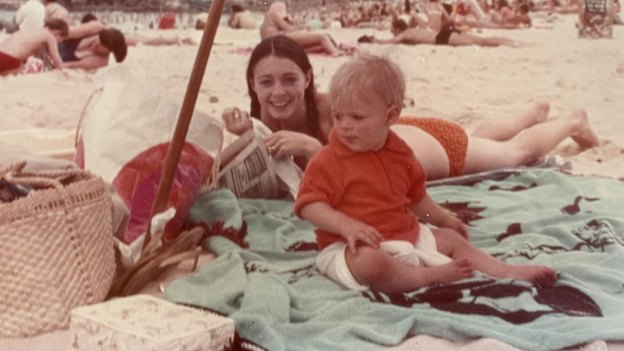
“Westie” was something I was comfortable with. I was raised on the hill at Lidcombe Oval, immersed in the tribal rugby league battle: Wests v Manly; the Fibros v the Silvertails.
When we found the sand, it was always north past the pipe, up towards the middle (North Steyne), against the wall, well away from the flags and the clubbies (lifesavers).
I’m sure we couldn’t spot a rip but it didn’t matter much. Our swimming and lifesaving classes, and the many days at Wenty pool, meant that when caught, we knew how to float and the skills to swim to safety.
Mostly we kept out of trouble, but rips and locals weren’t the main hazard; it was sunburn. We’d leave Manly all salty and bronzed. Two hours later we’d arrive back home, glowing red, and by Tuesday we were shedding skin. Lots of it.
As much as Sundays at Manly were great, when we all got licences the ferry was replaced by the long drive, usually landing off Warringah Road and into North Curl Curl.
I returned often, and several years later I met my wife while walking along the Manly promenade: a well-timed “oi tudo bem” – “hi, how are you” in her native tongue, Brazilian Portuguese – started a long walk to Shelly Beach.
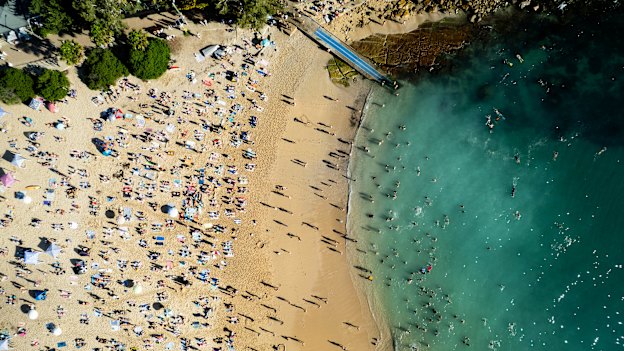
We settled locally and have now lived in the Manly area for more than 30 years. Still not locals, we spend most free days swimming, surfing or walking at the beach.
When our son was growing up we used the ocean pools, Manly pool and sometimes the calm of the harbourside, usually early or late in the day, away from the sun. When he was about five we started snorkelling in Cabbage Tree Bay, looking for Port Jackson sharks.
When he was a little older we practised all the risky things teenagers do: we jumped from the pier; swam in the wrong places; surfed waves that were too big; and chain-surfed at the ocean pool.
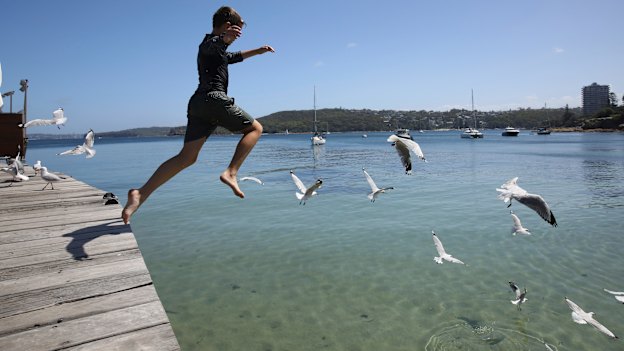
He called me the “fun police”. There were always a risk assessment and some cautious advice, preparing him for the times, the many times, when I wouldn’t be close.
My favourite beach has been in the news this week, for all the wrong reasons.
I feel desperately sad for Andre de Ruyter, the surfer who was attacked by a shark at North Steyne, and for Nico Antic, the 12-year boy attacked at Vaucluse.
The emergency services – lifeguards, lifesavers, police and paramedics – were all amazing.
I’m also reassured by the brave acts of the surfers, friends and strangers closest to Andre and Nico in those heartbreaking scenes.
Too often this summer, we’ve been reminded that in an emergency, the first minutes matter. It’s why generations of Australians have been taught swimming, lifesaving and first aid in schools.
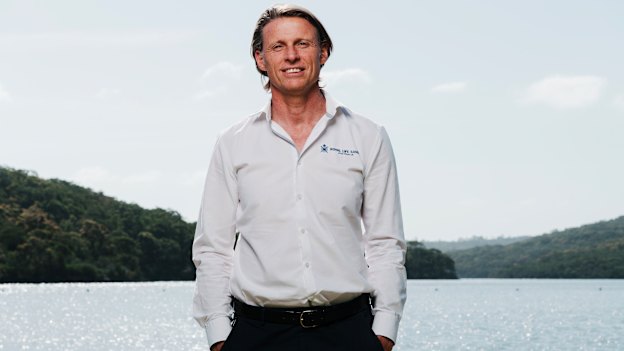
Dr Justin Scarr is the chief executive officer of the Royal Life Saving Society Australia, a non-profit organisation that works to prevent drowning through water safety education, training, research and advocacy.
Start the day with a summary of the day’s most important and interesting stories, analysis and insights. Sign up for our Morning Edition newsletter.