2 months ago
13
2 months ago
13
After Sunday’s devastating terror attack at Bondi Beach, it’s normal for anyone to feel anxiety and grief. For parents and carers, who are likely to be processing their own feelings about the tragedy, it can be difficult to know what to say to children, and how – or if at all – to answer questions they may have.
We spoke to experts about how families can cope.
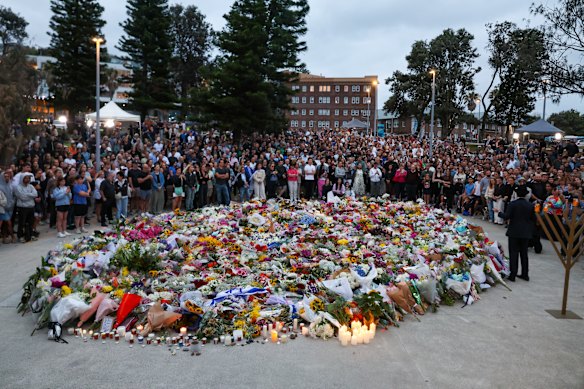
Mourners at a vigil at Bondi Pavilion on Monday.Credit: Edwina Pickles
Put your own ‘oxygen mask’ on first
Associate Professor Elizabeth Westrupp, a child clinical psychologist at Deakin University, says it’s critical parents take a moment to process their own emotions before talking to children.
“This may be parents or the adult taking a little bit of a break beforehand and really just calming themselves, doing some deep breathing or having a hug with your partner or friend. It’s the ‘put your own oxygen mask on first’ approach.”
Talking to children of different ages
Every child will process tragic events differently, says Westrupp, and it’s important to acknowledge there is no normal reaction.
“Some kids won’t be that emotional. They’ll just kind of be fascinated or interested. Other kids will be, and if they see emotion around, that might really affect them. And some kids might be really anxious about it too,” she says. “It’s just realising if they don’t express so much emotion, that doesn’t mean they haven’t thought about it. All reactions are totally fine and healthy.”
Associate Professor Katie Wood, a psychology expert at Swinburne University of Technology, says the key is “having conversations in a developmentally appropriate way.”
Loading
This means “pitching the language and explanations to what the child’s age would necessitate”, as well as “staying open and curious and taking the child’s lead, but also checking what the children already know, particularly if they’ve been at school today, to make sure there’s consistency in the messaging”.
The way parents choose to answer questions will depend on the individual child and family values, says Wood.
She recommends keeping conversations simple, holding them often and in small bites, rather than all in one go, as children’s attention spans can be short.
“There’s no right or wrong,” agrees Westrupp.
“But it’s not that helpful just to distress kids with events that they can’t possibly really understand at a young age, so it’s a balancing act. My rule of thumb is, if a child asks a question, then they’re old enough to know the answer,” she says, suggesting parents let children lead a discussion and ask the questions.
“But the way you answer is concrete and simple. You don’t want to add heaps of information or detail that’s sort of going beyond what the child had even thought of.”
It’s important to remember that parents themselves may not have all the answers, adds Wood.
“It’s incomprehensible to adults just as much as it is to children, so really normalising that,” she says. “We don’t need to answer every question that a child has, but we need to be open to listening to the questions.”
Emphasise safety, and stick to routines
Loading
It’s understandable that children may be anxious and fearful following a terror attack. They may say they never want to go to Bondi again or be fearful of going outside. They may also have heard that other children were injured, and be concerned about their own safety.
“We know around anxiety, it is important to really demonstrate that calm and safety,” says Westrupp. “Explain that these are really uncommon events. It does not happen very often,” she adds.
“The people that do these terrible things, they’re not well. It’s really important just to give kids a bit of a sense of why this happens.”
Maintaining a sense of routine and normalcy can be helpful to quell children’s anxiety, says Wood, although “it would be perfectly reasonable for parents to keep their children home and provide comfort, nurturing and support”.
Once back to a routine, she says, “one would expect that if adults, parents and carers provide safety, comfort and emotional support, most children will show what we call a natural bounce back. So they’ll harness their natural resilience, and they’ll bounce back.”
Still, parents should monitor for signs of persistent distress that may manifest as physical symptoms – like tummy aches, nausea and headaches – or through withdrawal or acting out, and seek professional support if needed.
Limit online exposure
In the aftermath of tragedy, it’s normal for social media feeds and TV screens to be flooded with footage of and commentary around the events. Wood suggests monitoring and restricting access to media, which can exacerbate stress and worry.
“When you’re seeing and hearing it all the time, it’s too much. For children’s brains, it’s really hard to filter out,” she says.
But for older primary school-aged children and teens, Westrupp says online content (in monitored doses) can be a useful springboard for conversation. “Having those discussions are so critical for development and they help the young person understand their world and their family values, and to critically analyse things.”
Talk about kindness and community
Your child may ask what they can do to help those affected. Wood says adults may want to consider donating to a GoFundMe with their child, or attending a fundraiser or community event to show support.
“When these events happen, it’s important for families to come back to the principles of kindness to oneself and others,” says Wood.
If you, your child, or anyone you know are struggling, here are some places you can find support:
Make the most of your health, relationships, fitness and nutrition with our Live Well newsletter. Get it in your inbox every Monday.
Most Viewed in Lifestyle
Loading