2 months ago
18
2 months ago
18
Not only is the content children consume addictive, it is also harmful. When researchers set up accounts posing as 13-year-olds in the UK, the US, Canada and Australia, they paused briefly on videos about mental health and “liked” them. Within 2.6 minutes, TikTok had recommended suicide content. Eating disorder content for girls. Misogynistic content for boys.
Loading
Social media companies point to internal “safety initiatives”. But these findings aren’t coincidental. Exploiting children’s vulnerabilities is simply the algorithms working as designed to maximise engagement and profit.
More than 90 per cent of schools in England now have policies restricting phone use, and most report improvements. Schools and parents do their best, but they’re up against billion-dollar algorithms designed to hijack attention. Teachers describe children who simply cannot function without devices in their hands.
Across the world the same story is unfolding and legislators are responding.
Australia’s new law forces tech companies to prevent under-16s from opening social media accounts, deactivate existing ones, and stop workarounds – or face hefty fines. Educational tools such as Google Classroom and games, including Minecraft, are unaffected.
Since 2023, France has required parental consent for children under 15 to access social media, and French President Emmanuel Macron is now considering an outright ban. A large majority of members of the European Parliament recently backed a resolution supporting a ban for under-16s.
Meanwhile, Denmark’s prime minister has pledged to ban social media for children under 15, saying: “We have unleashed a monster. Never before have so many children and young people suffered from anxiety and depression.”
None of these changes came without resistance. All have faced opposition, legal challenges and amplified screams about censorship. But the role of a government is to do the difficult work required to protect our children.
I’m a big proponent of technology. I believe it has the potential to improve our lives vastly, from healthcare and education to productivity and wellbeing. I am proud the Labour government is embracing this.
But successive administrations have done far too little to protect young people from the onslaught of addictive, unregulated feeds. They have stood by while children’s brains are rewired in ways we barely understand.
We’re told there isn’t enough data to prove certain causality. But what other credible explanation is there for the simultaneous explosion of youth mental health problems and social media addiction?
Centuries of psychological evidence tell us what children need to thrive: social connection, outdoor play, movement, creativity. Phones are cutting them off from all of it.
Young people themselves are asking for help. Nearly 90 per cent of 13 to 16-year-olds say they have tried to limit their smartphone use. They know it’s harming them.
Banning social media for under-16s is not part of some Luddite fantasy that would render kids ill-equipped for the modern world. It is a practical, evidence-based step to safeguard children’s mental health. It’s also popular.
Two-thirds of the British public think increased social media use is a key driver of rising youth mental health problems. Seventy-five per cent would support banning under-16s from social media.
Loading
We’ve regulated tobacco because it’s addictive and deadly. A recent law means today’s 15-year-olds will never be able to buy cigarettes in Britain. That’s good policy but, if I’m honest, if I had a teenager I’d rather they were addicted to smoking than scrolling. At least they’d be going outside.
Social media is robbing our children of the joy of being alive and the ability to learn and contribute. It’s time we stopped watching and started acting.
That’s why I’m calling on the government to follow Australia’s model and introduce a social media ban for under-16s.
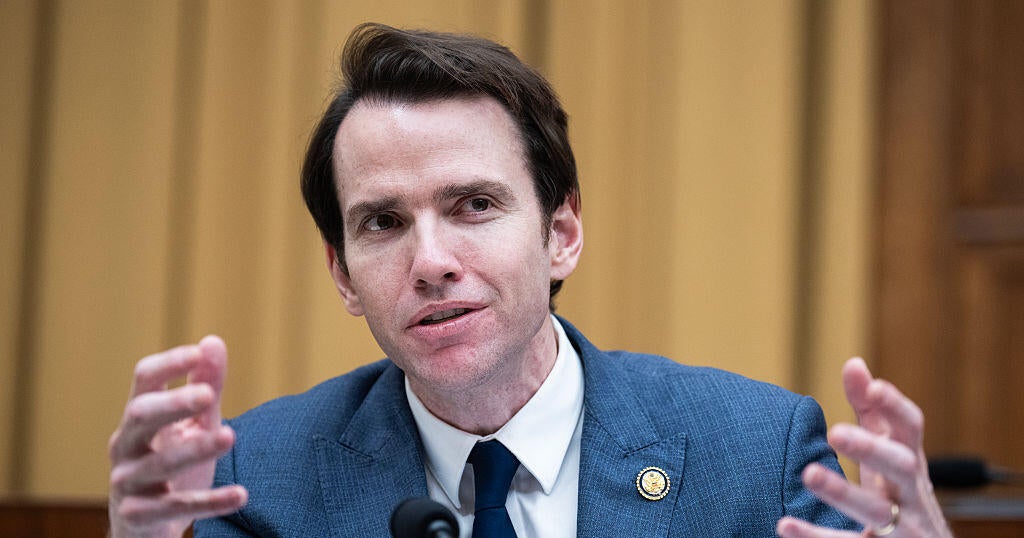
Fred Thomas is the British Labour MP for Plymouth Moor View.
Telegraph, London