3 months ago
28
3 months ago
28
Opinion
January 12, 2026 — 3.43pm
January 12, 2026 — 3.43pm
The merger talks between Rio Tinto and Glencore to create the world’s largest mega-miner underline a fascinating tale of two commodities. The most sought-after metal on the planet, copper, is driving this deal but the rehabilitation of coal’s image is an intriguing sidebar.
Make no mistake, the North Star guiding this potential corporate consolidation is the prospect of grabbing a bigger piece of copper, the future-facing commodity that is fundamental to electrification, artificial intelligence data centres and the global energy transition.
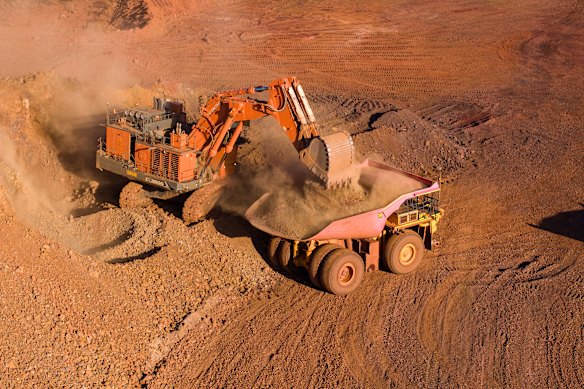
A Rio Tinto iron ore mine in Western Australia.Credit: Matt Jelonek
Copper craving was also behind BHP’s failed attempt last year to buy UK-based Anglo-American and also motivated the subsequent and successful merger of Anglo and Canadian mining giant Teck Resources.
This is also recognition that the golden era of iron ore – which has been turbocharged by decades of demand from China’s need for steel to fuel its construction binge – is giving way to copper as the fundamentally needed and sought-after commodity.
That said, it is the massive cash flow generated by Rio’s iron ore mines that will fund its push to buy or develop copper assets.
And while some may wistfully consider Rio Tinto an Australian company, the reality is that we will have even less claim to that title if this deal gets across the line.
Meanwhile, even two years ago, coal was the mining industry’s kryptonite – the dirty commodity cousin whose place in the energy mix was rapidly fading.
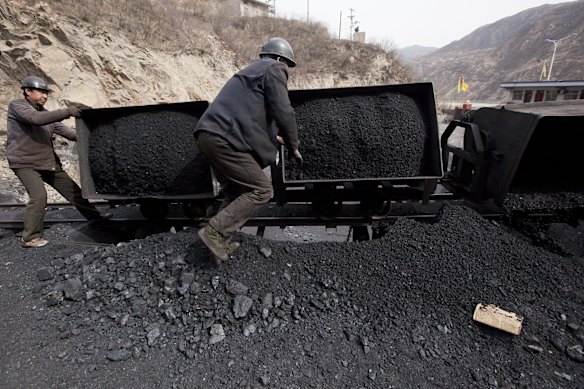
Suggestions that Rio and Glencore might retain the latter’s coal assets says plenty about how coal assets have received an application of lip gloss, partly thanks to the support from Donald Trump.Credit: Bloomberg
Rio had already divested its coal assets, as had many other companies with an eye on their environmental, social and governance credentials and in response to pressure placed on them by their large institutional shareholders.
Suggestions that a merged Rio and Glencore might retain the latter’s coal assets says plenty about how coal assets have received an application of lip gloss, partly thanks to the support from Donald Trump.
At the very least, the fossil fuel friendly US president has extended the use-by date by years. How many years is anyone’s guess.
The removal of subsidies for green technologies has been a significant part of shifting the electrification timeline as has the complexities and expense of making energy grids reliable and match fit.
But the transition to cleaner energy and the push towards net zero will continue - albeit with less commercial urgency.
However, Rio, which has previously held takeover talks with Glencore, is now under the control of a new chief executive Simon Trott, who isn’t allowing the grass to grow under his feet.
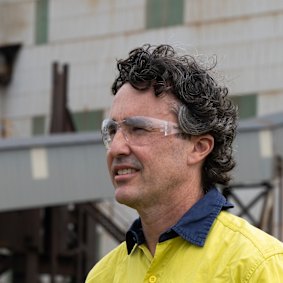
Having taken the job only six months ago Rio Tinto boss Simon Trott seems to be prepared to provide sufficient concessions to Glencore to progress merger talks.Credit: Louise Kennerley
He has already outlined his plans to increase production of the commodities inside the company’s portfolio and to cut costs.
Having taken the job only six months ago, Trott seems to be prepared to provide sufficient concessions to Glencore to progress discussions to a point that this deal appears to be friendly rather than contested.
He is willing to crash through with what will ultimately become a complicated takeover and probably an expensive one.
The two companies have yet to provide any indication of how much Rio is prepared to pay Glencore, but from the sidelines experts have suggested if Rio shares were used as currency, it could result in Glencore shareholders owning about 40 per cent of the merged entity.
Loading
That might seem like desperation, but it says everything about the relentless demand for copper and its eye-watering increase in price, with copper futures rising 37 per cent over the past year alone.
It also reflects the belief that finding and developing copper mines comes at a greater cost than buying established production.
From a shareholder perspective, this is a difficult deal on which to make an adjudication in large part because the price terms have not been announced.
We are also in the dark about whether assets will be divested, so the final shape of the merged entity remains shrouded in mystery.
And exactly which of the respective chief executives gets the top job – an issue that can derail even mega deals – isn’t clear either.
But despite the long list of obstacles, the odds appear to be in favour of the creation of a $US300 billion ($450 billion) company that will leapfrog BHP to become the world’s largest miner.
The Market Recap newsletter is a wrap of the day’s trading. Get it each weekday afternoon.
Most Viewed in Business
Loading