2 months ago
16
2 months ago
16
Opinion
December 14, 2025 — 3.00pm
December 14, 2025 — 3.00pm
When Australia’s social media ban for under 16s came into effect last Wednesday, I got a call from a friend back home asking me about it. It’s been all over the news back home, even amid everything else happening. It’s not just the New York Times – the local TV news in my US hometown, about a third the size of Geelong, was covering it.
It’s been a global headline. It was a major story on the BBC and CNN. Media organisations from Germany to Singapore were watching closely, asking if Australia was finally breaking Silicon Valley’s spell.
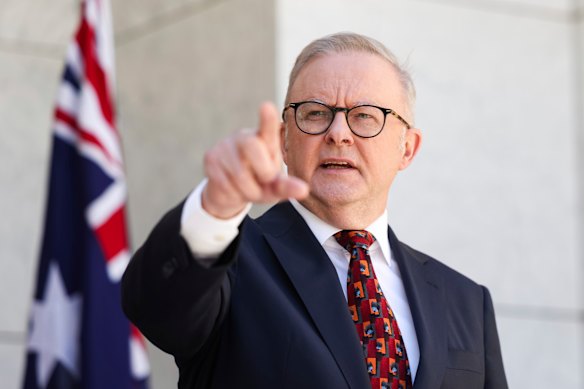
Anthony Albanese has taken on the big tech companies and the world is watching.Credit: Alex Ellinghausen
Australia has become the test case for reining in Big Tech – the first major democracy to force the platforms to change rather than wait for them to clean up their own mess.
Every big wave of social policy starts with a first mover. One country takes a bold step, then others slowly pile on until the idea becomes inevitable. We saw this happen in the mid-2010s with same-sex marriage. The Netherlands made the first move in 2001. Other countries watched to see how the world might shift, then Brazil, France, Uruguay, and New Zealand all legalised it in the span of a few weeks in 2013, kicking off a chain of dozens of countries doing the same in following years – Australia arriving late to the party in 2017.
This feels like a similar moment, except this time with Australia at the forefront.
Australians love to think of themselves as larrikins – the Ned Kelly of the popular imagination – and yet most will queue at a deserted pedestrian crossing and wait for the light to change before continuing on. This is a country of sometimes indecipherable rules and regulations, and a population that sees the value in it.
The key distinction between Australian and American democracy is that the construction of American democracy is to constrain power (perhaps this isn’t working well at the moment, but it was the original idea). Australian democracy is focused on social order and cohesion. To make a show of oneself here is often to invite ridicule.
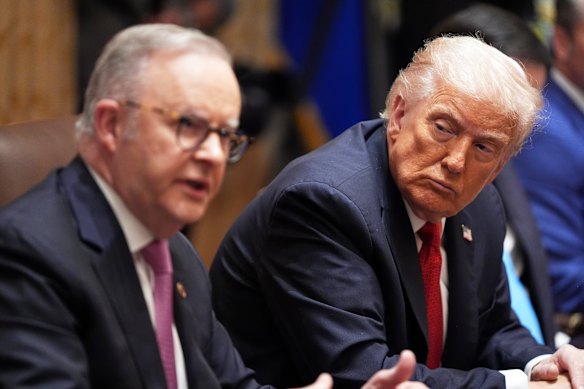
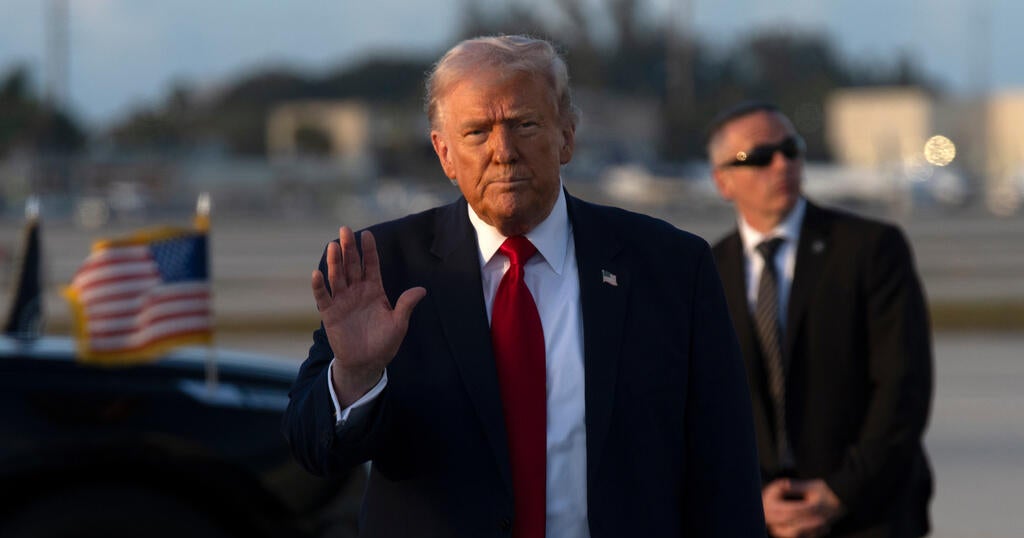
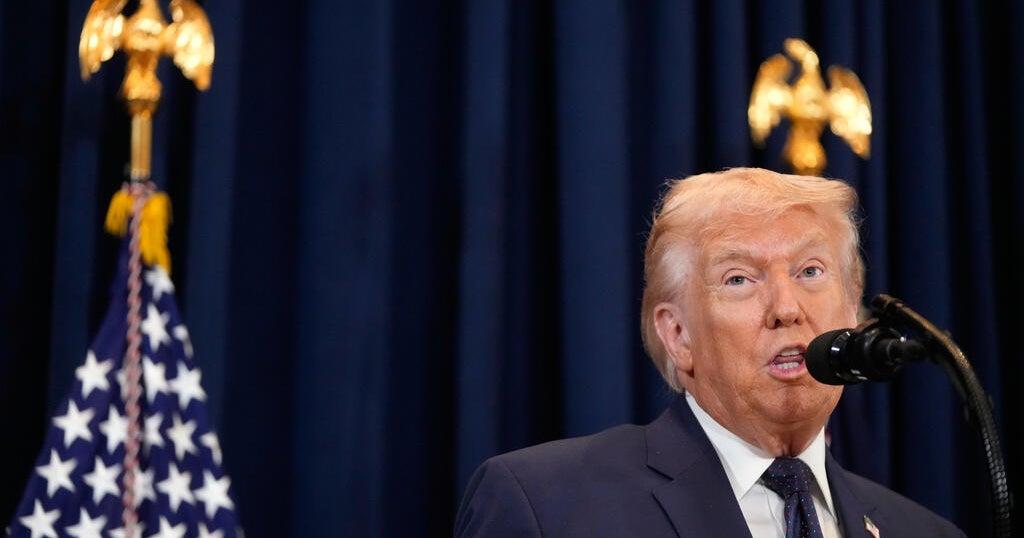
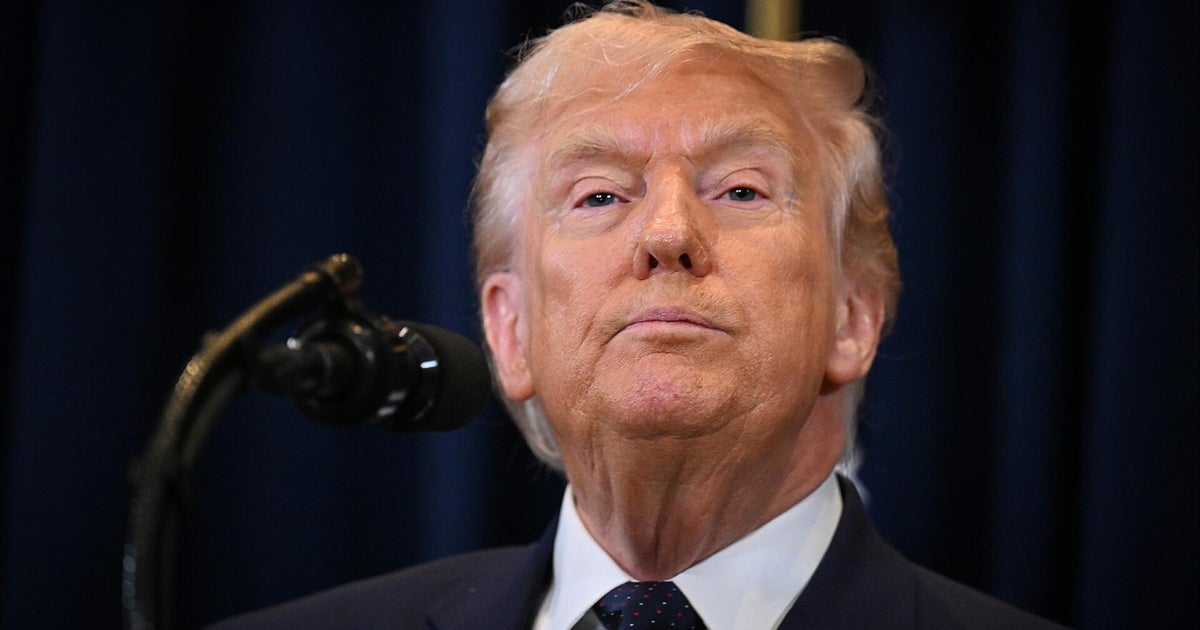
President Donald Trump has so far avoided any retaliation against Australia’s new social media laws.Credit: AP
Australia already punches above its weight on the global stage. It’s a wealthy, English-speaking country with an outsized media presence. What happens here reverberates around the world, though the tall poppy syndrome that has settled here often leaves Australians shy of that influence.
Because of that culture, and the easy transferral of laws between former British colonies, Australia has often found itself leading the world in regulatory innovation. Seatbelt requirements, cigarette warnings, bike helmets, food nutrition labels, the list goes on. Australia leads in these because of that political focus on social cohesion.
In this way, it makes sense that Australia has taken one of the first major steps to regulate and limit the role of social media companies in modern life.
Loading
The great hope over the past 20 years was that social media companies would police themselves. They paraded in Canberra and Brussels and Washington that they must be left to their own devices, that they knew best how to develop their own platforms in a way that benefited the greatest number.
Industries like these rarely, if ever, correct themselves. Left to their own devices, they will market vapes to children to grow their shareholder value and claim the bright colours and fruity flavours were only an accidental overlap with the same marketing psychology tricks that the producers of Bluey use. One of the great roles of government is to protect consumers, to guide private sector development in a way that doesn’t destroy public trust.
Australia is leading on this social media ban exactly because there is a general acceptance here that this is one of the primary functions of government.
More than a dozen other countries, along with the EU, are openly musing about a similar effort to rein in the excesses of the tech giants. Denmark has already announced a similar under-16 ban, though they are grappling with similar questions of enforcement that continue to wrack Australia. Only the coming years will tell how far these efforts will go.
Loading
And yet this issue seems poised to break like a wave across much of the world, with governments in Malaysia and Norway opening debate for these measures in 2026. All of these countries are looking to Australia, as a model for how to govern in a complicated world but also to see how citizens react to these new rules.
A measure like this will almost certainly not happen in the United States while Donald Trump and JD Vance hold power. The CEOs of these companies who have fought tooth and nail against this ban in Australia were all sitting in the front row of their inauguration. They continue to give generously to Trump’s pet projects, including his new White House ballroom that reeks of this administration’s gaudy dictatorial aesthetics.
While these social media platforms are wildly popular in terms of their use, they aren’t trusted. Most of us carry a sense that our lives are being dominated by large, unaccountable corporations far away from our understanding or oversight. We may disagree on the exact mechanism, but there is a genuine hunger for someone to do something about this feeling of modernity sinking into a distracted hellscape.
Countries are going to continue looking at how this rolls out in Australia. There are big questions about surveillance and workarounds where young people end up on alternate sites – and how the regulation will extend to those newly emergent platforms. Because this law relies on AI inference rather than paperwork, this policy experiment may become a template for how governments can govern in a reality shaped by AI rather than ignoring it.
Loading
Australia has called the bluff of these companies. Silicon Valley has thus far resisted regulation on the argument that they have become too integral to the fabric of society that they can no longer be rolled back. And yet, despite deploying The Wiggles as erstwhile lobbyists, this law is now in place.
Much of the world has been itching to put some kind of control on these companies. Perhaps we all needed a rule obsessed country to take the first step, one with a dorky prime minister whose historically large victory in May has made him immune to much of the anxiety that would terrify less robust governments.
For now, Australia has forced Silicon Valley to bend.
Cory Alpert is a PhD researcher at the University of Melbourne looking at the impact of AI on democracy. He previously served the Biden-Harris Administration for three years.
The Opinion newsletter is a weekly wrap of views that will challenge, champion and inform your own. Sign up here.
Most Viewed in National
Loading