2 months ago
16
2 months ago
16
The reason Healthscope, its 19,000 staff and dozens of hospitals across the country are in this mess is precisely because its former private equity owners – the $US2 trillion Canadian group Brookfield – couldn’t make a buck from the business and walked away.
It was an easier option than dealing with the extravagant rent agreements Brookfield had agreed to, the massive debt load needed to finance the deal, and a post-pandemic world that quickly shredded the Canadian group’s business plan.
Walking away from a private hospital sector that provides about 70 per cent of elective surgeries in Australia – taking immense pressure off state and federal governments in the process – is not a great way to win friends here.
These governments will be on tenterhooks again. The receivers’ job is to maximise returns for lenders, not taxpayers who will foot the bill if less viable hospitals are left stranded by the wheeling and dealing that has ensured plenty of work for various investment bankers.
But getting back to Healthscope’s current predicament. This week could have been much worse for La Spina.
In what may have been a decisive call about the future of Australia’s second-largest private hospital operator, the receivers from McGrathNicol rejected a significant deal this week that would have unravelled the group.
Canada’s Northwest Healthcare proposed to carve off the 12 hospitals – where it acts as landlord – in a deal with not-for-profit Calvary for about $140 million.
The two suitors insist they are “still at the table” following the rejected deal, but the receivers, acting on behalf of lenders owed about $1.7 billion, have already turned their attention to the five hospital deals that could determine the fate of the entire Healthscope group before Christmas.
Healthscope is already picking up $190 million from the demise of its scandal-prone role running Sydney’s Northern Beaches Hospital.
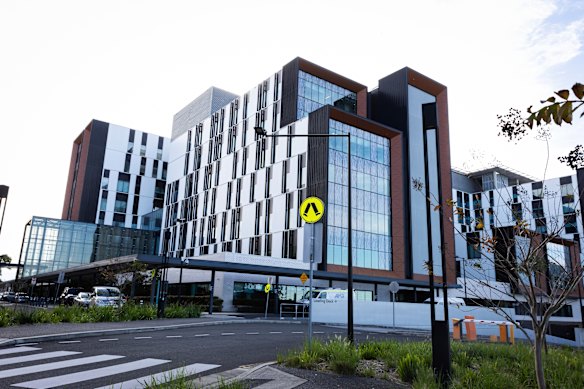
Healthscope’s controversial private-public partnership at the Northern Beaches Hospital ended this year with a $190 million payment from the NSW government.Credit: Renee Nowytarger
The extra hundreds of millions of dollars that could be delivered from the sales would break the back of the massive $1.7 billion debt owed to lenders such as the Commonwealth Bank and opportunistic debt funders such as Polus Capital and Canyon Partners.
Polus and Canyon picked up one-third of Healthscope’s loans at less than half price as some of the original lenders sold out of the failed hospital operator this year. They stand to make a killing from the financial chaos.
Refinanced debt will solve one of the big headaches for Healthscope’s viability, but another will remain: Unsustainable rents.
The 23 hospitals with private landlords top the list of centres struggling to remain financially viable. The good news on this front is that the two landlords, Northwest and HMC’s Healthco, also appear to be amenable to deals.
Healthco – backed by rich lister David Di Pilla – acquired 11 of the Healthscope hospital properties in 2022 for $1.2 billion.
It says it has entered into conditional agreements with alternative tenants for all 11 of the hospitals it owns, which include “detailed commercial terms which are acceptable to the landlords”. It contains the implicit promise that this deal involves a rent cut.
Loading
Northwest’s agreement with Calvary is also understood to include significant concessions to the current rent deal that Brookfield agreed to at a time when the outlook for Australia’s private hospital sector was vastly different to what it is now.
Healthscope’s conversion to a not-for-profit under La Spina’s proposal would also lower costs by losing its payroll tax bill – reportedly saving the group $100 million a year.
Healthscope insiders also pointed to advantages enjoyed by not-for-profits when it comes to fringe benefits tax (FBT), which means it could offer salary packaging to the 19,000 staff that would help with retention and keep a lid on salary expenses.
Staff have already agreed to a deal that would deliver most of the benefits from this salary packaging to the company in the short term to help it stabilise itself financially.
These employees will be watching developments closely in the lead-up to Christmas to see if the sacrifice will pay off.
The Business Briefing newsletter delivers major stories, exclusive coverage and expert opinion. Sign up to get it every weekday morning.